80%
Improvement in Data Statistics Efficiency
200+
Custom Apps Built by Citizen Developers
$1,500,000+
Cost Saved Annually
In the hyper-competitive global solar industry, the race to innovate is relentless. Risen Energy, founded in 1986, is a global manufacturer of solar products. With over 15,000 employees, a staggering 2023 revenue of over $35 billion, and a global footprint spanning from Germany to Australia and the Americas, serving a global network of over 15,000 customers, Risen is a powerhouse in the world of renewable energy. As the business scaled, the team needed faster, more connected operations to keep up with a highly competitive market.

The company’s core business is the R&D, production, and sale of solar modules, but its reach extends across the entire photovoltaic (PV) value chain, from manufacturing to operating large-scale solar farms. In an industry where technology and product cycles move fast, operational agility is a competitive advantage—especially across manufacturing, supply chain, and service.
Risen was an early adopter of information technology, implementing a suite of sophisticated systems like ERP (Enterprise Resource Planning) and MES (Manufacturing Execution System) to manage its complex operations. But as the company grew and the market became even more demanding, they found themselves facing a familiar problem: their technology was holding them back. Their systems were disconnected, their data was siloed, and their processes were bogged down by manual work and information delays.
This is the story of how Risen Energy drove a company-wide shift by enabling business teams to build and improve internal tools with a no-code approach. They didn’t launch a massive, top-down IT overhaul. Instead, they empowered their own employees—the people who knew the business best—to become “citizen developers.” Using a no-code platform, they built a suite of custom applications that have transformed their business, saving millions of dollars, streamlining operations, and creating a new culture of data-driven decision-making.
The Challenge: Seven Hurdles on the Path to Digital Transformation
Risen’s leadership team identified seven critical challenges that were creating friction, driving up costs, and slowing down their ability to compete.
The “Information Silo” Dilemma
Risen’s early investment in IT had created a collection of powerful but disconnected systems. Different departments used different metrics and statistical dimensions, leading to inconsistent data reports.
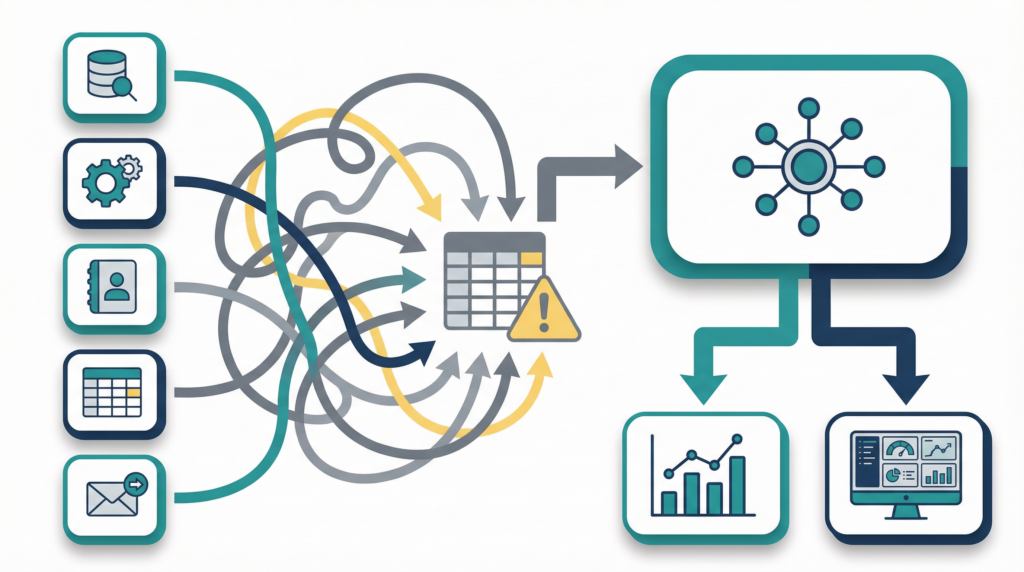
Data was trapped in “information silos,” making it incredibly difficult to get a single, unified view of the business. This forced leadership to spend valuable time in endless data verification and internal friction, significantly impacting the speed and quality of decision-making. The information management department was struggling to connect the dots between the different ERPs and MESs from various vendors.
The Quest for Maximum Efficiency
With a large fleet of high-value equipment, improving asset utilization and reducing downtime became a top priority. But their traditional management methods made it impossible to collect and analyze equipment data in real time. They couldn’t quickly respond to maintenance needs, and they were missing opportunities to optimize the performance of their most valuable assets.

The High Cost and Slow Pace of Traditional Software
When they needed a new solution, the options were grim. Buying a new off-the-shelf software package was expensive, and custom development was even more so. Beyond the high price tag, the procurement and development cycles were painfully long, taking months or even years to get a new solution in place.
The Lagging Data Problem
In the fast-paced solar industry, real-time data is not a luxury; it’s a necessity. But at Risen, data was often out of date by the time it reached the people who needed it. It was impossible to know the real-time status of any given process without a special investigation, which meant that decisions were often based on an old, inaccurate picture of reality.
The Mobile Disconnect
While their existing systems had approval workflows, they were designed for a desktop world. Leaders and managers, who were often away from their desks, couldn’t easily access the system to approve tasks. This created bottlenecks and slowed down the entire business.
A Digital Adoption Gap
Many teams relied heavily on spreadsheet-based routines built over time. Without lightweight tools and clear standards, consistent adoption and data quality were difficult to sustain.
The High Cost of Trial and Error
Modifying their existing ERP systems was difficult and expensive. The high cost of trial and error made it risky to experiment with new ideas or to try to improve existing processes. The company was stuck in a state of “analysis paralysis,” unable to move forward for fear of making a costly mistake.
The Solution: A Citizen-Led Revolution, Powered by No-Code
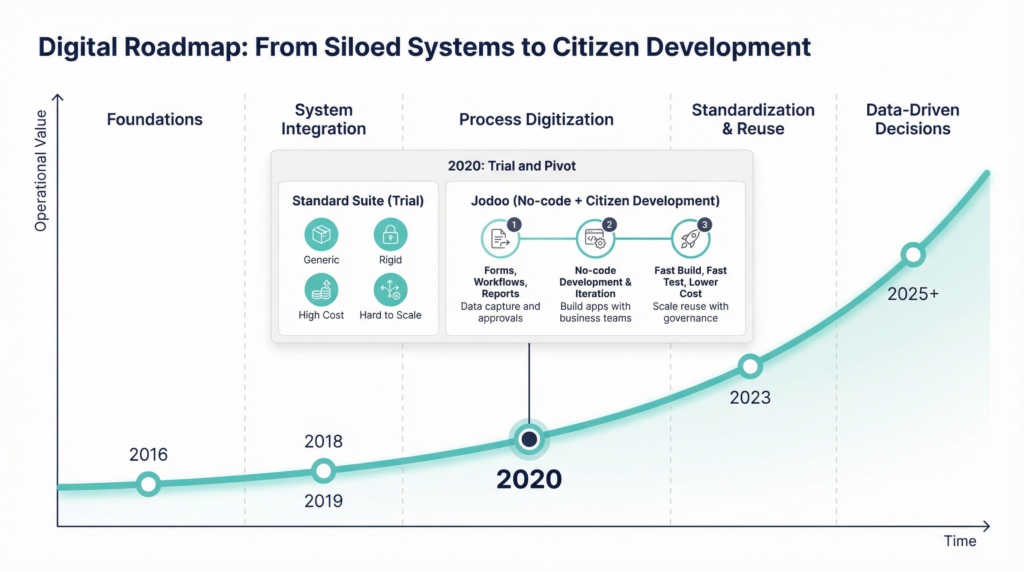
Instead of launching another massive, top-down IT project, Risen took a radically different approach. They decided to empower their own people, turning business experts into citizen developers. They chose Jodoo, a no-code platform, as their weapon of choice and began a grassroots digital revolution that would spread throughout the entire company.
The Strategy: Start Small, Prove the Value, and Scale Fast
The IT team knew that forcing a new tool on the business would be met with resistance. So, they started with a small, strategic experiment. They gave Jodoo to the clerks in the information center—employees with no professional coding skills. These clerks started by building simple forms and workflows to collect information from other departments.
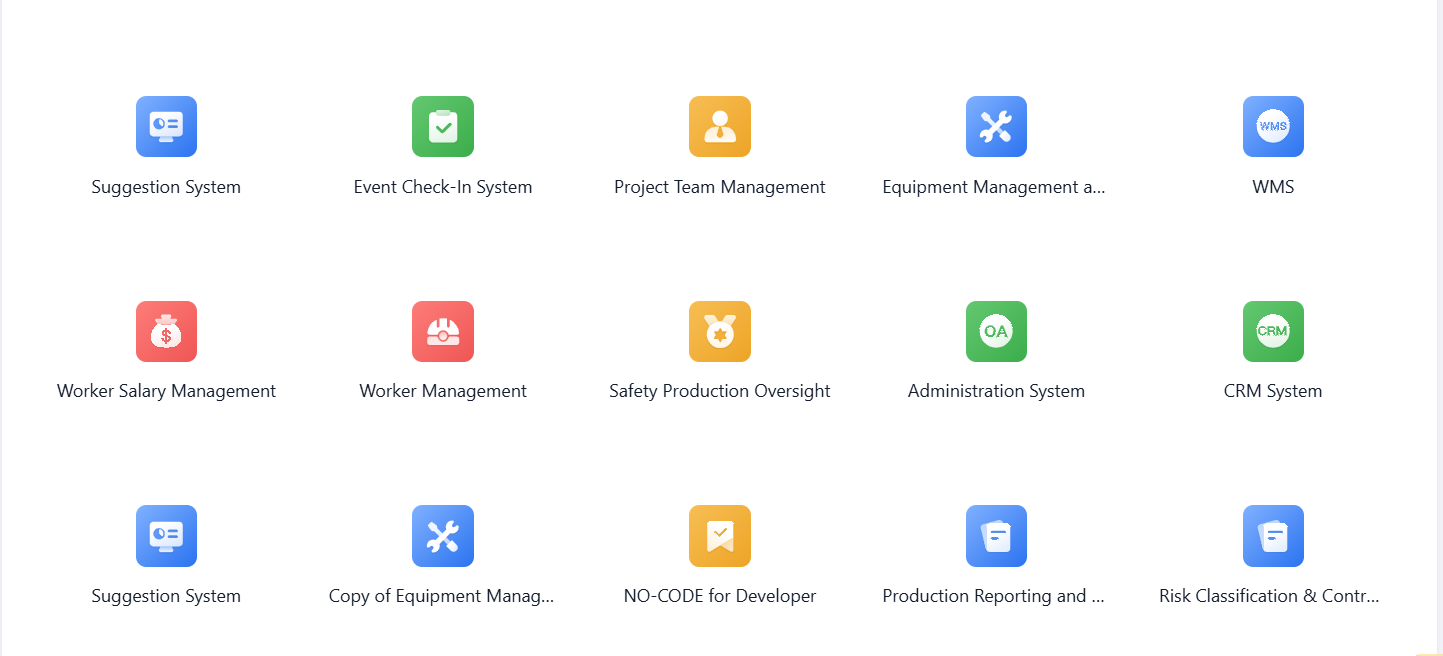
The results were immediate and undeniable. The business departments saw that the clerks’ work efficiency had skyrocketed. Reports that used to take days to compile were now being generated in hours. The success of this small experiment created a buzz, and soon, other departments were clamoring to get their hands on the new tool. The HR department and a group of management trainees were next, and the movement began to spread like wildfire.
The Core Solutions: Tackling the Biggest Problems First
With their army of newly minted citizen developers, Risen began to systematically tackle their biggest challenges, building a suite of over 200 custom applications. Here are a few of the most impactful solutions:
The Smart Equipment Maintenance System
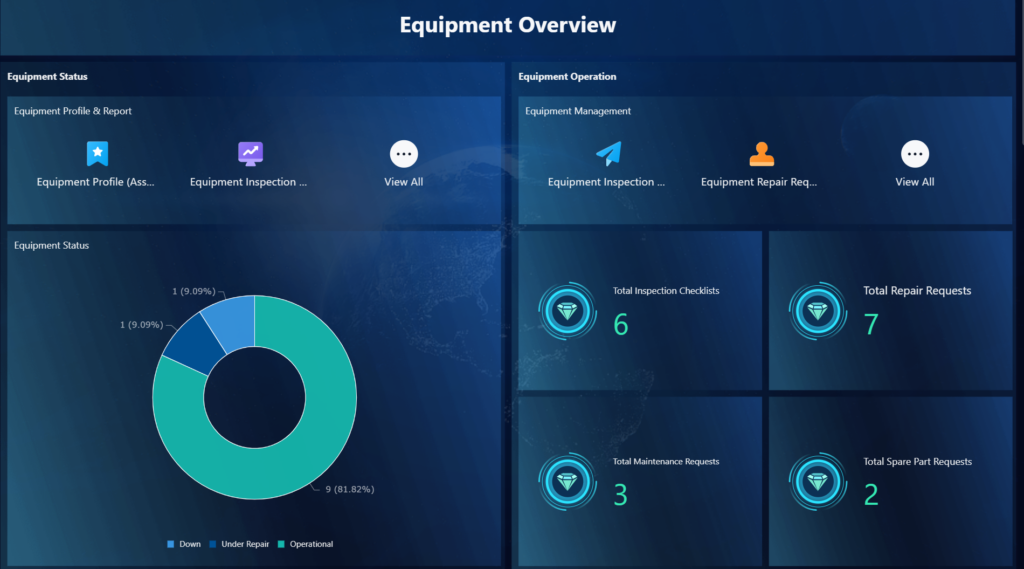
To solve their equipment management nightmare, the team built a brilliant and simple solution. They placed a unique QR code on every single piece of equipment. When a machine breaks down, any employee on the factory floor can simply scan the code with their phone( using the mobile collaboration app already used on the shop floor, integrated with Jodoo) and instantly report the problem.
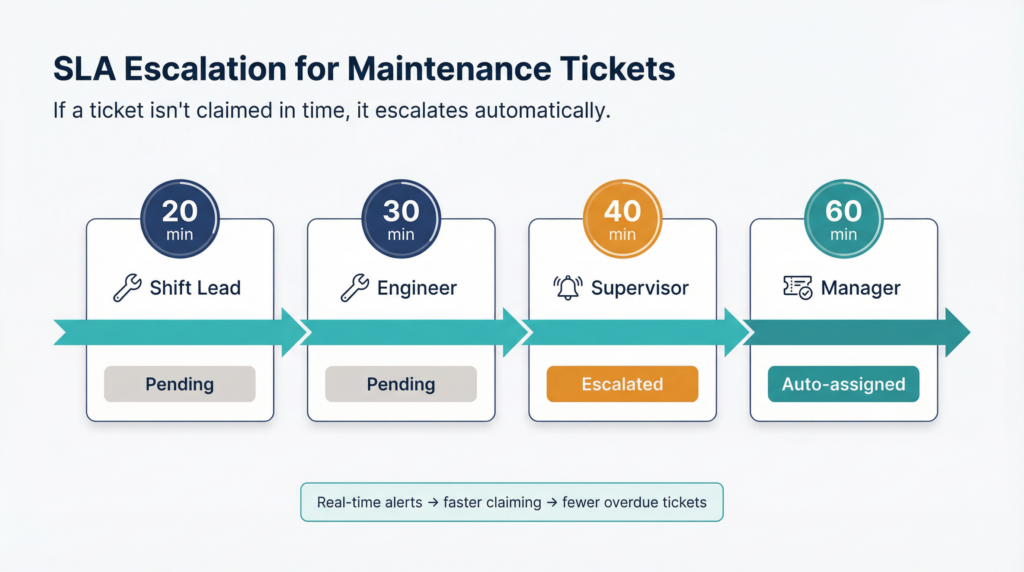
- Real-Time Alerts & “Order Grabbing”: The report triggers a real-time notification in a dedicated chat group for the maintenance team. The first available technician can “grab” the repair order. If no one grabs it within five minutes, the system automatically assigns it to someone. This gamified approach has dramatically improved response times.
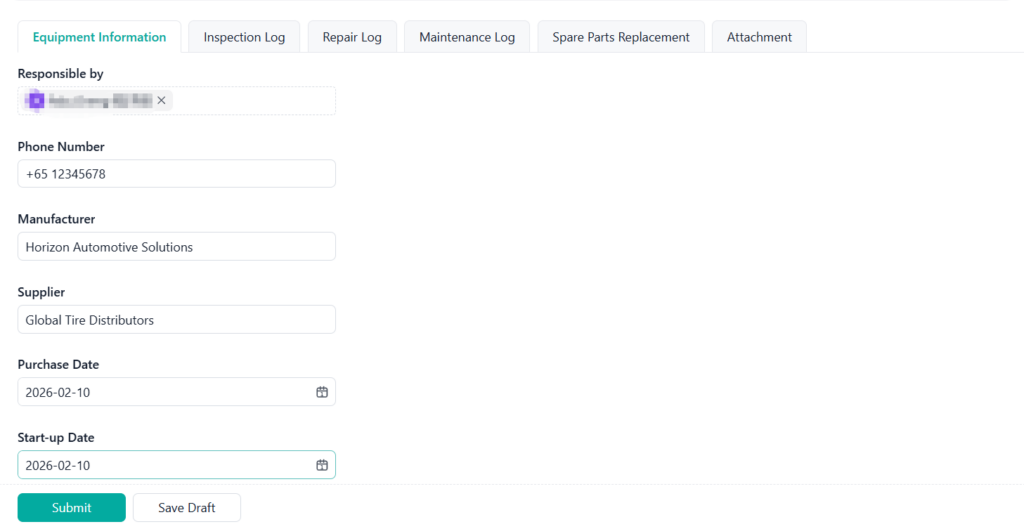
- Data-Driven Purchasing: The system logs every single repair, creating a rich history for each piece of equipment. This allows the company to analyze which machines are the most reliable and which ones are constantly breaking down. This data now provides invaluable guidance for future purchasing decisions.
The Streamlined Customer Complaint System
Customer complaints were previously handled with a messy combination of Word documents and Excel spreadsheets, leading to lost information and slow response times. The team replaced this with a sleek Jodoo workflow.
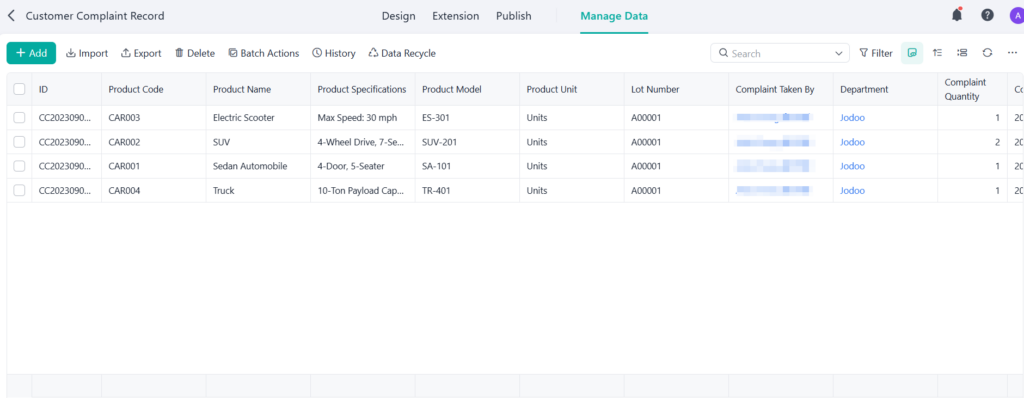
Now, when a complaint comes in, it’s logged in the system, and the workflow automatically routes it to the correct department. The system tracks the entire process, sending reminders to ensure that nothing falls through the cracks. After the issue is resolved, it even sends a satisfaction survey to the customer. The result is a faster, more transparent, and more customer-centric process.
The Unified Data Center
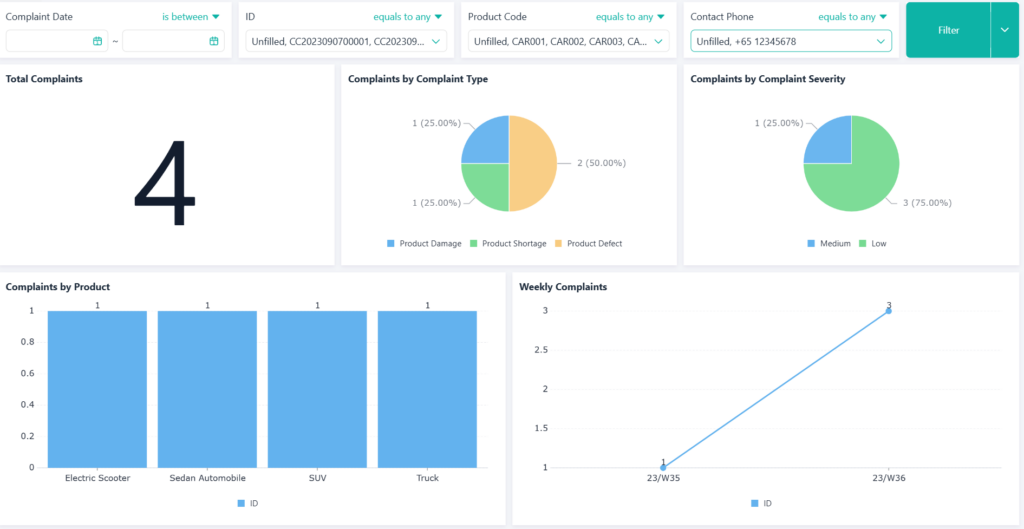
To break down the information silos, Risen used Jodoo as the central hub for data collection. They then integrated it with their other business intelligence tools to create a powerful, unified data center. This allows them to pull data from all their different systems, clean it, analyze it, and present it in easy-to-understand dashboards. For the first time, leaders had a near real-time view of key operational metrics across teams, using consistent definitions and shared dashboards.

The Results: A Digital Transformation That Paid for Itself
The impact of Risen’s citizen-led digital revolution has been nothing short of transformative. By empowering their employees to solve their own problems, they have unlocked a wave of innovation and efficiency that has touched every corner of the business. The numbers tell a powerful story.
| Key Performance Indicator | Before Jodoo | After Jodoo |
|---|---|---|
| Annual Total Cost Savings | N/A | Over $1.5 million annually |
| Application Development | N/A | 200+ custom apps built by citizen developers |
| Equipment Maintenance | Manual, slow, reactive | Real-time, automated, proactive |
| Supply Chain Efficiency | N/A | 30%+ improvement |
| Repetitive Statistical Work | High | 50%+ reduction |
| Business Analysis Manpower | High | 50% reduction |
| Data Statistics Efficiency | Low | 80% improvement |
| Manual Data Entry | High | Reduced to 1/4 of previous levels |
A Return on Investment That’s Off the Charts
While the exact financial impact is hard to quantify, the company estimates that the new solutions are saving them over $1.5 million a year. This comes from a combination of factors:
- Reduced Labor Costs: The automation of manual tasks has freed up thousands of hours of employee time, allowing them to focus on more valuable work.
- Lower IT Spending: By building their own applications, they have avoided the high cost of buying and customizing off-the-shelf software.
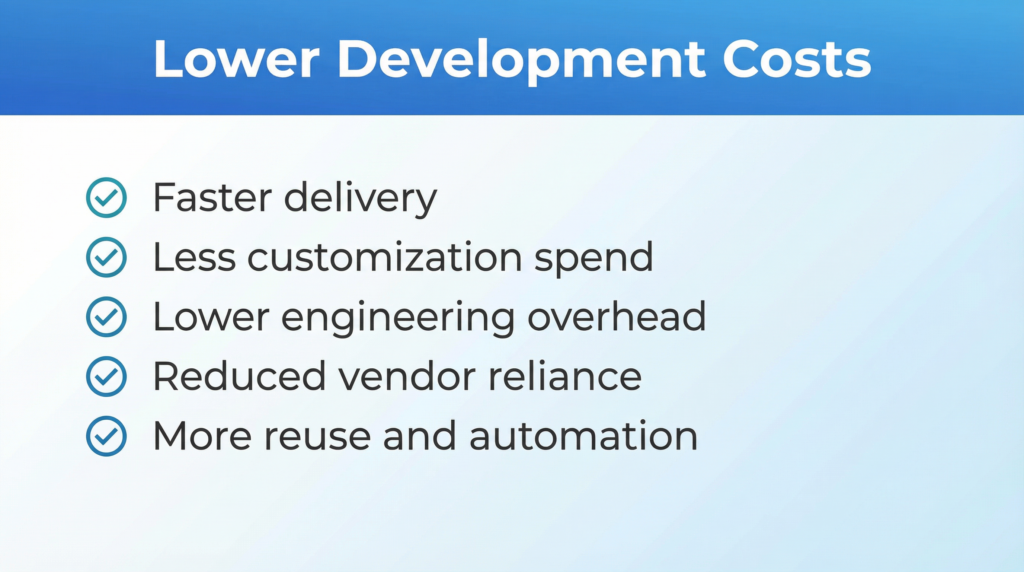
- Improved Operational Efficiency: The real-time data and streamlined workflows have led to significant improvements in everything from production planning to customer service.
A New Culture of Innovation and Empowerment
Beyond the hard numbers, the most profound change at Risen has been the cultural shift. The company has moved from a top-down, command-and-control approach to IT to a bottom-up, grassroots movement of innovation.
Employees are no longer passive users of technology; they are active creators. They are empowered to identify problems, design solutions, and build the tools they need to do their jobs better. This has created a new sense of ownership and engagement, and it has unleashed a torrent of creativity and new ideas.
Future Outlook: From Data to Decisions, and Beyond
Risen is currently in the second phase of its three-phase digital transformation journey. They have successfully built a solid foundation of data collection and process automation. Now, they are moving into the third and most exciting phase: turning data into a true strategic asset.
“In the future, we hope to make data a productive force,” says CIO Wu Xuegang. “We will invest more energy in utilizing the data obtained from various systems to guide daily business execution and operational decision-making.”
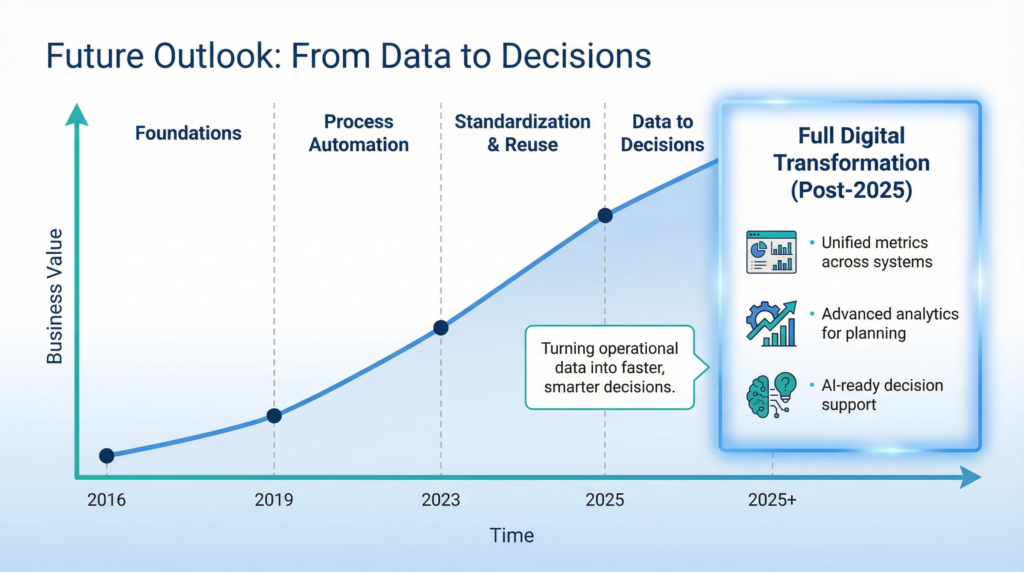
The vision is to create an intelligent enterprise where data is not just used to report on what has happened in the past, but to predict what will happen in the future. They want to use advanced analytics and AI to optimize everything from production schedules to supply chain logistics, and to give their leaders the insights they need to make smarter, faster decisions.
The story of Risen Energy is a powerful example of what is possible when a company dares to think differently about technology. It’s a story of how a simple, powerful idea—that the people closest to the work are the best equipped to improve it—can spark a revolution. And it’s a story that is still being written, as Risen continues to push the boundaries of what is possible in the race for a brighter, more sustainable future.
Ready to spark your own digital revolution?