Nach Kategorien durchsuchen

Einleitung: Was bedeutet EHS in der Fertigung?
Eine einzige meldepflichtige Verletzung, ein Chemikalienaustritt oder eine versäumte Genehmigungsaufgabe können weit mehr als eine Schicht beeinträchtigen. Laut ILO verursachen Arbeitsunfälle und arbeitsbedingte Krankheiten jährlich fast 3 Millionen Todesfälle weltweit., Dies zeigt, warum Hersteller EHS nicht nur als reine Bürokratie betrachten können. In der Fertigung, Umwelt, Gesundheit und Sicherheit (EHS) bezeichnet die Systeme, Verantwortlichkeiten und täglichen Kontrollen, die zum Schutz der Mitarbeiter, zur Aufrechterhaltung sicherer Anlagen und Prozesse sowie zur Reduzierung von Umweltschäden eingesetzt werden.
Für EHS-Manager und Werksleiter ist EHS sowohl eine Pflicht zur Einhaltung von Vorschriften als auch eine operative Disziplin. Es umfasst den Umgang mit Abfällen, die Gefahrenerkennung, die Meldung von Vorfällen, den Abschluss von Korrekturmaßnahmen und die Maßnahmen zur Verhinderung zukünftiger Störungen, bevor diese Auswirkungen auf Mitarbeiter oder Produktion haben. Schwächen im EHS-Bereich bergen nicht nur ein erhöhtes Auditrisiko, sondern können auch zu Produktionsausfällen, beschädigten Anlagen, einem Vertrauensverlust bei den Kunden und vermeidbaren Störungen in allen Schichten und Abteilungen führen.
Dieser Leitfaden erklärt das Thema praxisnah für die Fertigung. Sie erfahren mehr über die drei Säulen von EHS (Umwelt, Gesundheit und Sicherheit), die häufigsten Umsetzungslücken in der Produktion, die wichtigsten Schritte zum Aufbau eines EHS-Programms und wie digitale Arbeitsabläufe schnellere Berichterstattung, effektivere Nachverfolgung und bessere Transparenz ermöglichen.
Die drei Säulen Umwelt, Gesundheit und Sicherheit in der Werkstatt
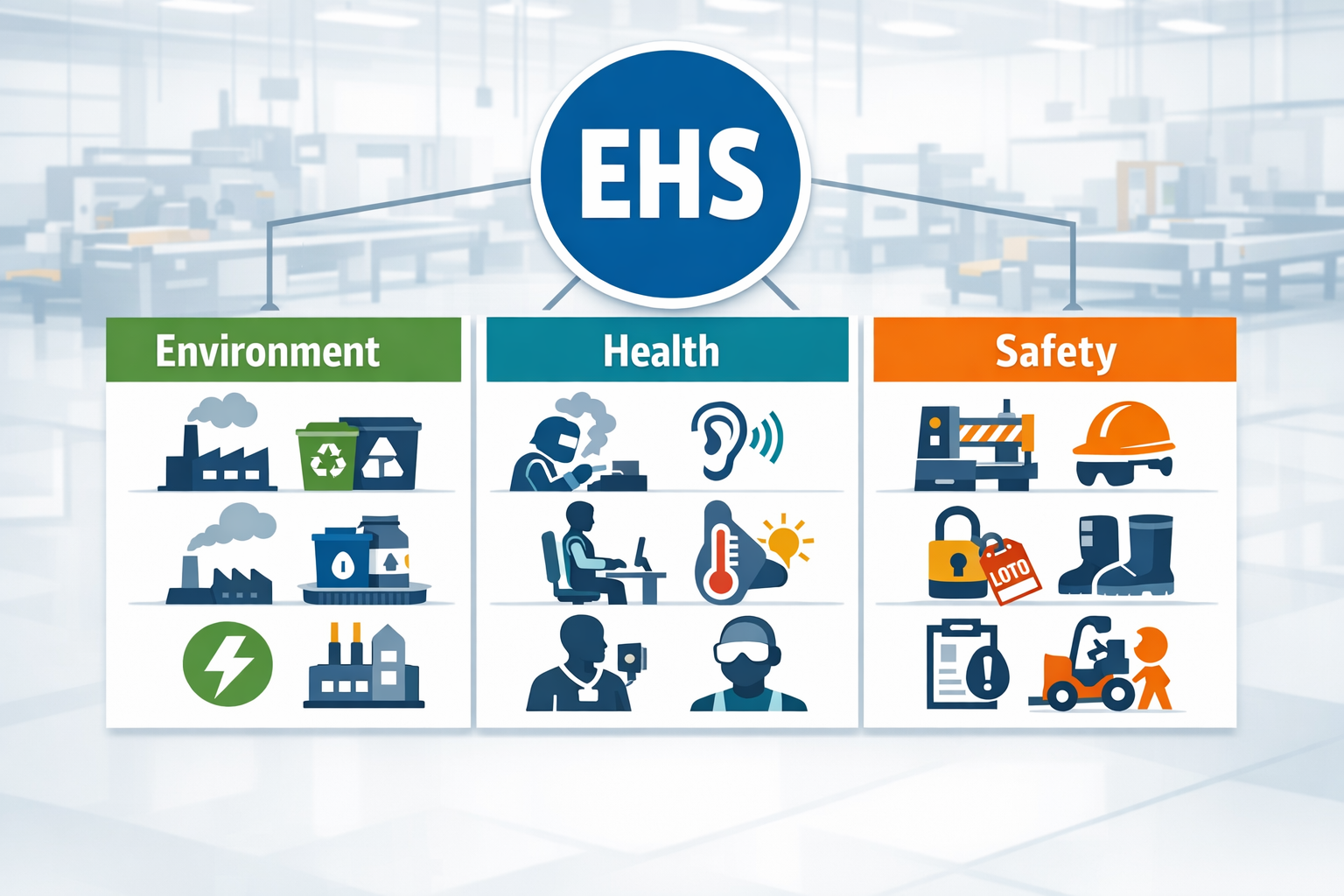
Für Werksteams, Umwelt, Gesundheit und Sicherheit Es handelt sich um drei miteinander verbundene Kontrollbereiche, die die Arbeitsabläufe in jeder Schicht prägen. In der Fertigung umfasst der Umweltbereich Emissionen, Abfall, Energieverbrauch und die Bekämpfung von Verschmutzungen; der Gesundheitsbereich konzentriert sich auf die Belastung der Beschäftigten und deren körperliches Wohlbefinden; und der Sicherheitsbereich befasst sich mit unmittelbaren Verletzungsrisiken durch Geräte, Materialien und unsichere Handlungen. Gemeinsam machen sie EHS (Umwelt, Gesundheit und Sicherheit) von einer reinen Pflichterfüllung zu einer festen Praxis im täglichen Arbeitsablauf.
Umwelt: Auswirkungen jenseits der Produktionslinie kontrollieren
Der Umwelt Diese Säule befasst sich damit, wie sich die Betriebsabläufe auf Luft, Wasser, Boden und Ressourcennutzung auswirken. In der Produktion umfasst dies den korrekten Umgang mit gefährlichen Abfällen, die Trennung von Abfallströmen, die Lagerung von Chemikalien in Sekundärbehältern und die Kontrolle der Abwassereinleitung aus Reinigungs- oder Oberflächenbehandlungsprozessen. Auch alltägliche Probleme wie Druckluftlecks, übermäßiger Energieverbrauch oder geringe Rohstoffausbeute fallen teilweise unter diese Säule, da sie die Umweltbelastung und die Betriebskosten erhöhen.
Ein Metallverarbeitungsbetrieb liefert ein einfaches Beispiel. Altöl, Lösungsmitteltücher und Farbschlamm dürfen nicht wie normaler Abfall behandelt werden, und falsch etikettierte Behälter können sowohl zu Problemen mit der Einhaltung von Vorschriften als auch zu Entsorgungsfehlern führen. Umweltmanagementmaßnahmen basieren daher auf klaren Lagerregeln, Kontrollpunkten und dokumentierten Entsorgungsaufzeichnungen. Dies ist einer der Gründe, warum die Vorteile des EHS-Managements in der Fertigung über die Sicherheit hinaus auch die Kostenkontrolle und die Zuverlässigkeit bei Audits umfassen.
Gesundheit: Umgang mit Exposition und langfristiges Wohlbefinden der Arbeitnehmer
Der Gesundheit Diese Säule zielt darauf ab, Menschen vor Bedingungen zu schützen, die zwar nicht unmittelbar zu Verletzungen führen, aber langfristig schädlich sein können. Zu den häufigsten Risiken in der Fertigung zählen Schweißrauch, Staub, chemische Dämpfe, Hitzestress, monotone Bewegungsabläufe, mangelhafte Arbeitsplatzgestaltung und übermäßiger Lärm. Laut Weltgesundheitsorganisation (WHO) tragen arbeitsbedingte Risiken weltweit jährlich zu Millionen von Todesfällen bei, die größtenteils auf langfristige Exposition und weniger auf plötzliche Unfälle zurückzuführen sind.
In einem Elektronikmontagebereich beispielsweise können Bediener selbst bei einem sauberen und ordentlichen Arbeitsplatz wiederholten Handgelenksbewegungen, Augenbelastung und langem Sitzen ausgesetzt sein. Gesundheitsschutzmaßnahmen umfassen hier ergonomische Arbeitsplatzanpassungen, Arbeitsplatzrotation, lokale Absaugung, Gehörschutz und regelmäßige Expositionsmessungen. Bei der späteren Planung eines Arbeitsschutzprogramms sind die grundlegende Risikobewertung und die Gesundheitsüberwachung an dieser Stelle unerlässlich.
Sicherheit: Vorbeugung von Zwischenfällen und Verlusten
Der Sicherheit Die Säule deckt Gefahren ab, die unmittelbaren Schaden verursachen können, wie z. B. Einklemmen, Ausrutschen, Stürze, Stromschlag, Gabelstaplerkollisionen und Chemikalienspritzer. In einer typischen Produktionslinie umfassen die Sicherheitsvorkehrungen Maschinenschutzvorrichtungen, Sperren/Kennzeichnen, Dazu gehören die Vorschriften zur persönlichen Schutzausrüstung (PSA), die Trennung von Fußgängern, die Arbeitserlaubnisverfahren und die Meldung von Beinaheunfällen. Ziel ist es nicht nur, auf Verletzungen zu reagieren, sondern die Kette von Umständen zu verhindern, die zu ihnen führen.
Stellen Sie sich eine Verpackungslinie mit häufigen Störungsbeseitigungen vor. Greifen Bediener in ungesicherte, sich bewegende Anlagenteile, kann eine kleine Störung innerhalb von Sekunden zu einer schweren Handverletzung führen. Strenge Sicherheitsvorkehrungen bedeuten, dass Schutzvorrichtungen funktionsfähig sind, die Stillstandsverfahren eingehalten werden, Vorgesetzte das Verhalten überprüfen und unsichere Zustände behoben werden, bevor es zu Verletzungen kommt.
Warum EHS-Management in der Fertigung wichtig ist
Sobald Sie verstehen, was EHS Die nächste Frage lautet: Warum ist Umwelt-, Gesundheits- und Sicherheitsmanagement (EHS) so wichtig für die Anlagenleistung? In der Fertigung ist EHS-Management nicht nur eine Pflichtaufgabe neben der Produktion. Es beeinflusst direkt die Verfügbarkeit von Arbeitskräften, die Stabilität der Produktionslinie, die Instandhaltungskoordination und die planmäßige Produktionsweise. Daher zeigen sich die Vorteile des EHS-Managements in der Fertigung nicht nur in den Auditergebnissen, sondern auch in der Produktionsleistung, den Kosten und der Liefertreue.
Weniger Verletzungen, weniger ungeplante Ausfallzeiten
Ein effektives Arbeitsschutzsystem reduziert meldepflichtige Verletzungen, Beinaheunfälle und Risikosituationen, bevor diese zu Produktionsausfällen führen. Wenn sich ein Bediener an einer Pressenlinie verletzt oder ein Gabelstapler einen Lagergang blockiert, reichen die Folgen über die medizinische Versorgung hinaus. Vorgesetzte unterbrechen die Arbeit, die Instandhaltung muss möglicherweise Anlagen überprüfen, und nachgelagerte Prozesse werden durch Materialfluss beeinträchtigt. In arbeitsintensiven Betrieben kann bereits ein einziger Arbeitsausfall Überstunden, Schichtumschichtungen und einen geringeren Tagesdurchsatz zur Folge haben.
Ein gutes EHS-Management schützt die Anlagenverfügbarkeit, indem es unsichere Betriebsbedingungen kontrolliert. Beispielsweise verringert eine konsequente Einhaltung der Sperr- und Kennzeichnungsverfahren das Risiko, dass Wartungsarbeiten an unter Spannung stehenden Maschinen beginnen. Regelmäßige Sicherheitsprüfungen können undichte Schläuche, verschlissene Schutzvorrichtungen oder unsichere Schaltschränke erkennen, bevor es zu Ausfällen kommt. Aus diesem Grund betrachten leistungsstarke Betriebe Sicherheitsbeobachtungen und Meldungen von Beinaheunfällen als Frühindikatoren und nicht als reine Dokumentationspflicht. Sie wissen: Prävention fördert die Zuverlässigkeit.
Besser als reaktives Sicherheitsmanagement
Reaktives Sicherheitsmanagement wartet auf Verletzungen, Verschmutzungen oder behördliche Feststellungen, bevor Maßnahmen ergriffen werden. Proaktives, datengestütztes Sicherheitsmanagement hingegen setzt auf … EHS Das Management erfasst Trends wie wiederholte Beinaheunfälle pro Schicht, unvollständige Korrekturmaßnahmen, zunehmende Lärmbelastung in einem Bereich oder wiederkehrende Verstöße von Fremdfirmen an einer Laderampe. Dadurch können die Werksleiter frühzeitig eingreifen, Ressourcen gezielter einsetzen und die Ursachen beheben, anstatt nur die Symptome zu behandeln.
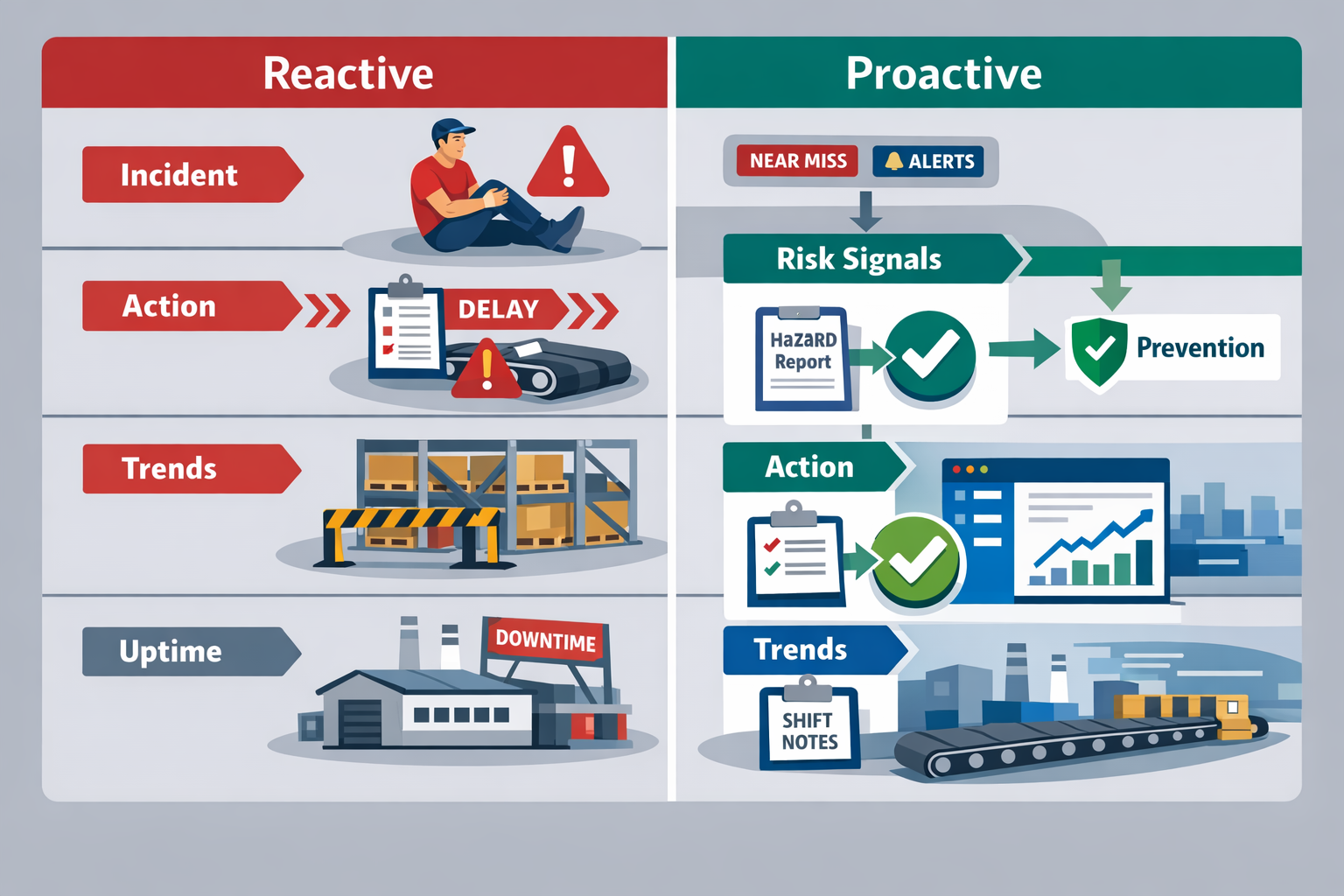
Dies ist besonders bei Schichtübergaben relevant, da bereits kleine Kommunikationslücken große Betriebsrisiken bergen. Bemerkt eine Schicht beispielsweise einen blockierten Notausgang, ungewöhnliche Dämpfe in der Nähe einer Beschichtungskabine oder fehlende Maschinenschutzvorrichtungen, dokumentiert und meldet sie dies aber nicht eindeutig, übernimmt die nächste Schicht die Gefahrenquelle. Betriebe mit strukturiertem EHS-Tracking können solche Probleme schneller beheben und die Produktion stabil halten. In der Praxis ist proaktives EHS-Management fester Bestandteil des täglichen Betriebs.
Stärkere Audits, höheres Kundenvertrauen und stärkeres Mitarbeiterengagement
Hersteller werden zunehmend von Aufsichtsbehörden, Kunden, Versicherern und der Unternehmensleitung hinsichtlich ihrer EHS-Leistungen (Umwelt, Gesundheit und Sicherheit) bewertet. Ein Werk, das Verpackungen für die Automobil-, Elektronik- oder Lebensmittelindustrie herstellt, muss im Rahmen von Audits oder Kundenbesuchen möglicherweise Unfallberichte, den Nachweis über absolvierte Schulungen, die Einhaltung der Vorschriften im Umgang mit Chemikalien und die Beauftragung von Auftragnehmern vorlegen. Werke mit disziplinierten EHS-Prozessen sind besser vorbereitet, da die Aufzeichnungen aktuell sind, Verantwortlichkeiten klar definiert sind und Folgemaßnahmen nachvollzogen werden können. Die Auditbereitschaft wird so zum Routinezustand und nicht zu einer hektischen Vorbereitung in letzter Minute.
Es gibt auch einen positiven Effekt auf die Belegschaft. Mitarbeiter melden Gefahren eher, befolgen Verfahren und bleiben engagiert, wenn sie erleben, dass das Management auf Sicherheitsbedenken reagiert. In vielen Fabriken stärkt dies das Vertrauen während Überstunden, Stillstandszeiten und der Anlaufphase neuer Produktionslinien, wenn die Risiken typischerweise steigen. Wenn Sie vorausschauend über den Aufbau eines EHS-Programms nachdenken, liefert Ihnen dies die praktischen Argumente: Eine bessere Umsetzung des EHS-Programms trägt zu mehr Sicherheit für die Mitarbeiter, einer stabileren Produktion und einem widerstandsfähigeren Werk bei.
Häufige Herausforderungen bei der Einhaltung und Umsetzung von EHS-Vorschriften in der allgemeinen Fertigung
Zu wissen, was EHS Die eigentliche Herausforderung besteht nicht darin, die Umwelt-, Gesundheits- und Sicherheitsmaßnahmen (EHS) konsequent im realen Schichtbetrieb, unter realen Vorgesetzten und unter realem Produktionsdruck umzusetzen. In vielen Werken sind die schriftlichen Verfahren zwar klar, doch die Umsetzung scheitert, da Berichterstattung, Inspektionen und Nachverfolgung immer noch auf manuellen Übergaben basieren. Genau in dieser Diskrepanz zwischen Richtlinie und täglicher Praxis entstehen die meisten Probleme mit der Einhaltung der EHS-Vorschriften.
Papierformulare verlangsamen Meldung und Reaktion
Papierformulare Dies stellt einen der größten Engpässe bei der Umsetzung von EHS-Programmen in der Fertigung dar. Wenn ein Beinaheunfall, eine unsichere Situation oder eine leichte Verletzung erst Stunden später schriftlich dokumentiert und eingereicht wird, verliert das Werk wertvolle Reaktionszeit, die ein erneutes Auftreten verhindern könnte. Vorgesetzte bemerken das Problem möglicherweise erst am Schichtende, und wichtige Details wie Fotos, Standortangaben, Namen von Zeugen oder Geräte-IDs fehlen oft. Infolgedessen beginnen Untersuchungen verspätet, und Korrekturmaßnahmen basieren auf unvollständigen Informationen.
Dasselbe Problem betrifft auch Routineinspektionen. Checklisten für Gabelstapler, Überprüfungen der Maschinensicherheit oder Inspektionen von Chemikalienlagern werden oft auf Papier ausgefüllt und bleiben dann in einem Ablagefach oder Büro liegen, bis jemand die Daten manuell in eine Tabelle überträgt. Bis dahin können offene Gefahren tagelang ungelöst bleiben, und niemand hat einen verlässlichen Überblick darüber, was festgestellt wurde, wer für die Behebung verantwortlich ist oder ob die Arbeiten fristgerecht abgeschlossen wurden.
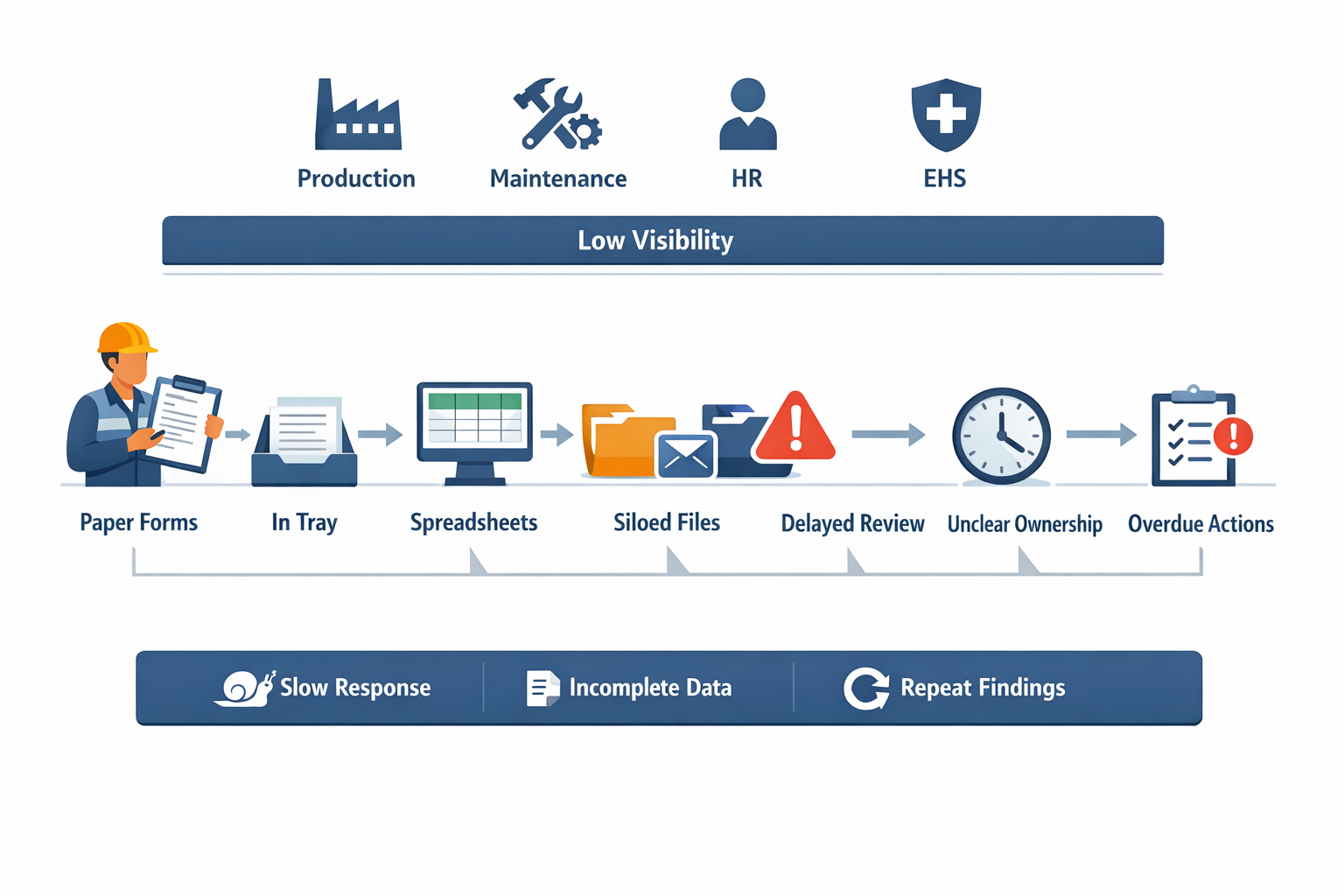
Tabellen-Silos beeinträchtigen die Transparenz
Tabellenkalkulationen erscheinen zunächst oft überschaubar, insbesondere in einem einzelnen Werk. Sobald jedoch EHS-Daten auf Instandhaltung, Produktion, Personalabteilung und Standortebene verteilt sind, wird es schwierig, den Zahlen zu vertrauen oder die Leistung zu vergleichen. Ein Team erfasst Vorfälle monatlich, ein anderes Inspektionen bereichsweise und ein drittes Schulungen separat – so entstehen mehrere Versionen der Wahrheit. Dies verlangsamt Trendanalysen und mindert das Vertrauen bei internen Überprüfungen oder externen Audits.
Das Problem verschärft sich bei Betrieben mit mehreren Produktionslinien oder Standorten. Ein regionaler EHS-Manager fordert möglicherweise überfällige Korrekturmaßnahmen an, doch jede Einrichtung berichtet in einem anderen Format und nach einem anderen Zeitplan. Anstatt Risiken in Echtzeit zu erkennen, verbringen Führungskräfte viel Zeit mit dem Abgleich von Tabellenkalkulationen. Das ist genau das Gegenteil der Transparenz, die notwendig ist, um die Vorteile eines effektiven EHS-Managements in der Fertigung zu verstehen.
Uneinheitliche Kontrollen führen zu ungleichmäßiger Kontrolle
Selbst wenn in den Betrieben Inspektionspläne gelten, Konsistenz Die Einhaltung der Vorschriften ist oft mangelhaft. Unterschiedliche Vorgesetzte interpretieren dieselbe Checkliste möglicherweise unterschiedlich, lassen Felder aus oder konzentrieren sich nur auf offensichtliche Probleme, während sie Gefahren, ergonomische Mängel oder Sauberkeitsrisiken übersehen. In manchen Fällen finden Inspektionen nur im Vorfeld eines Kundenbesuchs oder Audits statt. Dadurch wird die Einhaltung der Vorschriften eher sporadisch als kontrolliert überprüft.
Ein typisches Beispiel ist ein Metallverarbeitungsbetrieb. Eine Abteilung überprüft die Schweißrauchabsaugung wöchentlich, während eine andere dies nur bei Beschwerden von Mitarbeitern tut. Beide Abteilungen glauben, dieselbe Richtlinie zu befolgen, doch die tatsächlichen Kontrollstandards sind uneinheitlich. Mit der Zeit entstehen dadurch Lücken in der Expositionsüberwachung, die anhand von zusammenfassenden Berichten allein schwer zu erkennen sind.
Korrekturmaßnahmen Oftmals durchs Raster fallen
Viele Betriebe sind besser darin, Probleme zu erkennen, als sie zu beheben. Eine unsichere Leiter, ein blockierter Notausgang oder ein fehlendes Schild zur persönlichen Schutzausrüstung werden zwar gemeldet, die Zuständigkeiten bleiben jedoch unklar und Fristen werden nicht eingehalten. Sobald die unmittelbare Diskussion beendet ist, verschwindet der Vorfall schnell in E-Mail-Verläufen, Besprechungsnotizen oder auf Whiteboards. Das schwächt die Verantwortlichkeit und führt zu wiederholten Feststellungen.
Aus diesem Grund fällt es Herstellern schwer, ein skalierbares EHS-Programm aufzubauen. Die Herausforderung besteht nicht nur darin, Gefahren zu dokumentieren, sondern auch sicherzustellen, dass Maßnahmen zugewiesen, eskaliert, überprüft und dokumentiert werden. Ohne diese Disziplin wird selbst ein gut konzipierter EHS-Prozess reaktiv statt verlässlich.
Wie Sie ein EHS-Programm von Grund auf aufbauen – und es im Zuge Ihres Wachstums digitalisieren
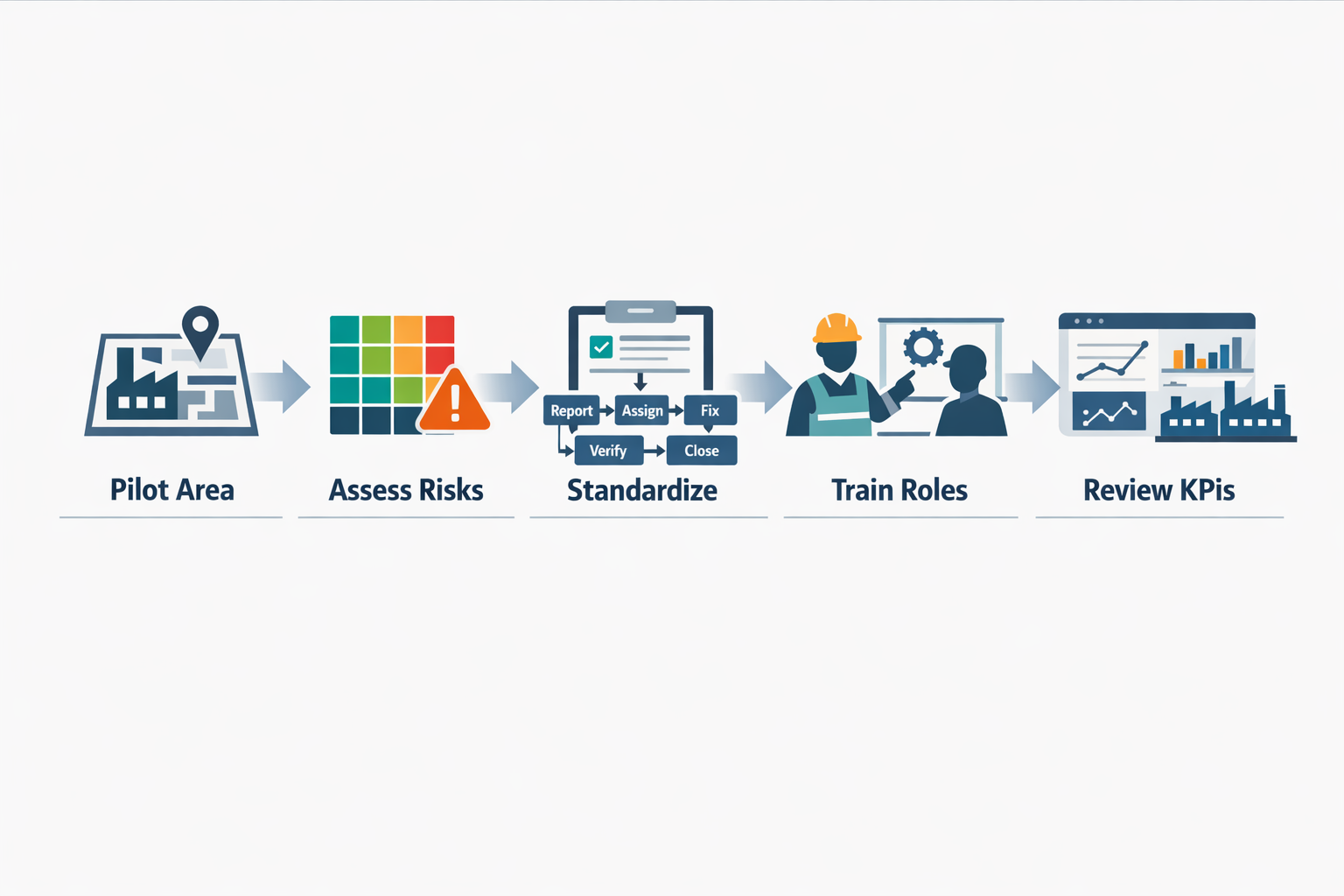
Beginnen Sie mit Umfang, Zuständigkeit und einem Pilotgebiet.
Wenn Sie sich entscheiden, wie Sie ein EHS Programm, beginnen Sie mit den Umfang einschränken. Ein mittelgroßes Werk sollte nicht alle Maßnahmen gleichzeitig in allen Werkstätten einführen. Stattdessen sollte man einen Pilotbereich definieren, beispielsweise eine Metallbearbeitungslinie mit 80 Mitarbeitern, gemeinsam genutzten Gabelstaplern, Schweißstationen und regelmäßigen Fremdfirmenarbeiten. Anschließend werden die Verantwortlichkeiten klar geregelt: Der EHS-Manager ist für die Standards verantwortlich, der Bereichsleiter für die tägliche Umsetzung, die Instandhaltung unterstützt Maßnahmen im Zusammenhang mit den Anlagen und die Personalabteilung für die Schulungsdokumentation.
Hier übersetzen Sie auch Umwelt, Gesundheit und Sicherheit in Anlagenverantwortlichkeiten. Die praktische Umsetzung besteht nicht nur aus drei Worten, sondern aus drei operativen Disziplinen mit benannten Verantwortlichen, Überprüfungszyklen und Berichtsregeln. Etablieren Sie frühzeitig einen Governance-Rhythmus: tägliche Bereichskontrollen, wöchentliche Maßnahmenüberprüfungen und monatliche Managementzusammenfassungen. Werke mit klarer Verantwortlichkeit schließen Korrekturmaßnahmen in der Regel schneller ab als Werke, die EHS als geteilte, aber undefinierte Verantwortung behandeln.
Risiken identifizieren und die wirksamsten Kontrollmaßnahmen priorisieren
Sobald das Pilotgebiet definiert ist, kartieren Sie es reale Betriebsrisiken. In diesem Fertigungsbeispiel überprüft das Werksteam manuelle Handhabung, Heißarbeitsdämpfe, Schleiffunken, Lärmbelastung, Chemikalienlagerung, die Interaktion zwischen Fußgängern und Gabelstaplern sowie die Genehmigungsverfahren für Fremdfirmen. Mithilfe einer einfachen Risikomatrix, die Wahrscheinlichkeit und Schweregrad bewertet, kann das Team kritische Kontrollen von weniger wichtigen Ordnungs- und Sicherheitsmaßnahmen unterscheiden. So wird verhindert, dass das Programm zu einer reinen Bürokratie verkommt.
Ein erster praktischer Durchgang kombiniert üblicherweise eine Begehung, die Auswertung von Vorfallshistorie, Beinaheunfallprotokollen, Wartungsberichten und Rückmeldungen der Bediener. Viele Hersteller stellen fest, dass die Rückmeldungen der Bediener Risiken aufdecken, die in formalen Dokumenten nicht erfasst werden, insbesondere bei Schichtwechseln und temporären Ausweichlösungen. Ziel ist es, zu identifizieren, welche Gefahren regelmäßige Inspektionen, welche technische Schutzmaßnahmen und welche verhaltensbasierte Verstärkung erfordern. In dieser Phase sollte das Design so einfach gehalten werden, dass ein konsistenter Betrieb gewährleistet ist.
Standardisierung der Kerndatensätze und der Workflow-Logik
Nachdem die größten Risiken identifiziert wurden, die Aufzeichnungen standardisieren Dies unterstützt die Umsetzung. In den meisten Anlagen bedeutet das: Unfallbericht, Beinaheunfallbericht, Checkliste für Sicherheitsinspektionen, Gefahrenbeobachtungsformular, Schulungsnachweis und Protokoll für Korrektur- und Vorbeugungsmaßnahmen. Jedes Formular sollte nur die für die jeweilige Maßnahme erforderlichen Felder enthalten: Standort, Schicht, Ausrüstung, Gefahrenart, Sofortmaßnahmen, Verantwortlicher, Fälligkeitsdatum und Nachweis der Maßnahmenbeendigung. Einheitliche Felder sind wichtig, da sie später eine Trendanalyse ermöglichen.
Nächste, den Arbeitsablauf definieren Von der Meldung bis zum Abschluss. Im Pilotbereich meldet ein Bediener einen Beinaheunfall, der Vorgesetzte bestätigt dies noch in derselben Schicht, der EHS-Manager stuft den Schweregrad ein, die Instandhaltung oder Produktion leitet Korrekturmaßnahmen ein, und für den Abschluss sind Fotobeweise und eine Genehmigung erforderlich. Sicherheitsinspektionen folgen demselben Prinzip: prüfen, Ergebnisse protokollieren, Verantwortliche zuweisen, Abschluss überprüfen und überfällige Punkte eskalieren. Digitale Arbeitsabläufe sind am effektivsten, wenn sie die tatsächlichen Entscheidungen im Werk widerspiegeln, anstatt generische Genehmigungsketten vorzugeben.
Schulung für den Einsatz, anschließend Überprüfung der Frühindikatoren
Nachdem der Workflow erstellt wurde, Training nach Rolle und nicht nur durch Richtlinien. Die Bediener müssen wissen, wie sie Meldungen abgeben, die Vorgesetzten, wie sie Prioritäten setzen und Maßnahmen zuweisen, und die Führungskräfte, welche Indikatoren ein Eingreifen erfordern. Im Pilotbereich bietet das Werk kurze Schulungen für Bediener und einstündige Praxisworkshops für Vorgesetzte mit realen Beispielen aus der Produktion an. Die Akzeptanz steigt, wenn die Teams die Formulare und Reaktionsschritte, die sie während ihrer Schicht anwenden werden, genau üben.
Abschließend sollten Sie vor der werksweiten Ausweitung die Frühindikatoren überprüfen. Beginnen Sie mit der Pünktlichkeit der Meldungen, der Inspektionsabschlussquote, überfälligen Korrekturmaßnahmen, wiederkehrenden Gefahren und dem Schulungsabschluss nach Rolle. Diese Kennzahlen zeigen, ob das System funktioniert – einer der Hauptvorteile des EHS-Managements in der Fertigung. Sobald im Pilotbereich eine stabile Einhaltung der Vorschriften und eine konsequente Umsetzung der Maßnahmen erreicht sind, können Sie dasselbe Modell mit weniger Anpassungen und geringerem Widerstand auf andere Abteilungen ausweiten.
Fazit: Umwandlung von EHS in ein Echtzeit-Betriebssystem mit Jodoo
Stark Umwelt, Gesundheit und Sicherheit Die Leistung in der Fertigung hängt maßgeblich von der Umsetzung ab. Richtlinien, Schulungsmaterialien und Auditordner sind wichtig, aber sie wirken nur, wenn Vorfälle umgehend gemeldet, Inspektionen planmäßig durchgeführt und Korrekturmaßnahmen bis zum Abschluss transparent umgesetzt werden. Für EHS-Manager und Werksleiter bedeutet dies, EHS als integralen Bestandteil des Tagesgeschäfts zu behandeln und nicht als separate Compliance-Maßnahme.
Hier zeigt sich der praktische Vorteil der Digitalisierung. Anstatt auf Papierformulare, unübersichtliche Tabellen und manuelle Nachbearbeitung angewiesen zu sein, können Hersteller nun digitale Lösungen nutzen. Jodoo, Eine No-Code-Plattform für schlanke Fertigung ermöglicht die Entwicklung mobiler Systeme zur Meldung von Vorfällen, automatisierter Arbeitsabläufe für Sicherheitsinspektionen, die Nachverfolgung von Korrekturmaßnahmen und Echtzeit-Compliance-Dashboards, die sich nahtlos in die bestehenden Produktionsprozesse integrieren lassen. Dies ermöglicht Vorgesetzten schnellere Reaktionszeiten, klarere Verantwortlichkeiten und eine lückenlose Dokumentation, ohne aufwendige individuelle Softwareprojekte durchführen zu müssen.
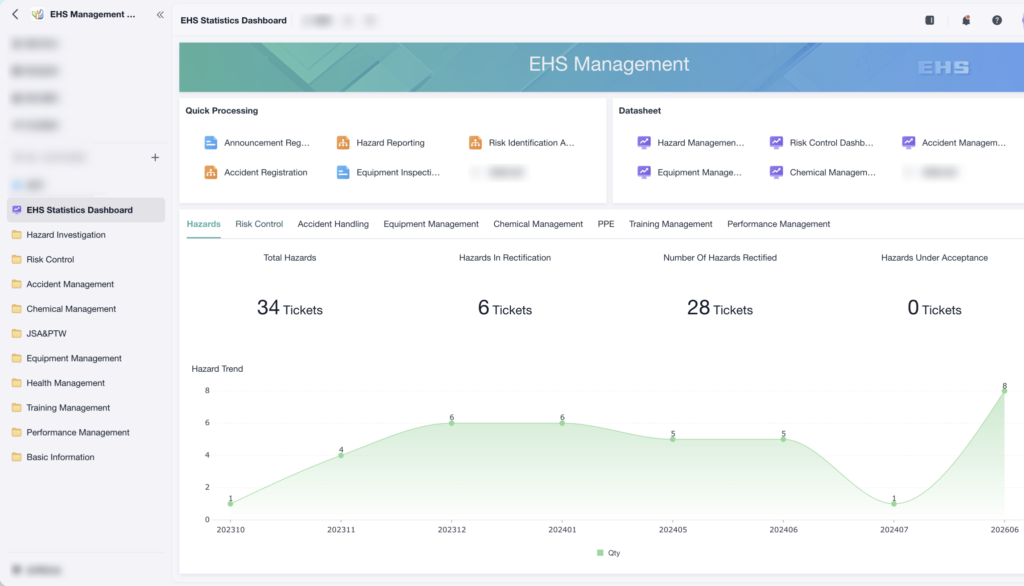
Wenn Sie die Umsetzung von EHS-Maßnahmen über Produktionslinien, Schichten oder Standorte hinweg standardisieren möchten, Jodoo Bietet Ihrem Team eine flexible Skalierungsmöglichkeit. Sie können mit einem Workflow beginnen, z. B. der Meldung von Beinaheunfällen oder dem Inspektionsmanagement, und diesen mit zunehmender Reife Ihres Programms erweitern. Starten Sie eine kostenlose Testphase oder Demo buchen Um zu erfahren, wie Jodoo Ihnen bei der Digitalisierung und Stärkung Ihrer EHS-Prozesse helfen kann.