Nach Kategorien durchsuchen

$15,000
Einsparungen pro von Bürgern entwickelter App
Über 40%
Steigerung der IT-Zufriedenheit
96.2%
Reduzierung der Lieferzeitanforderungen
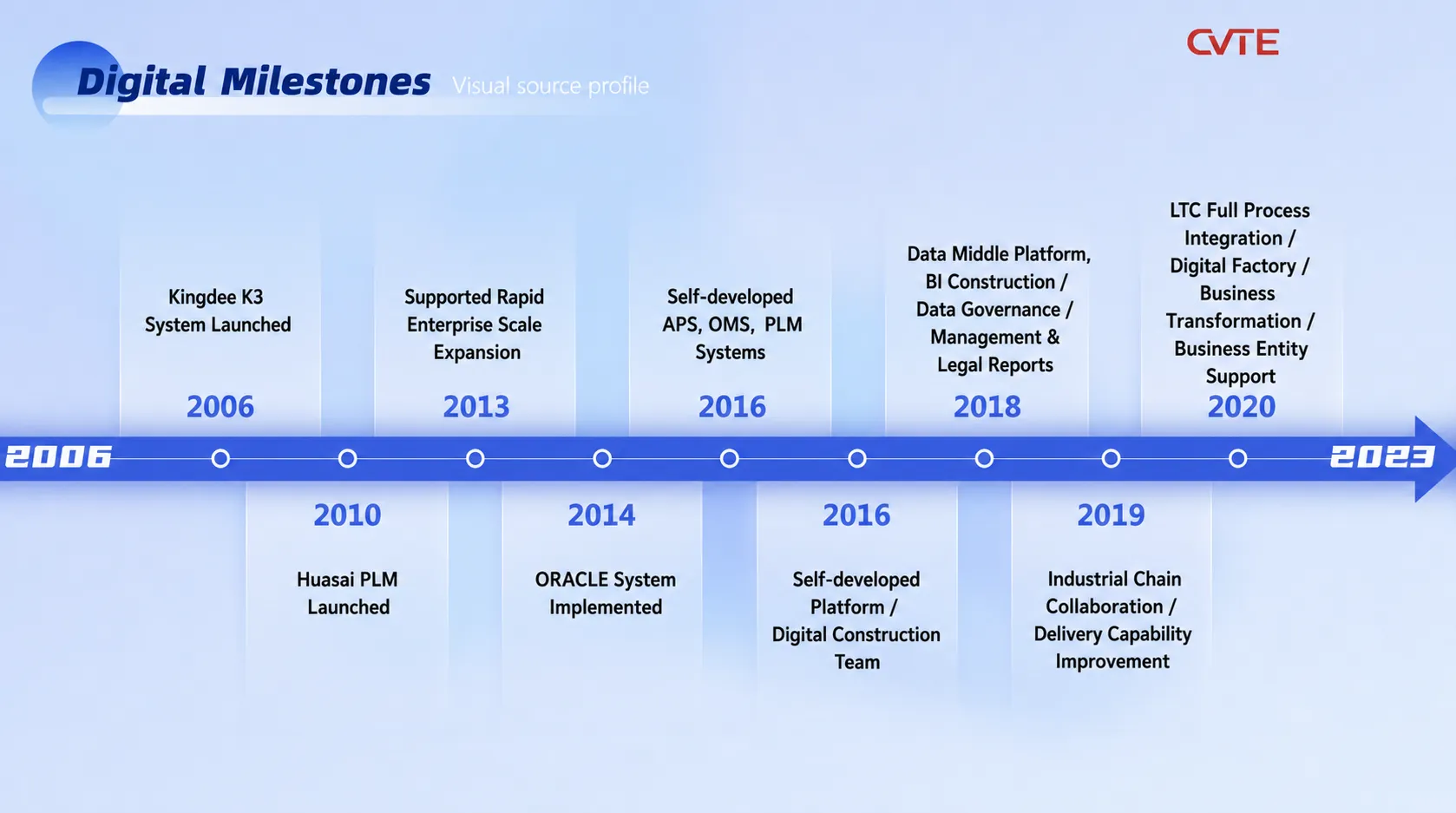
CVTE Technology (CVTE), ein anerkannter Marktführer im Bereich Displaysteuerung und interaktiver Technologien, ist seit jeher ein Unternehmen, das sich unermüdlich der Innovation verschrieben hat. Mit einem Portfolio, das von fortschrittlichen Displaykomponenten bis hin zu den weltweit bekannten Marken Seewo und MAXHUB reicht, basiert der Erfolg des Unternehmens auf einer Unternehmenskultur, die ihre Mitarbeiter befähigt, Probleme zu lösen und Wachstum voranzutreiben. CVTE hielt 2023 einen globalen Marktanteil von 32,411 Tsd. Billionen Einheiten bei LCD-Hauptsteuerplatinen. Mit über 6.693 Mitarbeitern, davon 57,51 Tsd. Billionen technische Fachkräfte, und einem Umsatz von über 3 Milliarden US-Dollar im Jahr 2024, brachte die rasante Expansion von CVTE ein komplexes digitales Ökosystem mit sich.

Als das Unternehmen auf über 430 interne Systeme und ein Team von Tausenden Mitarbeitern wuchs, geriet das traditionelle IT-Modell unter enormen Druck. Die Struktur, die dem Unternehmen bis dahin gute Dienste geleistet hatte, konnte mit dem rasanten Wachstum und den sich wandelnden Anforderungen zunehmend nicht mehr Schritt halten. Dies ist die Geschichte, wie CVTE sein IT-Betriebsmodell neu gestaltete, indem es einen neuen Organisationsmechanismus – den IT Business Partner (ITBP) – einführte und eine Kultur der aktiven Mitgestaltung förderte, wodurch die Arbeitsweise grundlegend verändert wurde.
Die Herausforderung: Ein Innovationsstau
Im Zentrum der operativen Strategie von CVTE stand ein starkes Engagement für die Digitalisierung, was sich bereits bei der Gründung zeigte: Die Hälfte des anfänglichen Umsatzes von 140.000 USD wurde umgehend in die IT-Infrastruktur investiert. Doch CVTE, ein Unternehmen, das sich Schnelligkeit und Agilität verschrieben hat, geriet in einen Innovationsstau. Mit über 430 verschiedenen Softwaresystemen, die unternehmensweit im Einsatz waren, war die zentrale IT-Abteilung stark überlastet. Jeder neue Geschäftsbedarf, unabhängig vom Umfang, musste eine zentrale IT-Warteschlange durchlaufen, was oft lange Wartezeiten bedeutete, bevor die Arbeit beginnen konnte. Dies schuf drei wesentliche Hindernisse, die das Wachstum des Unternehmens zu bremsen drohten.
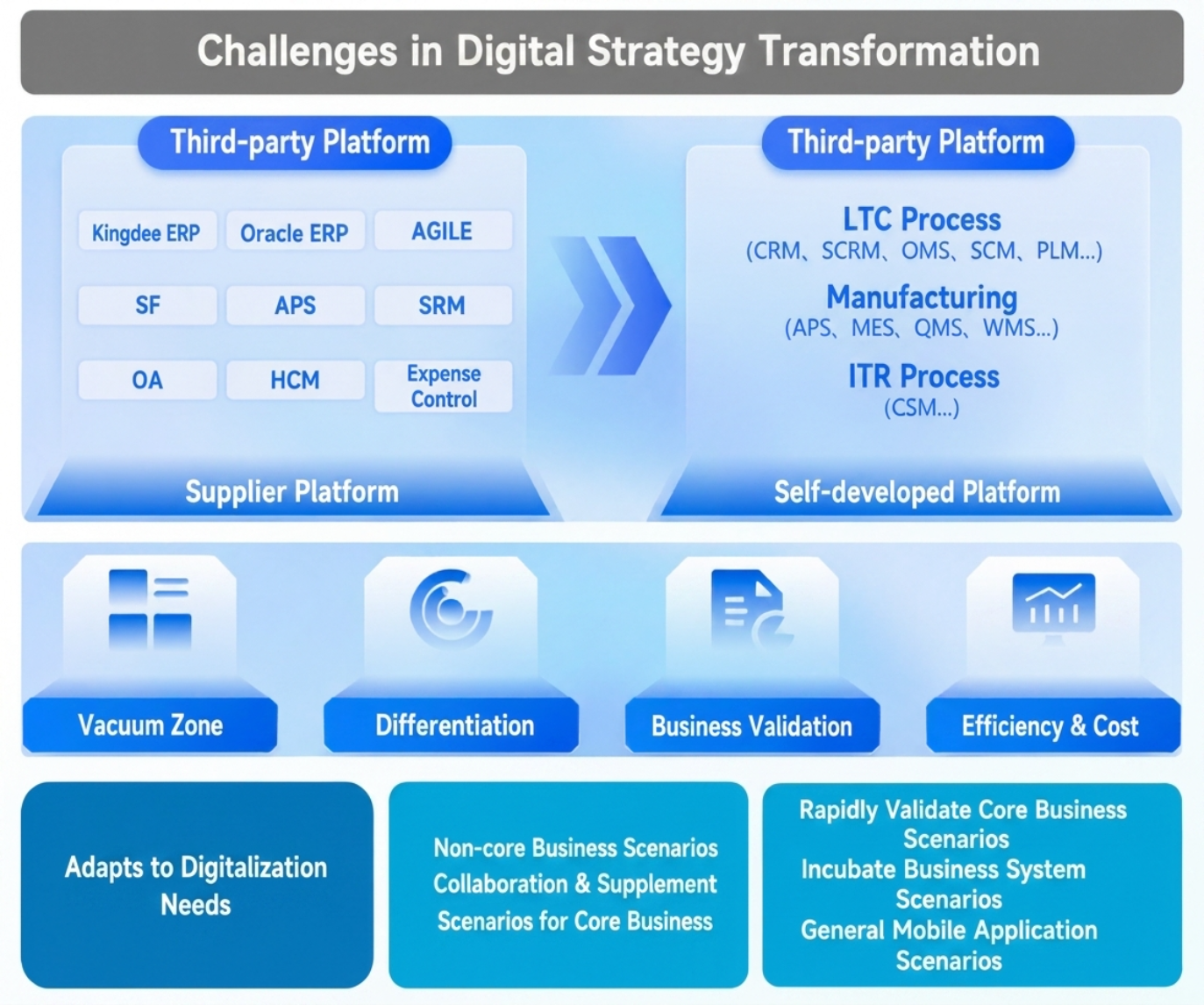
Der IT-Engpass
Das rasante Wachstum und die Diversifizierung von CVTE waren zwar eine Erfolgsgeschichte, führten aber zu einer komplexen und fragmentierten digitalen Landschaft. Die schiere Anzahl an Systemen – viele davon individuell entwickelt oder im Laufe der Jahre von den Geschäftsbereichen eigenständig beschafft – wurde zu einer enormen operativen Belastung für die IT-Abteilung. Da ein Großteil der Teamkapazität für die Wartung und Integration bestehender Systeme benötigt wurde, blieb wenig Zeit für die Bearbeitung neuer, wertvoller Ideen aus dem Business. Infolgedessen mussten neue Anfragen der Business-Teams oft lange Bearbeitungszeiten in Kauf nehmen, was auf beiden Seiten zu Frustration führte.
Das Lieferdilemma
Wenn ein Business-Team eine neue Idee hatte – beispielsweise eine optimierte Prozesssteuerung oder ein neues Tool für den Kundenservice –, war der traditionelle Weg zur Lösung langwierig und kostspielig. Die Entwicklung individueller Software konnte Monate dauern, ein Zeitrahmen, der in den schnelllebigen Märkten von CVTE schlichtweg inakzeptabel war. Der Kauf von Standardsoftware für jeden einzelnen Abteilungsbedarf war nicht nur finanziell unpraktisch, sondern führte auch zu einem weiteren System in der ohnehin schon komplexen IT-Umgebung. So entstand eine Zwickmühle: Entweder verzichtete das Unternehmen auf die benötigten Tools, oder es beschaffte Lösungen, die der IT langfristig zusätzliche Governance-Probleme bereiteten.
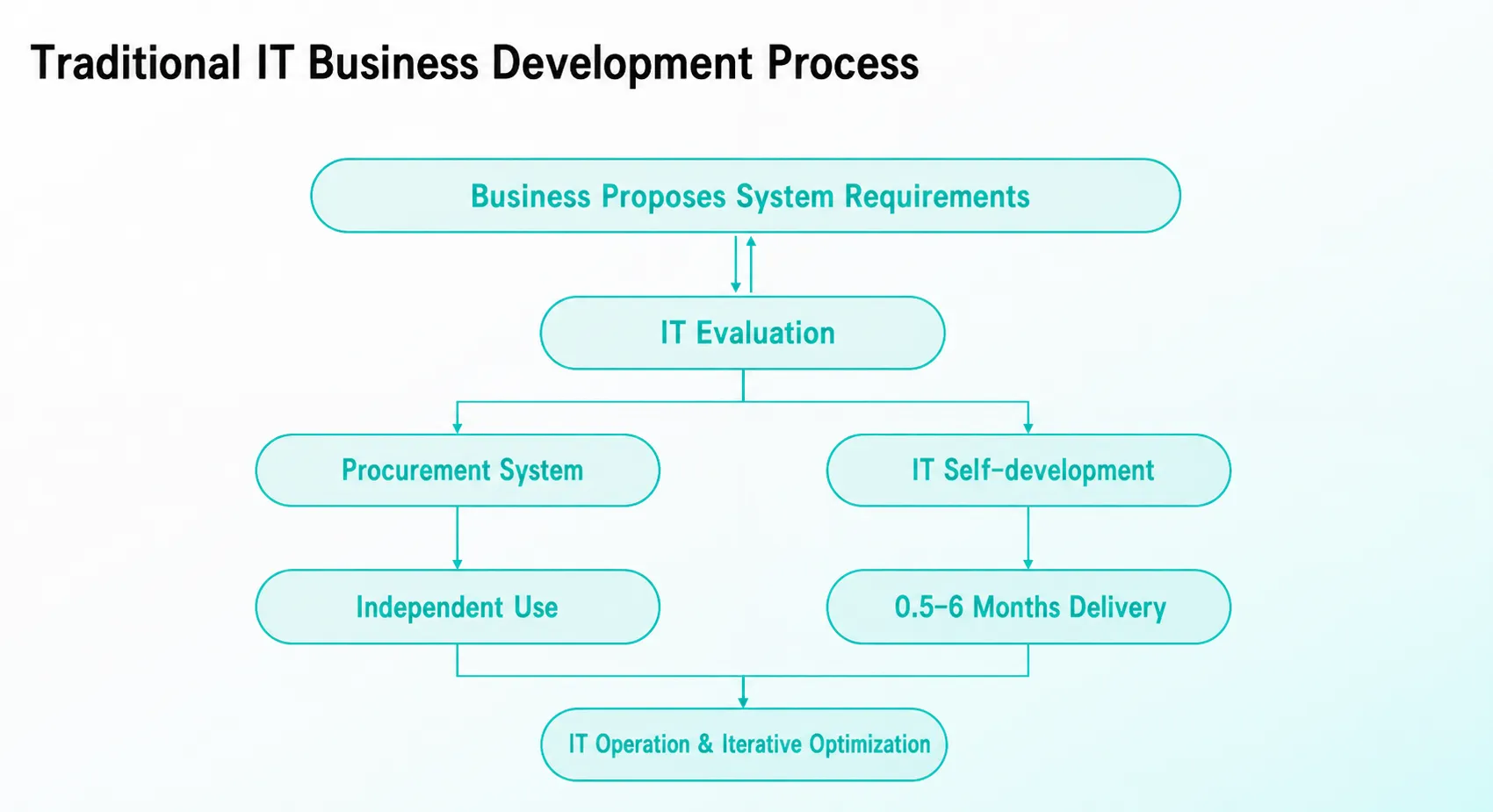
Die große Kluft: Eine Diskrepanz zwischen Geschäftsanforderungen und IT-Realität
Die größte Herausforderung bestand letztlich in der wachsenden Kluft zwischen den Fachabteilungen, die den Problemen am nächsten standen, und der IT-Abteilung, die die Lösungen in Händen hielt. Die Fachanwender wussten, was sie brauchten, konnten es aber nicht selbst umsetzen. Die IT verfügte zwar über die technischen Fähigkeiten, war aber zu weit von der täglichen Geschäftspraxis entfernt, um die Feinheiten jeder Anforderung vollständig zu erfassen. Diese Diskrepanz führte zu einem langsamen und ineffizienten Anforderungsmanagement. Es war ein klassischer Fall von Missverständnissen, bei dem wertvolle Geschäftseinblicke im formalen IT-Entwicklungsprozess verwässert oder verzögert wurden. Das Unternehmen verfügte über viele intelligente und motivierte Mitarbeiter mit großartigen Ideen, denen jedoch die Werkzeuge fehlten, um diese Ideen in die Realität umzusetzen.
CVTE erkannte, dass die wahre Entfaltung des Innovationspotenzials seiner Mitarbeiter nicht allein durch die Einstellung weiterer Entwickler oder den Kauf zusätzlicher Software möglich war. Notwendig war vielmehr ein grundlegender Wandel der Organisationsstruktur – ein Wandel, der die Mitarbeiter wirklich stärken und die Kluft zwischen Business und IT überbrücken würde.
Die Lösung: Brücken bauen mit ITBP und Bürgerentwicklung
Anstatt die bestehende Infrastruktur zu erweitern, entschied sich CVTE für den Bau einer Reihe neuer, leistungsstarker Brücken zwischen Business und IT. Die Lösung bestand nicht in einer einzelnen Technologie, sondern in einer wirkungsvollen Kombination aus einem neuen Organisationsmechanismus und einer Kultur der Eigenverantwortung. Diese Strategie basierte auf drei Säulen: der Etablierung der Rolle des IT-Business-Partners (ITBP), der Förderung der Mitarbeiterentwicklung und der Optimierung des gesamten Anforderungserfüllungsprozesses.
Der ITBP-Mechanismus: Ihr hauseigener Technologieberater
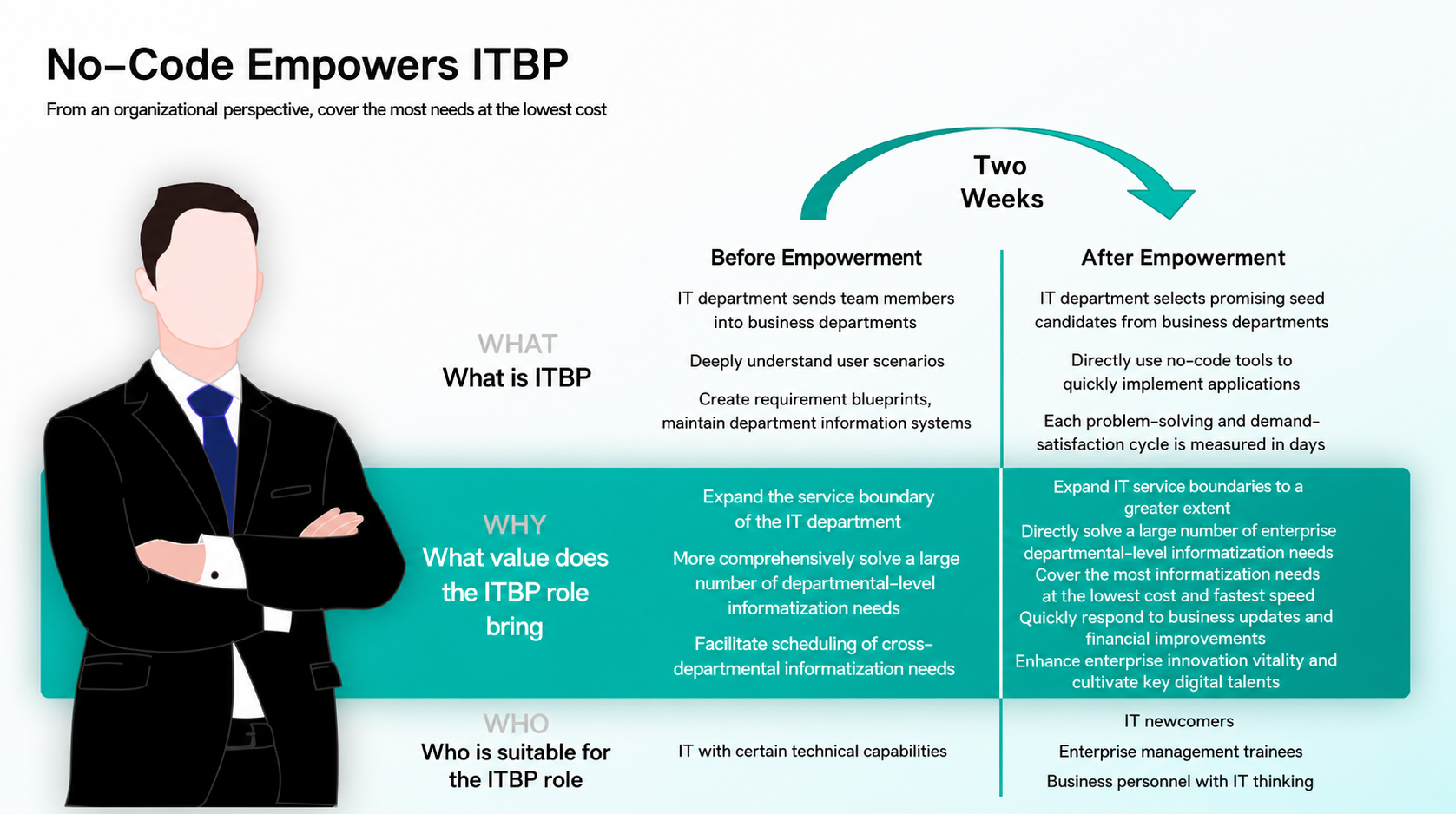
CVTEs Meisterleistung war die Schaffung der Rolle des IT Business Partners (ITBP). Stellen Sie sich einen ITBP als Produktmanager und Technologieberater vor, der direkt in eine Geschäftseinheit integriert ist. Seine Aufgabe ist es, die Sprache der Geschäftsprozesse und der Technologie zu sprechen. Er erfasst nicht nur Anforderungen, sondern kennt die täglichen Herausforderungen und Ziele des Unternehmens auswendig. Wenn ein Anwender eine Idee hat, ist der ITBP sein erster Ansprechpartner.
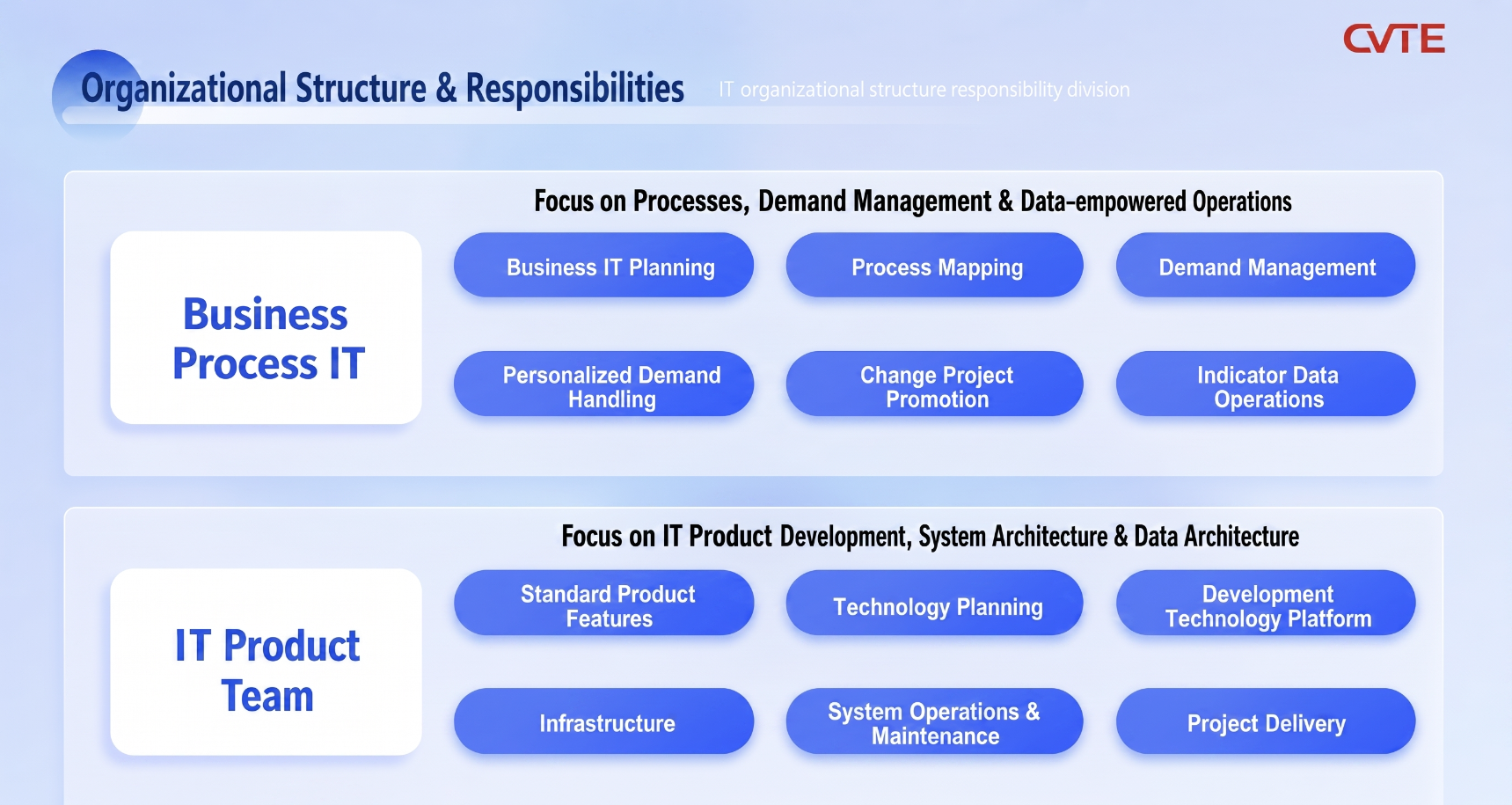
Ausgestattet mit No-Code-Tools kann der ITBP (IT Business Partner) ein Gespräch umgehend in einen funktionierenden Prototyp umsetzen. Anstatt ein umfangreiches, möglicherweise missverständliches Spezifikationsdokument zu verfassen, entwickelt der ITBP innerhalb weniger Stunden oder Tage eine einfache, funktionale Anwendung. So kann der Anwender eine reale Lösung sehen, anfassen und mit ihr interagieren und direktes Feedback geben. Dieser schnelle, iterative Prozess – von der Idee über den Prototyp bis zum Feedback – beschleunigt die Validierung erheblich und stellt sicher, dass die finale Lösung exakt den Geschäftsanforderungen entspricht. Der ITBP wird so zum Multiplikator, erweitert die Reichweite des zentralen IT-Teams und ermöglicht eine Reaktionsfähigkeit, die zuvor unvorstellbar war.
Bürgerentwicklung: Jeden Mitarbeiter zur Innovation befähigen
Das ITBP-Modell war der Anstoß, doch die eigentliche Begeisterung entfachte die Entwicklung durch die Mitarbeiter. Als die Anwender sahen, wie schnell die ITBPs nützliche Anwendungen entwickeln und bereitstellen konnten, breitete sich ein positiver Effekt im gesamten Unternehmen aus. Die Mitarbeiter fragten sich, ob auch sie eigene Lösungen entwickeln könnten. Mit den richtigen Werkzeugen und der passenden Unterstützung lautete die Antwort: Ja.
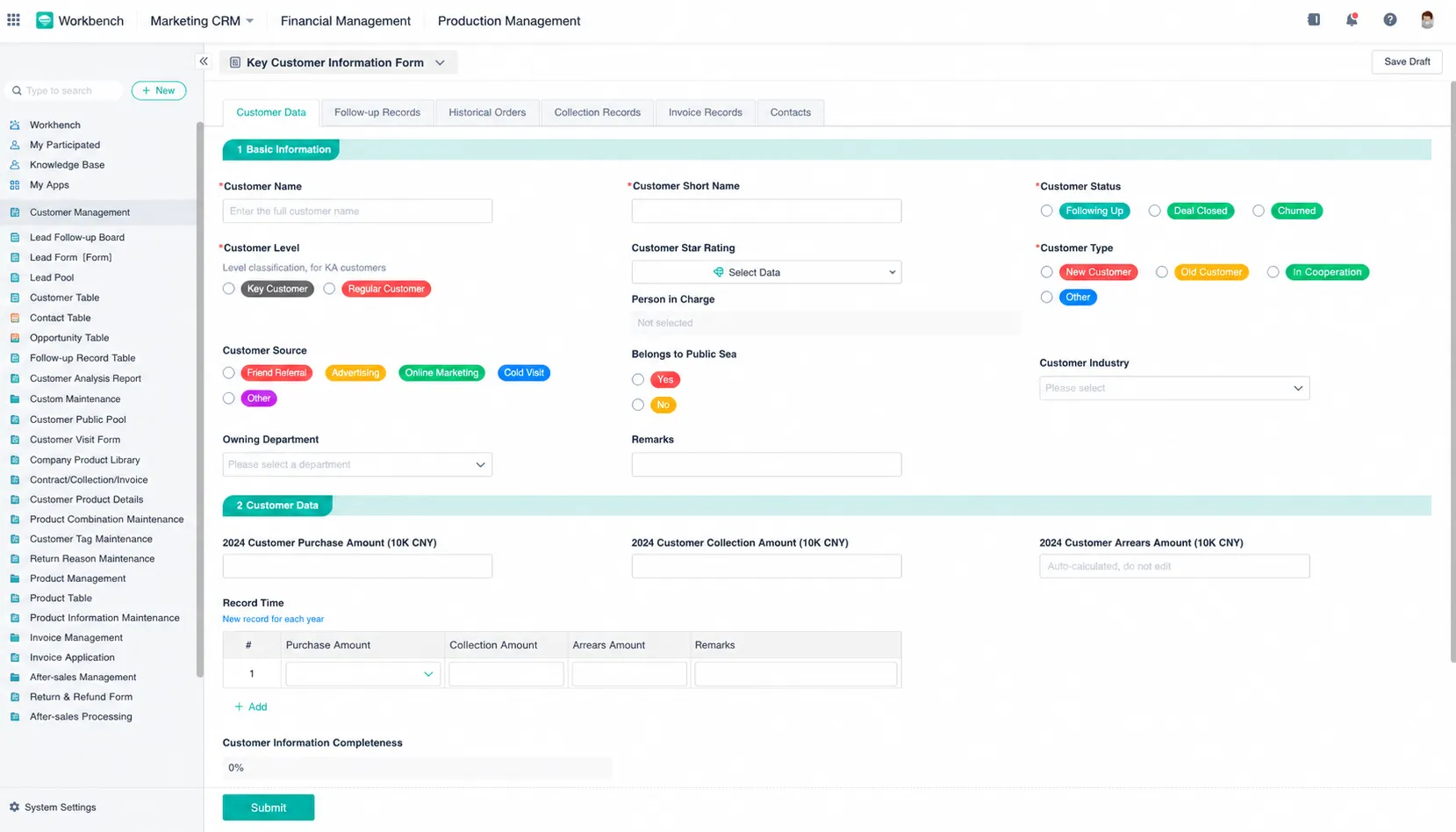
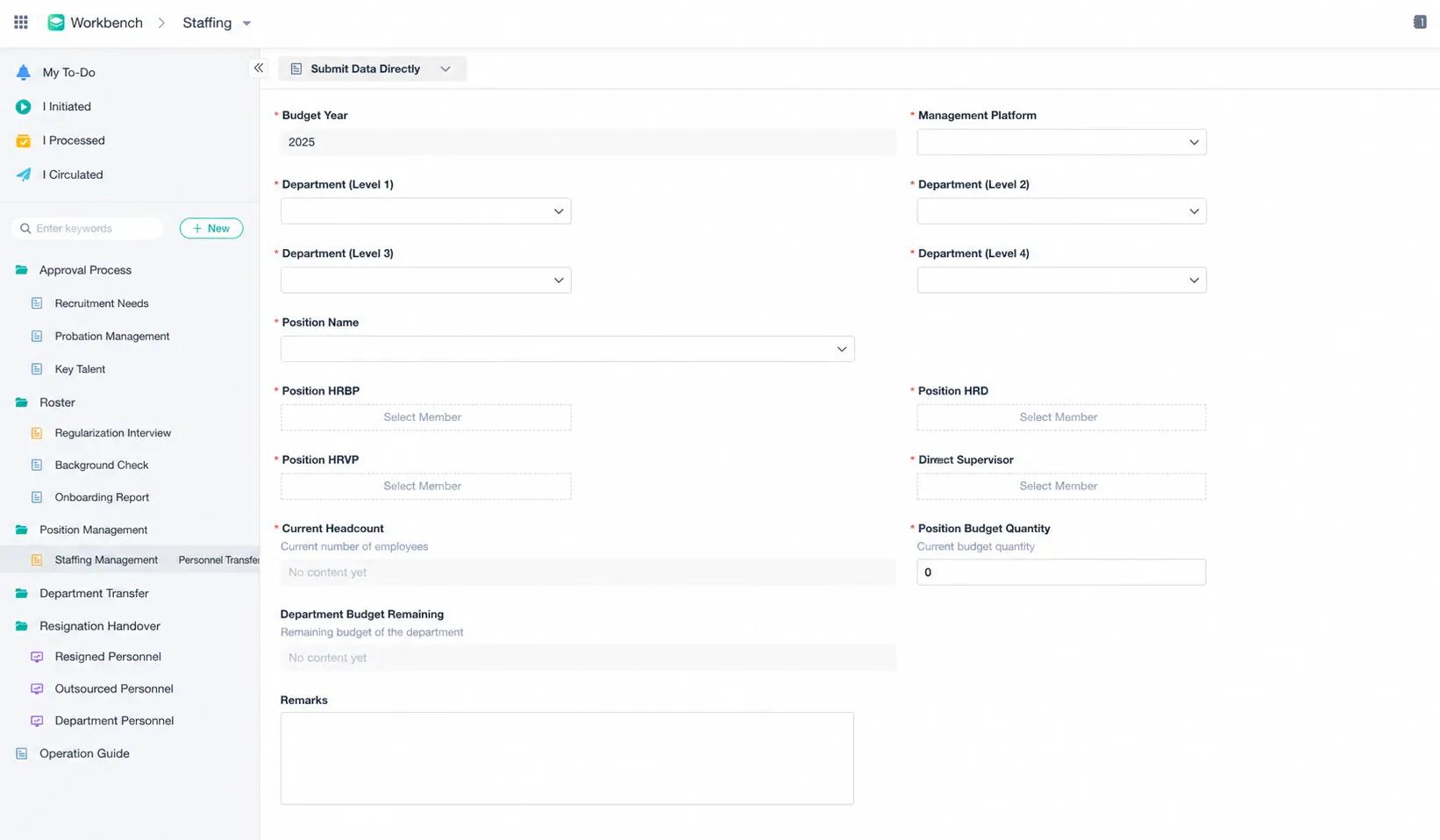
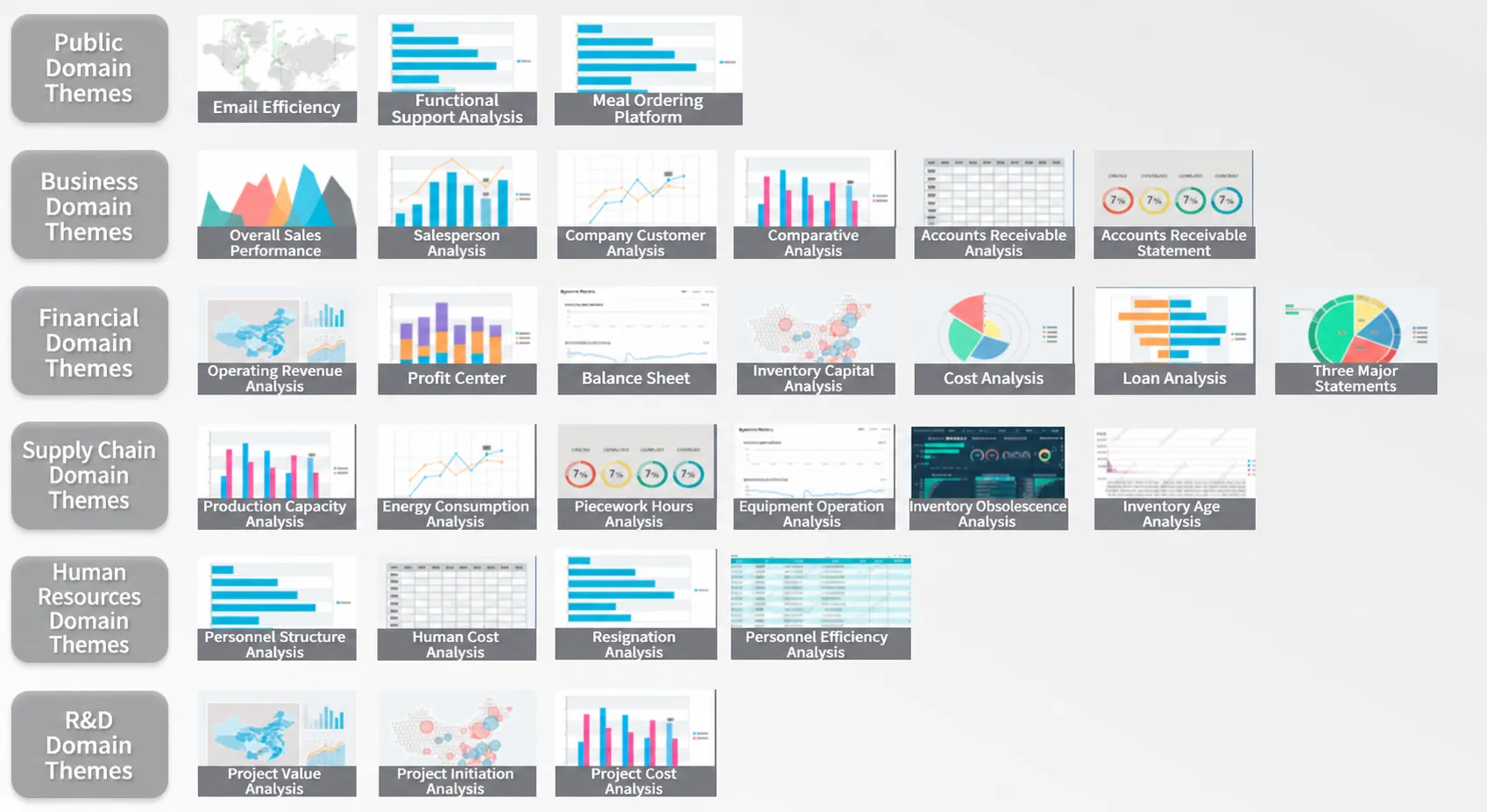
CVTE förderte diese Neugier aktiv, indem das Unternehmen seinen Mitarbeitern die nötigen Werkzeuge und Schulungen zur Verfügung stellte, um selbst zu Entwicklern zu werden. Die Personalabteilung beispielsweise ließ sich von ihrem IT-Businessplan inspirieren und beschloss, ein eigenes System zur Personalbudgetverwaltung zu entwickeln. Ein Prozess, dessen individuelle Entwicklung die IT auf drei Monate geschätzt hatte, wurde vom Personalteam selbst innerhalb einer Woche entwickelt und eingeführt. Dies war kein Einzelfall. Schon bald entwickelten Teams aus dem gesamten Unternehmen eigene Lösungen für verschiedenste Bereiche – von der Händlerverwaltung und Kundenbefragungen bis hin zu Immobilieninspektionen und Restaurantreservierungen. Mehr als die Hälfte der über 160 bei CVTE entwickelten Anwendungen stammen mittlerweile von Anwendern aus den Fachabteilungen, nicht von der IT-Abteilung. Diese Bottom-up-Bewegung hat ein dezentrales Netzwerk von Problemlösern geschaffen, die Herausforderungen direkt an der Wurzel packen und so die zentrale IT-Abteilung entlasten, damit diese sich auf komplexere, unternehmensweite Projekte konzentrieren kann.
Effiziente und kontrollierte Anforderungserfüllung: Geschwindigkeit mit Leitplanken
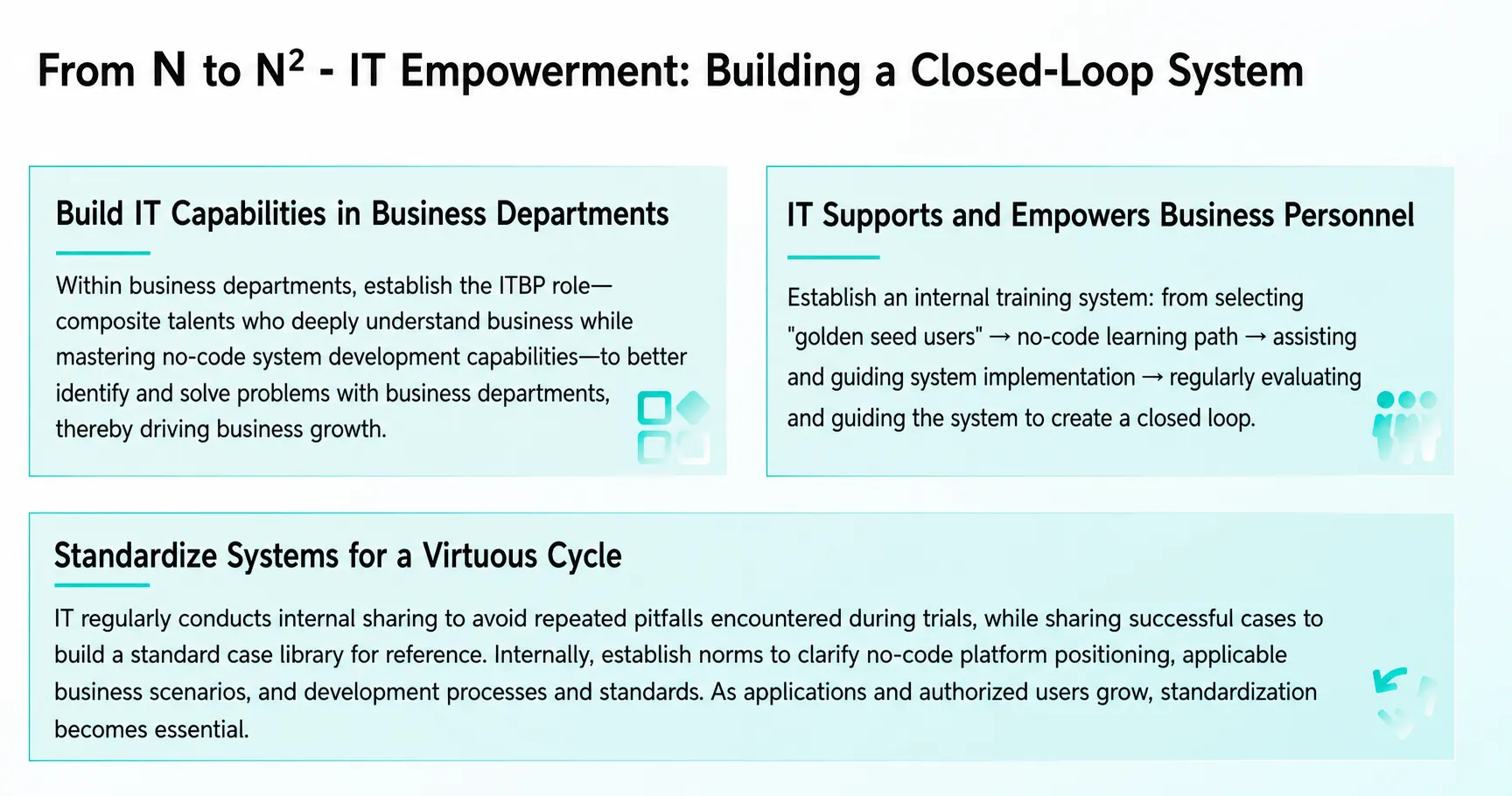
Diese explosionsartige Zunahme von Citizen-Development-Projekten hätte leicht zu Chaos führen können, doch CVTE implementierte ein intelligentes Governance-Framework, um sicherzustellen, dass Geschwindigkeit nicht auf Kosten von Sicherheit und Stabilität ging. Die IT-Abteilung wandelte sich von einer Kontrollinstanz zu einem Wegbereiter und Coach. Sie etablierte klare Standards und Best Practices für die No-Code-Entwicklung, definierte, welche Szenarien für Citizen Developer geeignet sind, und beschrieb die Prozesse für die Entwicklung, Bereitstellung und Wartung von Anwendungen.
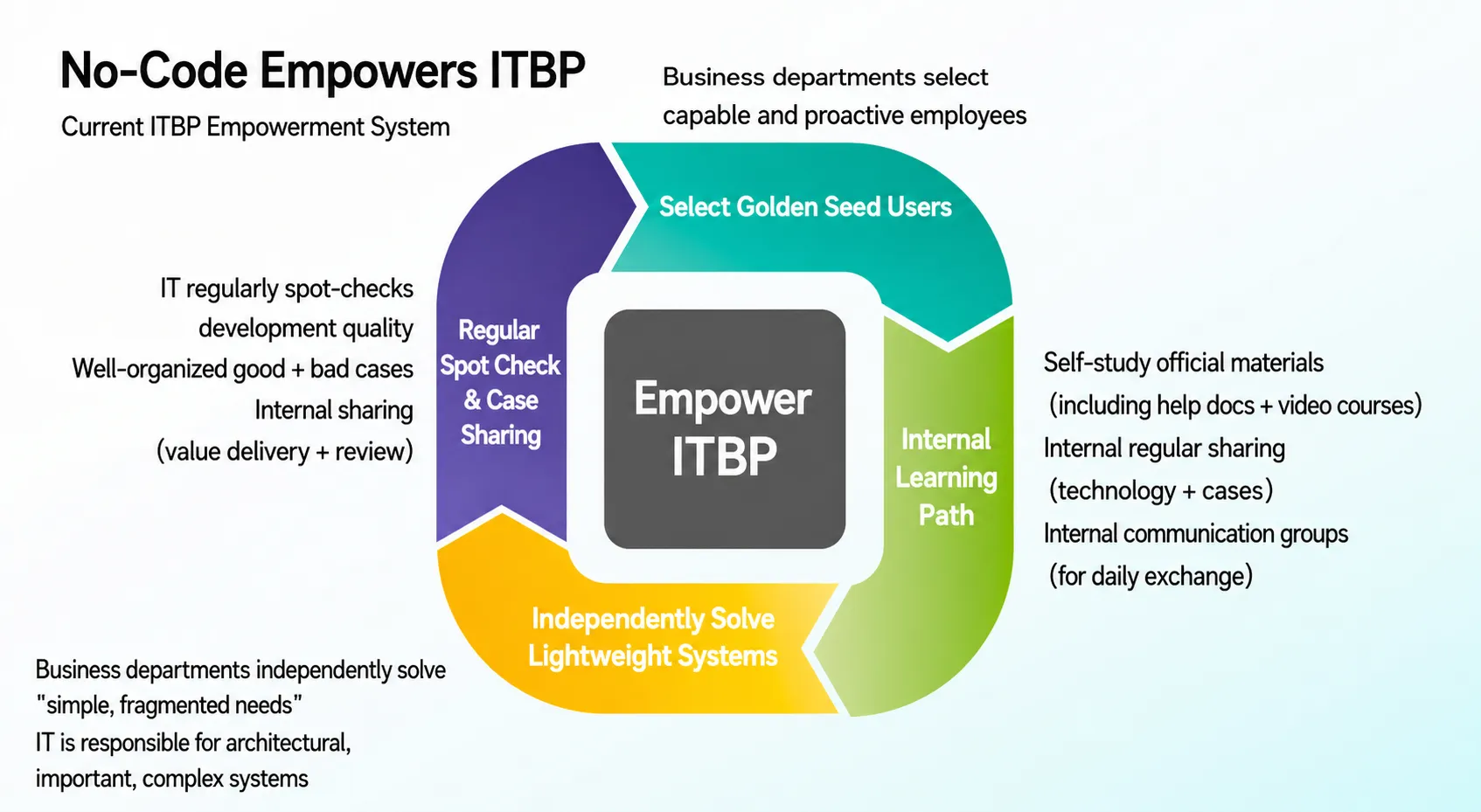
Sie schufen außerdem ein solides Unterstützungssystem für ihre wachsende Gemeinschaft von Bürgerentwicklern. Dazu gehörte:
- Screening und Identifizierung von “Golden Seed Users”, die ein besonderes Talent für die Entwicklung zeigten.
- Bereitstellung strukturierter Lernpfade und Schulungsressourcen.
- Wir bieten praxisnahe Anleitung und Mentoring während des Entwicklungsprozesses.
- Regelmäßige Überprüfungen und Feedback zur Sicherstellung von Qualität und Konsistenz.
Diese Kombination aus organisatorischen Mechanismen (ITBP) und kultureller Befähigung (Bürgerentwicklung), die alle durch einen klaren Governance-Rahmen gesteuert werden, hat die Effizienz der Anforderungserfüllung grundlegend verändert. Der Feedback-Zyklus von der Idee bis zur implementierten Lösung wurde von Monaten auf Wochen und in vielen Fällen sogar auf nur Tage verkürzt. CVTE hatte erfolgreich ein System geschaffen, das die Agilität eines Startups mit der Größe und den Governance-Strukturen eines Großunternehmens vereint.
Die Ergebnisse: Eine Innovationskultur, quantifiziert
Die Umstellung auf ein ITBP-gesteuertes, bürgerorientiertes Entwicklungsmodell war nicht nur ein philosophischer Wandel, sondern führte zu deutlichen und messbaren Ergebnissen im gesamten Unternehmen. Indem CVTE die Mitarbeiter, die den Problemen am nächsten standen, befähigte, eigene Lösungen zu entwickeln, erreichte das Unternehmen ein neues Niveau an Effizienz, Agilität und Innovation. Der Innovationsstau wurde beseitigt, und das gesamte Unternehmen konnte seine Dynamik deutlich steigern.
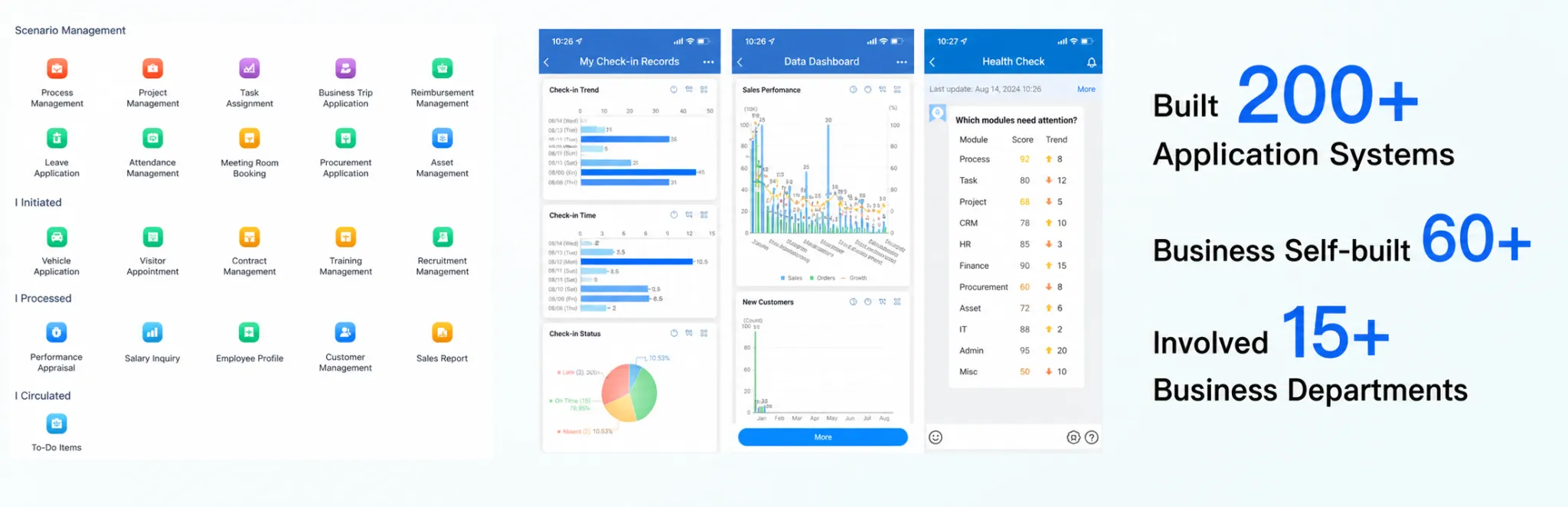
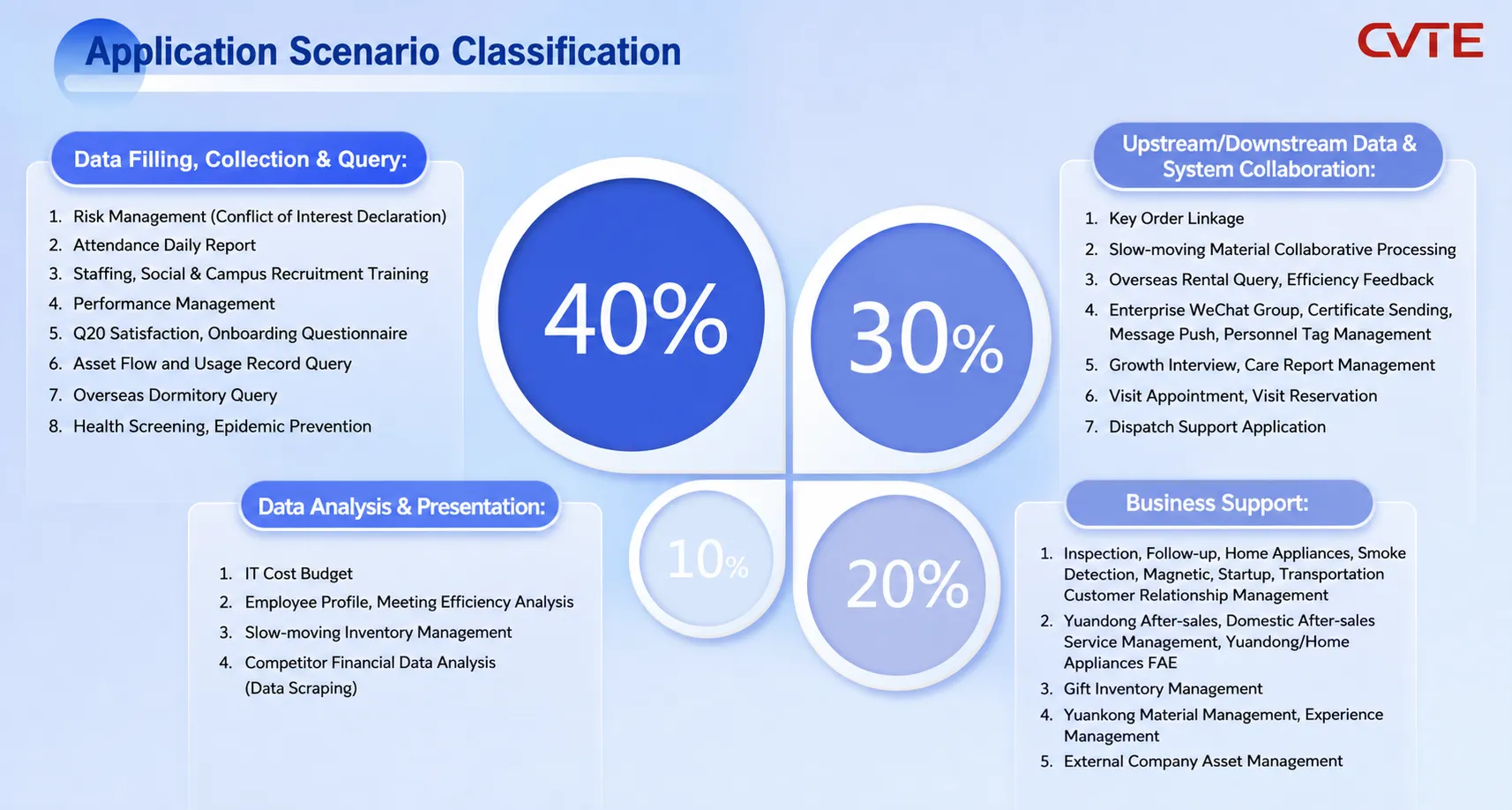
Die Transformation lässt sich anhand einiger wichtiger Kennzahlen erkennen:
| Leistungskennzahl | Vorher: Traditionelles IT-Modell | Nachher: ITBP + Bürgerentwicklungsmodell |
|---|---|---|
| Anforderung Lieferzeit | 3-6 Monate | 1-2 Wochen (oft Tage) |
| Anwendungsentwicklung | 100% ist auf zentrale IT angewiesen | Über 501.030 neue Apps, die von Geschäftsanwendern entwickelt wurden |
| IT-Team im Fokus | 80%-Wartung, 20%-Innovation | 40%-Wartung, 60%-Strategieprojekte |
| Einbindung von Geschäftsanwendern | Passive Nutzer | Aktive Entwickler und Problemlöser |
| Mitarbeiterzufriedenheit | Mäßig | +40% Steigerung der Zufriedenheit mit IT |
Von Monaten zu Tagen: Eine Revolution in der Geschwindigkeit
Das unmittelbarste und wirkungsvollste Ergebnis war die radikale Beschleunigung des Entwicklungszyklus. Die Fähigkeit der Personalabteilung, innerhalb einer Woche ein komplexes System zu entwickeln – eine Aufgabe, für die die IT-Abteilung drei Monate benötigt hätte – war ein eindrucksvoller Beweis für die Leistungsfähigkeit des neuen Modells. Diese Entwicklung wiederholte sich im gesamten Unternehmen: Ideen, die zuvor monatelang im IT-Backlog feststeckten, wurden nun innerhalb weniger Tage in funktionsfähige Anwendungen umgesetzt. Dank dieser neu gewonnenen Geschwindigkeit konnten die Geschäftsbereiche auf Marktveränderungen reagieren, neue Prozesse erproben und Kundenprobleme mit beispielloser Agilität lösen.
Verborgene Werte freisetzen: Die Macht des Volkes
Indem CVTE über 501.000 Anwendungsentwicklern Entwicklungswerkzeuge zur Verfügung stellte, erschloss das Unternehmen eine enorme, zuvor ungenutzte Ressource: die kollektive Intelligenz seiner Belegschaft. Die Anwender identifizierten nicht länger nur Probleme, sondern lösten sie aktiv. Dies führte zu einer Welle von Innovationen von unten nach oben: Mitarbeiter entwickelten hochspezifische, wertvolle Anwendungen, für die das zentrale IT-Team aufgrund fehlender Kapazitäten keine Lösung gefunden hätte. Diese Lösungen auf Abteilungsebene waren zwar einzeln betrachtet klein, führten aber insgesamt zu einer deutlichen Verbesserung der betrieblichen Effizienz und der Mitarbeitermotivation. Das zentrale IT-Team, entlastet von der Last kleinerer Anfragen, konnte sich nun auf strategische Initiativen mit hohem Wert konzentrieren, die das gesamte Unternehmen voranbrachten.
Eine neue Beziehung: Die IT als Partner, nicht als Türsteher
Das ITBP-Modell veränderte die Beziehung zwischen der IT-Abteilung und den übrigen Geschäftsbereichen grundlegend. Die IT wurde nicht länger als Hindernis oder Dienstleister, sondern als strategischer Partner und Innovationsförderer betrachtet. Die ITBPs agierten als vertrauenswürdige Berater und unterstützten die Geschäftsbereiche bei der Navigation durch die digitale Landschaft und bei der Entscheidungsfindung im Technologiebereich. Dieser kollaborative Ansatz förderte ein Gefühl der gemeinsamen Verantwortung und des gegenseitigen Respekts und überwand die Silos, die den Fortschritt zuvor behindert hatten. Das Ergebnis war eine stärker vernetzte, digital kompetente Organisation, die für die Herausforderungen der Zukunft bestens gerüstet ist.
Zukunftsaussichten: Skalierung des Innovationsmotors
Für CVTE ist der Erfolg des ITBP- und Citizen-Development-Modells kein Endpunkt, sondern die Grundlage für die nächste Phase der digitalen Transformation. Das Unternehmen konzentriert sich nun darauf, diesen Innovationsmotor unternehmensweit auszubauen und seine Wirkung zu verstärken.
“Basierend auf Jodoos No-Code-Entwicklungstool nutzt das ITBP von CVTE nach der Ermittlung des IT-Bedarfs direkt No-Code-Tools, um Anwendungen schnell bereitzustellen. Dadurch verkürzt sich die Zeit von der Anforderungserhebung bis zur Entwicklung von Monaten auf Wochen oder sogar Tage. Das durch No-Code unterstützte ITBP hat die Servicegrenzen der IT erheblich erweitert und löst eine Vielzahl digitaler Anforderungen auf Abteilungsebene direkt, kostengünstig und schnell. Dies führt zu spürbaren Geschäftsverbesserungen und finanziellen Vorteilen für alle Beteiligten.‘
—— Sprecher, CVTE
Der Plan sieht vor, noch mehr ITBPs auszubilden und in die Unternehmen zu integrieren, um von einem reaktiven Supportmodell zu einer proaktiven Partnerschaft überzugehen. Ziel ist es, dass ITBPs zu echten strategischen Beratern werden, die aktiv Chancen für digitale Innovationen identifizieren und die Geschäftsbereiche beim Aufbau der für ihren Erfolg notwendigen Tools unterstützen. Indem CVTE weiterhin in seine Citizen Developer Community investiert und ihr die erforderlichen Schulungen, Unterstützung und Governance-Strukturen bietet, schafft das Unternehmen eine wirklich resiliente und anpassungsfähige Organisation.
Sie schaffen ein Unternehmen, in dem die besten Ideen von überall herkommen können und jeder Mitarbeiter die Möglichkeit hat, Teil der Lösung zu sein. Was mit einem einzelnen IT-Business-Partner und einem No-Code-Tool begann, hat sich zu einer unternehmensweiten Transformation entwickelt und beweist, dass die wirkungsvollsten Technologieinvestitionen diejenigen sind, die Menschen befähigen, ihre eigenen Probleme zu lösen.
Sind Sie bereit, die Innovatoren in Ihrem Unternehmen freizusetzen?
Die Geschichte von CVTE ist ein eindrucksvolles Beispiel dafür, wie eine strategische Umstrukturierung und die Einführung von No-Code-Tools die Innovationsfähigkeit eines Unternehmens grundlegend verändern können. Sind Sie bereit, die Kluft zwischen Ihren Fach- und IT-Teams zu überbrücken und Ihre Mitarbeitenden zu befähigen, die benötigten Lösungen selbst zu entwickeln? Dann erfahren Sie mehr darüber, wie Jodoo Sie bei der unternehmensweiten Skalierung eines Citizen-Development-Programms unterstützen kann.
[Fordern Sie eine Demo von Jodoo an]