Duyệt theo danh mục

Giới thiệu: Bảo trì tự động có nghĩa là gì trong TPM hiện đại?
Một lần ngừng hoạt động ngoài kế hoạch cũng có thể khiến các nhà sản xuất thiệt hại nhiều hơn rất nhiều so với số phút bị mất trên dây chuyền sản xuất. Tại các nhà máy sản xuất ô tô và điện tử, thời gian ngừng hoạt động có thể làm gián đoạn chu kỳ sản xuất, trì hoãn việc giao hàng cho khách hàng và buộc phải làm thêm giờ, gây thêm áp lực lên nguồn nhân lực vốn đã khan hiếm. Đó là lý do tại sao bảo trì tự động Điều này đã trở thành một phần cốt lõi của TPM hiện đại: nó chuyển giao việc bảo trì thiết bị cơ bản cho những người gần máy móc nhất, nhờ đó các vấn đề nhỏ được phát hiện trước khi chúng trở thành những hỏng hóc tốn kém.
Trên thực tế, bảo trì tự động là trụ cột bảo trì do người vận hành thực hiện trong Bảo trì Năng suất Toàn diện (Total Productive Maintenance). Người vận hành chịu trách nhiệm vệ sinh định kỳ, kiểm tra, bôi trơn, siết chặt bu lông và phát hiện sớm các bất thường, trong khi các kỹ thuật viên bảo trì tập trung vào các công việc sửa chữa và phòng ngừa đòi hỏi kỹ năng cao hơn. Hãy tưởng tượng một giám sát sản xuất tại một nhà máy phụ tùng ô tô yêu cầu người vận hành kiểm tra rò rỉ dầu, rung động bất thường và các tấm chắn lỏng lẻo mỗi khi bắt đầu ca làm việc; những hành động đơn giản đó có thể ngăn chặn một vấn đề nhỏ biến thành hàng giờ sản lượng bị mất.
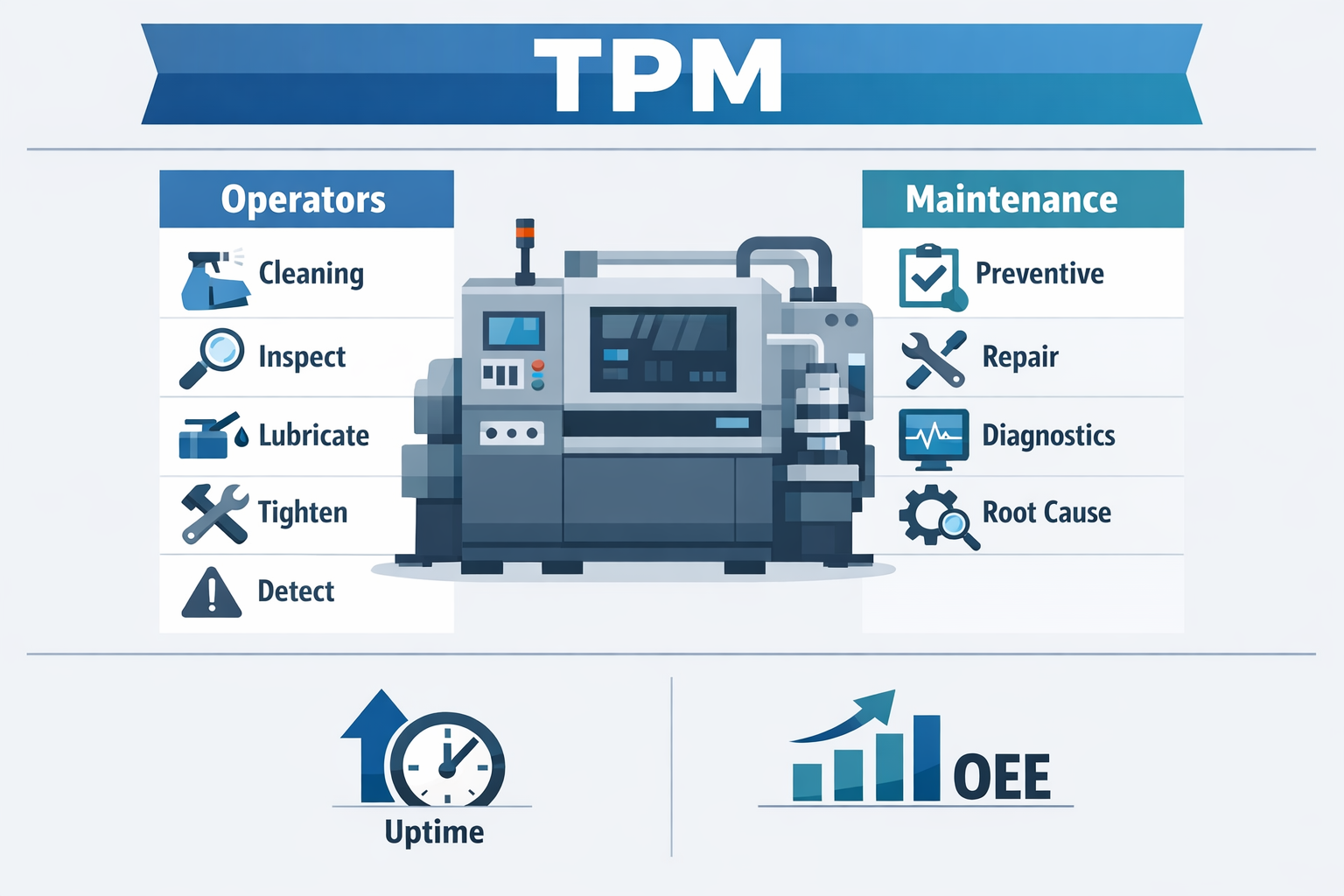
Điều này thậm chí còn quan trọng hơn ngày nay khi các nhà máy phải đối mặt với mục tiêu thời gian hoạt động cao hơn, đội ngũ nhân viên tinh gọn hơn và áp lực ngày càng tăng để cải thiện hiệu quả thiết bị tổng thể (OEE). Trong bài viết này, bạn sẽ tìm hiểu TPM bảo trì tự động trông như thế nào trong môi trường nhà máy thực tế, cách đào tạo người vận hành hiệu quả và cách các công cụ kỹ thuật số như... Jodoo Có thể chuẩn hóa các bước kiểm tra, phát hiện các bất thường và theo dõi sát sao các hành động tiếp theo.
Vì sao các chương trình bảo trì tự động lại bị đình trệ tại xưởng sản xuất?
Vấn đề thường nằm ở hệ thống hàng ngày, chứ không phải ở khái niệm buổi sáng.
Hầu hết bảo trì tự động Các chương trình không thất bại vì người vận hành không chịu bảo dưỡng thiết bị. Chúng bị đình trệ vì nhà máy không bao giờ vận hành đúng cách. bảo trì tự động TPM Biến ý tưởng thành một quy trình hàng ngày đơn giản, dễ lặp lại và phù hợp với thực tế sản xuất. Các nhóm tiến hành đào tạo, đăng tải tiêu chuẩn vệ sinh và triển khai bảng kiểm tra, nhưng sau vài tuần, công việc bắt đầu thay đổi theo dây chuyền, theo ca và theo người giám sát. Những gì tưởng chừng hiệu quả trong giai đoạn triển khai lại trở nên khó duy trì trong điều kiện sản xuất thực tế.
Ở nhiều nhà máy, xuất hiện khoảng cách giữa quy trình được thiết kế và quy trình thực tế. Trụ AM TPM có thể định nghĩa rõ ràng các bước bảo trì tự động Chẳng hạn như vệ sinh, kiểm tra, bôi trơn, siết chặt và gắn thẻ bất thường, nhưng người vận hành vẫn phải nhớ chi tiết từ các bài học ngắn gọn được ép plastic hoặc các tập tài liệu giấy. Khi thời gian chu kỳ sản xuất eo hẹp, việc chuyển đổi dây chuyền bị chậm trễ hoặc tình trạng vắng mặt buộc phải luân chuyển công việc, những bước này rất dễ bị bỏ qua hoặc làm vội vàng. Đó là lý do tại sao công tác bảo trì do người vận hành thực hiện thường suy yếu sau khi vận hành, ngay cả khi sự hỗ trợ của ban quản lý là chân thành.
Danh sách kiểm tra trên giấy dễ bị lỗi trong điều kiện sản xuất thực tế.
Việc kiểm soát bằng giấy tờ là một trong những lý do lớn nhất. bảo trì do người vận hành thực hiện Việc sử dụng giấy tờ làm mất đi tính nhất quán. Một danh sách kiểm tra trên bảng kẹp có thể xác nhận rằng một nhiệm vụ đã được ký duyệt, nhưng hiếm khi cho thấy liệu điểm cần kiểm tra có đúng hay không, liệu có bất thường nào được chụp ảnh hay không, hoặc liệu nhiệm vụ có được hoàn thành đúng thời điểm hay không. Trên thực tế, giấy tờ cung cấp cho các nhà máy hồ sơ, nhưng không phải lúc nào cũng cung cấp sự xác minh.
Hãy tưởng tượng một giám sát sản xuất tại một nhà máy lắp ráp điện tử yêu cầu ba ca làm việc thực hiện kiểm tra khởi động trên các bộ cấp liệu SMT, các điểm đo áp suất khí và các cảm biến băng tải. Ca ngày điền vào biểu mẫu một cách cẩn thận, ca đêm đánh dấu vào các ô sau khi hoàn thành, và nhóm làm việc cuối tuần sử dụng một phiên bản danh sách kiểm tra lỗi thời. Đến sáng thứ Hai, người giám sát có một chồng biểu mẫu nhưng không có cách nào đáng tin cậy để biết những công việc bảo trì thiết bị nào thực sự đã được thực hiện, những bất thường nào vẫn chưa được khắc phục, hoặc máy móc nào đang gặp phải các sự cố lặp đi lặp lại.
Điều này rất quan trọng vì những lỗi kiểm tra nhỏ bị bỏ sót có thể nhanh chóng dẫn đến thời gian ngừng hoạt động. Theo ước tính của ngành, thời gian ngừng hoạt động ngoài kế hoạch có thể khiến các nhà sản xuất thiệt hại hàng nghìn đô la mỗi giờ, tùy thuộc vào quy trình và giá trị sản phẩm, với các dây chuyền tốc độ cao hoặc tự động hóa cao thường phải chịu tổn thất lớn hơn nhiều. Trong bối cảnh đó, bảo trì thiết bị bởi người vận hành Nó cần nhiều hơn là chỉ một tờ giấy có chữ ký; nó cần có khả năng truy vết, theo dõi thời gian và xử lý vấn đề nhanh chóng.
Việc thực hiện không nhất quán giữa các ca làm việc làm suy giảm tiêu chuẩn.
Một điểm thường gặp khi dừng xe là... bảo trì tự động TPM Đó là sự khác biệt giữa các ca làm việc. Ngay cả khi quy trình làm việc tiêu chuẩn được viết rõ ràng, các nhà máy thường phát hiện ra rằng mỗi ca làm việc lại hiểu các điểm kiểm tra khác nhau. Một nhóm lau chùi và kiểm tra kỹ lưỡng, nhóm khác chỉ tập trung vào những vết bẩn dễ thấy, và nhóm khác lại bỏ qua việc kiểm tra bôi trơn vì họ cho rằng bộ phận bảo trì đã xử lý chúng trong lần dừng máy trước.
Dây chuyền đóng gói thực phẩm thể hiện điều này rất rõ ràng. Vào ca sáng, công nhân vận hành có thể kiểm tra các bộ phận niêm phong xem có cặn bám hay không và xác nhận độ ổn định nhiệt độ trước khi bắt đầu sản xuất một lô hàng. Vào ca tối, việc kiểm tra tương tự có thể được coi là tùy chọn nếu dây chuyền đã bị chậm tiến độ. Theo thời gian, nhà máy bắt đầu nhận thấy nhiều lỗi niêm phong hơn, nhiều công đoạn làm lại hơn và nhiều cuộc tranh luận hơn về việc vấn đề xuất phát từ tình trạng máy móc, sự khác biệt về vật liệu hay kỷ luật thiết lập.
Đây là nơi có nhiều người Trụ AM TPM Những nỗ lực đó mất đi tính thuyết phục. Lãnh đạo cho rằng tiêu chuẩn đã tồn tại, vì vậy họ cho rằng công việc đang được thực hiện. Nhưng trừ khi người giám sát có thể nhanh chóng so sánh tỷ lệ hoàn thành, các bất thường và các lỗi lặp lại theo ca, tiêu chuẩn đó sẽ trở nên lý thuyết chứ không còn hiệu quả trên thực tế.
Thiếu tự tin của người vận hành làm chậm quá trình bảo trì thiết bị.
Một lý do khác khiến việc bảo trì tự động bị đình trệ là người vận hành được yêu cầu "làm chủ máy móc" trước khi họ cảm thấy tự tin trong việc nhận biết trạng thái bình thường. Việc vệ sinh thường được chấp nhận đầu tiên vì nó dễ quan sát và đơn giản. Việc kiểm tra, đánh giá mức độ bôi trơn và nhận diện các bất thường khó hơn vì chúng đòi hỏi kiến thức thực tế về thiết bị, chứ không chỉ là tuân thủ quy định.
Hãy tưởng tượng một người vận hành trong nhà máy đóng chai đồ uống nhận thấy một rung động nhẹ trên máy đóng nắp trong quá trình vệ sinh định kỳ. Nếu người vận hành đó chưa được đào tạo để phân biệt rung động bình thường với hiện tượng mòn ổ bi sớm, họ có thể bỏ qua nó để tránh làm chậm dây chuyền hoặc báo động sai. Nếu họ báo cáo quá nhiều vấn đề không chắc chắn và nhận được ít phản hồi, họ có thể ngừng báo cáo hoàn toàn các điều kiện bất thường.
Đây là nơi các bước bảo trì tự động Thường trở nên máy móc hơn là có ý nghĩa. Người vận hành có thể hoàn thành nhiệm vụ mà không cần xây dựng sự tự tin để phát hiện các dấu hiệu cảnh báo sớm. Bền vững bảo trì do người vận hành thực hiện Điều này phụ thuộc vào việc cung cấp cho các đội ngũ tuyến đầu những tiêu chuẩn đơn giản về những gì cần kiểm tra, những gì cần ghi lại, những gì được coi là bất thường và những việc cần làm tiếp theo sau khi họ báo cáo.
Việc theo dõi yếu kém biến việc phát hiện bất thường thành ngõ cụt.
Nhiều nhà máy nỗ lực đào tạo công nhân vận hành nhận diện các bất thường, nhưng lại thất bại trong việc hoàn thiện quy trình xử lý. Các thẻ cảnh báo được gắn, ghi chú được viết và các lỗi được đề cập trong quá trình bàn giao ca, nhưng không có quy trình nhanh chóng, có cấu trúc để phân công, theo dõi và xác minh hành động khắc phục. Sau một thời gian, công nhân nhận ra rằng việc báo cáo vấn đề không nhất thiết dẫn đến hành động cụ thể nào.
Điều này tạo ra một mô hình nguy hiểm trong bảo trì tự động. Bộ phận bảo trì tuyến đầu liên tục phát hiện các vấn đề như tấm chắn bị lỏng, rò rỉ dầu, nhiễm bẩn cảm biến, dây đai bị mòn hoặc tiếng ồn bất thường, nhưng những tín hiệu này vẫn không được kết nối với bộ phận bảo trì. Theo thuật ngữ TPM (Total Productive Maintenance), nhà máy đang yêu cầu người vận hành hỗ trợ kiểm soát sự xuống cấp sớm mà không cung cấp cho họ một lộ trình xử lý sự cố đáng tin cậy.
Một cách tiếp cận tốt hơn là coi mọi sự bất thường như một quy trình làm việc, chứ không chỉ là một quan sát. Nếu người vận hành ghi nhận sự cố tắc nghẽn lặp đi lặp lại tại máy đóng gói, vấn đề đó cần được chuyển ngay lập tức cho người chịu trách nhiệm phù hợp, có thời hạn giải quyết và phản hồi rõ ràng cho bộ phận sản xuất sau khi hành động được thực hiện. Nếu không có vòng lặp đó, bảo trì thiết bị bởi người vận hành Nó bắt đầu giống như thủ tục giấy tờ hơn là phòng ngừa.
Người giám sát thường thiếu khả năng quan sát theo thời gian thực.
Người giám sát thường chịu trách nhiệm xác minh xem bảo trì tự động TPM Việc duy trì hoạt động đang được thực hiện, nhưng nhiều người trong số họ đang làm việc với thông tin chậm trễ hoặc không đầy đủ. Đến khi hồ sơ giấy tờ được thu thập, xem xét và tóm tắt, cơ hội để hướng dẫn những hành vi bị bỏ sót đã trôi qua. Kết quả là việc kiểm toán diễn ra sau khi sự việc đã xảy ra thay vì sửa chữa ngay trong ca làm việc.
Điều này đặc biệt khó khăn trong môi trường sản xuất đa dây chuyền. Một giám sát viên trong nhà máy may mặc có thể giám sát các khu vực may, ủi, cắt và đóng gói với các loại máy khác nhau và trình độ kỹ năng của người vận hành khác nhau. Nếu dữ liệu hoàn thành công việc buổi sáng chỉ tồn tại trong các thư mục hoặc bảng tính được cập nhật vào cuối ngày, giám sát viên không thể nhanh chóng biết được dây chuyền nào đã bỏ qua việc kiểm tra làm sạch khu vực kim, máy nào có sự cố lặp đi lặp lại hoặc nhóm nào cần hỗ trợ ngay lập tức trước khi số lượng lỗi tăng lên.
Việc thiếu khả năng giám sát đó là lý do tại sao nhiều nhà máy nói rằng họ có chương trình bảo trì tự động, nhưng lại không thể trả lời các câu hỏi vận hành cơ bản một cách nhất quán. Dây chuyền nào đã hoàn thành tất cả các kiểm tra hàng ngày hôm nay? Những sự cố nào vẫn chưa được khắc phục sau 24 giờ? Tài sản nào đã gặp cùng một sự cố ba lần trong tháng này? Nếu không có những câu trả lời đó, thì... Trụ AM TPM Nó vẫn phụ thuộc vào kỷ luật cá nhân hơn là sự thực thi có kiểm soát.
Bảo trì tự động bền vững cần có sự kiểm soát hàng ngày đơn giản và có thể kiểm chứng được.
Các loài thực vật duy trì sự sống bảo trì tự động Thông thường, TPM làm tốt hơn các hệ thống khác ở một điểm: chúng giúp việc thực hiện công việc hàng ngày trở nên dễ dàng và dễ kiểm chứng. Người vận hành biết chính xác nhiệm vụ nào thuộc về họ, người giám sát có thể thấy tiến độ hoàn thành và các bất thường trong thời gian thực, và các đội bảo trì nhận được thông tin cập nhật có cấu trúc thay vì các báo cáo bằng lời nói rời rạc. Đó là điều biến TPM từ một sáng kiến ban đầu thành một hệ thống hoạt động hiệu quả tại xưởng sản xuất.
Đây là lúc hỗ trợ kỹ thuật số trở nên thiết thực, chứ không chỉ là lý thuyết. Với một nền tảng không cần lập trình như... Jodoo, Nhờ đó, các nhà sản xuất có thể thay thế danh sách kiểm tra AM tĩnh bằng các biểu mẫu di động, ghi nhật ký bất thường bằng hình ảnh, quy trình làm việc theo dõi tự động và bảng điều khiển theo dây chuyền, ca làm việc hoặc máy móc. Thay vì yêu cầu các nhóm "ghi nhớ quy trình", các nhà máy có thể xây dựng một hệ thống hướng dẫn từng bước, ghi lại bằng chứng và cung cấp cho người giám sát khả năng theo dõi tức thì về tình trạng thực hiện. bảo trì do người vận hành thực hiện Điều đó thực sự đang xảy ra.
7 bước bảo trì tự động mà người vận hành cần nắm vững
Ý tưởng cốt lõi đằng sau bảo trì tự động Nguyên tắc rất đơn giản: người vận hành chịu trách nhiệm hàng ngày về các máy móc họ vận hành, trong khi đội bảo trì tập trung vào các công việc kỹ thuật đòi hỏi kỹ năng cao hơn. Trên thực tế, điều đó chỉ hiệu quả khi quy trình được cấu trúc, đào tạo và ghi chép đầy đủ. các bước bảo trì tự động tạo ra cấu trúc đó, chuyển đổi bảo trì thiết bị bởi người vận hành thành một quy trình lặp đi lặp lại trong bảo trì tự động TPM, Không phải là một danh sách kiểm tra không chính thức sẽ bị lãng quên sau vài tuần.
Bước 1: Huấn luyện người vận hành về kiến thức cơ bản về sở hữu thiết bị
Đào tạo là nền tảng của... Trụ AM TPM Bởi vì người vận hành không thể bảo trì thiết bị nếu họ không hiểu rõ. Ở giai đoạn này, họ cần học về các bộ phận máy móc, điều kiện vận hành bình thường, phương pháp vệ sinh cơ bản, các điểm bôi trơn, biện pháp phòng ngừa an toàn và cách phát hiện sớm các bất thường như rung động bất thường, rò rỉ, ốc vít lỏng lẻo hoặc thay đổi nhiệt độ. Mục tiêu không phải là biến người vận hành thành kỹ thuật viên, mà là giúp họ tự tin trở thành người chủ sở hữu ban đầu của thiết bị.
Sự hỗ trợ của người giám sát đóng vai trò quan trọng nhất trong cách thức đào tạo được thực hiện. Giám sát sản xuất và trưởng bộ phận bảo trì nên được đào tạo trực tiếp tại máy móc, sử dụng các bộ phận thực tế, các lỗi thực tế và các điều kiện vận hành thực tế thay vì chỉ học lý thuyết trên lớp. Ví dụ, trong một nhà máy lắp ráp điện tử, người vận hành dây chuyền SMT cần được hướng dẫn cách bụi bẩn ở bộ phận cấp liệu, các cảm biến bị lệch và các khớp nối khí bị lỏng ảnh hưởng đến độ chính xác khi lắp đặt, chứ không chỉ được bảo là "hãy giữ cho máy móc sạch sẽ".“
Tài liệu ở giai đoạn này cần phải thiết thực và trực quan. Sử dụng các bài học ngắn gọn, danh sách kiểm tra khởi động, tiêu chuẩn vệ sinh dựa trên hình ảnh và các quy tắc leo thang đơn giản để xác định những việc mà người vận hành có thể làm và những việc cần phải chuyển cho bộ phận bảo trì. Các biểu mẫu kỹ thuật số được xây dựng trên nền tảng như Jodoo có thể giúp chuẩn hóa hồ sơ đào tạo, xác nhận và theo dõi việc ôn tập giữa các ca làm việc mà không cần dựa vào hồ sơ giấy.
Bước 2: Vệ sinh và kiểm tra ban đầu
Việc vệ sinh ban đầu là bước thực hiện thực tế đầu tiên trong quá trình này. bảo trì do người vận hành thực hiện, Và nó còn hơn cả việc dọn dẹp thông thường. Khi người vận hành làm sạch máy móc kỹ lưỡng, họ sẽ phát hiện ra những điểm hao mòn ẩn, các bộ phận bị hư hỏng, rò rỉ dầu, dây điện lỏng lẻo, lỗ thông hơi bị tắc và ống dẫn bị nứt mà rất dễ bị bỏ sót trong quá trình sản xuất bình thường. Đó là lý do tại sao nhiều nhóm TPM coi việc làm sạch như một hình thức kiểm tra khác.
Người giám sát nên lên kế hoạch cho bước này như một hoạt động được kiểm soát, chứ không phải là một việc làm vội vàng giữa các chu kỳ sản xuất. Họ cần phân bổ thời gian, xác định các khu vực máy móc, cung cấp dụng cụ vệ sinh và nhờ kỹ thuật viên bảo trì xác nhận những gì người vận hành phát hiện. Hãy tưởng tượng một người giám sát sản xuất tại dây chuyền đóng gói thực phẩm lên lịch vệ sinh ban đầu hai giờ cho máy đóng gói nằm ngang; nhóm có thể phát hiện ra sự tích tụ bột gần các mối hàn, các tấm chắn bị lệch và rò rỉ khí góp phần làm giảm chất lượng sản phẩm đóng gói.
Hồ sơ cần thiết phải ghi lại cả hành động và kết quả. Điều đó bao gồm ảnh trước và sau, thẻ bất thường, phiếu kiểm tra và nhật ký lỗi được phân loại theo nguồn gốc, mức độ nghiêm trọng và nhóm chịu trách nhiệm. Quy trình gắn thẻ kỹ thuật số đặc biệt hữu ích ở đây vì nó giúp ngăn chặn việc danh sách bất thường chỉ nằm trên bảng trắng và biến mất sau khi ca làm việc kết thúc.
Bước 3: Loại bỏ các nguồn gây ô nhiễm và các khu vực khó tiếp cận
Sau khi vòng vệ sinh đầu tiên giúp xác định nguồn gốc của bụi bẩn, mảnh vụn, rò rỉ và sự tích tụ lặp đi lặp lại, bước tiếp theo là loại bỏ nguyên nhân. Đây là một sự thay đổi quan trọng trong tư duy: người vận hành ngừng việc liên tục làm sạch cùng một vấn đề và bắt đầu giúp nhóm thiết kế lại điều kiện tạo ra vấn đề đó. Trong một hệ thống mạnh mẽ... bảo trì tự động TPM Trong các chương trình, bước này giúp tách biệt nỗ lực ngắn hạn khỏi sự kiểm soát dài hạn.
Các hành vi của người vận hành ở đây bao gồm việc xác định các điểm ô nhiễm thường xuyên, ghi nhận các khu vực kiểm tra khó khăn và đề xuất các cải tiến đơn giản ở phía máy móc. Ví dụ, trong một nhà máy may mặc, người vận hành thiết bị cắt tự động có thể nhận thấy bụi vải tích tụ xung quanh các cảm biến và bên dưới các tấm che khó mở trong thời gian dừng máy ngắn. Bộ phận bảo trì và kỹ thuật có thể phản hồi bằng cách cải thiện khả năng tiếp cận, lắp đặt tấm chắn bụi hoặc sửa đổi phương pháp thổi khí để khu vực đó vẫn dễ quan sát và dễ kiểm tra hơn.
Sự hỗ trợ từ người giám sát nên tập trung vào việc ưu tiên và thực hiện nhanh chóng. Các nhóm sẽ mất động lực khi người vận hành nêu ra cùng một vấn đề ô nhiễm trong nhiều tuần mà không có hành động nào được thực hiện. Do đó, tài liệu cần bao gồm sổ đăng ký biện pháp khắc phục với ngày đến hạn, người chịu trách nhiệm, trạng thái và xác nhận xem sự thay đổi đó có thực sự làm giảm thời gian làm sạch hoặc tần suất bất thường hay không.
Bước 4: Thiết lập các tiêu chuẩn tạm thời cho chăm sóc thường quy
Sau khi vệ sinh và loại bỏ nguồn gây ô nhiễm, người vận hành cần có quy trình hàng ngày rõ ràng để xác định “chăm sóc cơ bản” là gì. Các tiêu chuẩn tạm thời này thường bao gồm các điểm vệ sinh, điểm kiểm tra, các công việc bôi trơn nằm trong phạm vi trách nhiệm của người vận hành, tần suất, dụng cụ cần thiết và tình trạng chấp nhận được của từng hạng mục. Tại thời điểm này, bảo trì thiết bị bởi người vận hành Trở nên dễ thấy, dễ dạy và dễ kiểm chứng.
Người giám sát nên giữ cho phiên bản tiêu chuẩn đầu tiên đủ đơn giản để có thể sử dụng trong điều kiện sản xuất thực tế. Một tiêu chuẩn mất 40 phút nhưng chỉ được quy định thời gian thực hiện là 10 phút sẽ bị bỏ qua, bất kể nó được viết tốt đến đâu. Trong một nhà máy đóng chai đồ uống, người quản lý dây chuyền có thể tạo ra một tiêu chuẩn tạm thời cho vòi phun rửa, thanh dẫn hướng băng tải và cảm biến nhãn, với các bước kiểm tra cụ thể khi khởi động, giữa ca và khi chuyển ca để đảm bảo quy trình được thực hiện một cách thực tế.
Tài liệu cần phải trực quan và dành riêng cho từng loại máy. Sử dụng các bảng hướng dẫn được ép plastic, hướng dẫn công việc có liên kết mã QR, sơ đồ bôi trơn và danh sách kiểm tra kỹ thuật số ngắn gọn mà người vận hành có thể hoàn thành trên thiết bị di động. Jodoo có thể hỗ trợ điều này bằng cách biến mỗi tiêu chuẩn máy thành một quy trình làm việc được kiểm soát, với quyền truy cập dựa trên vai trò, lịch sử hoàn thành và cảnh báo khi bỏ qua một bước kiểm tra hoặc báo cáo sự bất thường.
Bước 5: Xây dựng kỹ năng kiểm tra tổng quát
Kiểm tra tổng quát mở rộng khả năng của người vận hành vượt ra ngoài các vấn đề rõ ràng và đi sâu vào đánh giá tình trạng cơ bản. Người vận hành học được cách các bộ phận máy móc như ổ bi, xích, dây đai, các bộ phận khí nén, các chỉ báo điện và cảm biến thường trông như thế nào, phát ra âm thanh ra sao và cảm giác như thế nào. Đây là giai đoạn mà bảo trì do người vận hành thực hiện Bắt đầu đóng góp giá trị độ tin cậy thực sự, bởi vì các bất thường được xác định sớm hơn và với chất lượng tốt hơn.
Sự hỗ trợ từ giám sát viên và bộ phận bảo trì là rất cần thiết vì bước này liên quan đến việc xây dựng kỹ năng, chứ không chỉ đơn thuần là tuân thủ quy định. Các kỹ thuật viên bảo trì nên hướng dẫn người vận hành nhận biết các dấu hiệu lỗi thường gặp, trình tự kiểm tra và giới hạn an toàn khi kiểm tra. Ví dụ, trong một nhà máy chế biến nhựa, người vận hành dây chuyền ép đùn có thể được đào tạo để nhận biết sự đổi màu của dải gia nhiệt, sự không nhất quán của dòng chảy làm mát, sự thay đổi áp suất hoặc tiếng ồn bất thường của hộp số trước khi những điều kiện đó dẫn đến thời gian ngừng hoạt động.
Việc lập hồ sơ cần phát triển từ những đánh dấu đơn giản có hoặc không thành các bản ghi kiểm tra có hướng dẫn. Điều đó có nghĩa là cần thêm mã tình trạng, loại khuyết tật, ảnh chụp và các trường dữ liệu theo dõi xu hướng như nhiệt độ, áp suất hoặc độ rung khi khả thi. Mục đích là để các phát hiện kiểm tra hữu ích cho việc lập kế hoạch, chứ không chỉ để lưu trữ.
Bước 6: Chuẩn hóa quy trình trên tất cả các ca làm việc và máy móc
Khi người vận hành có thể vệ sinh, kiểm tra và thực hiện bảo trì định kỳ một cách nhất quán, bước tiếp theo là tiêu chuẩn hóa. Điều này đảm bảo cùng một máy móc nhận được cùng một mức độ chăm sóc bất kể ca làm việc, người giám sát hay kinh nghiệm của người vận hành. Nếu không có tiêu chuẩn hóa, một dây chuyền có thể hoạt động xuất sắc. bảo trì tự động, Trong khi đó, một dây chuyền khác với cùng thiết bị lại rơi vào tình trạng hoạt động không nhất quán.
Người giám sát nên so sánh mức độ hoàn thành nhiệm vụ, chất lượng gắn thẻ bất thường và kỷ luật kiểm tra giữa các nhóm, sau đó thống nhất các phương pháp tốt nhất thành một tiêu chuẩn được phê duyệt. Điều này đặc biệt quan trọng trong các hoạt động đa dây chuyền, nơi sự biến động tạo ra những khác biệt về độ tin cậy tiềm ẩn. Trong một nhà máy hàng tiêu dùng với nhiều dây chuyền đóng gói, một ca có thể phát hiện sớm các thanh dẫn hướng bị lỏng vì họ thực hiện kiểm tra khởi động nghiêm ngặt hơn, trong khi ca khác lại bỏ sót; việc tiêu chuẩn hóa sẽ thu hẹp khoảng cách đó.
Tài liệu ở giai đoạn này cần bao gồm các quy trình vận hành tiêu chuẩn (SOP) được kiểm soát, lịch sử sửa đổi, ma trận năng lực, phiếu kiểm toán và định nghĩa KPI tiêu chuẩn. Hệ thống kỹ thuật số rất có giá trị vì chúng đảm bảo mọi người đều xem được danh sách kiểm tra, phiên bản đào tạo và quy trình xử lý sự cố mới nhất. Chúng cũng giúp dễ dàng so sánh mức độ tuân thủ theo dây chuyền, ca làm việc và nhóm máy móc.
Bước 7: Thúc đẩy cải tiến liên tục và tự quản lý
Giai đoạn cuối cùng của các bước bảo trì tự động Đây là lúc quy trình trở nên tự duy trì. Người vận hành không chỉ đơn thuần hoàn thành các công việc kiểm tra được giao; họ chủ động xem xét tình trạng thiết bị, đề xuất cải tiến, theo dõi các sự cố bất thường tái diễn và chịu trách nhiệm duy trì tình trạng cơ bản của máy móc. Đây là nơi mà... Trụ AM TPM Phát triển từ một dự án triển khai ban đầu thành một hệ thống quản lý.
Các giám sát viên nên chuyển từ việc thực thi trực tiếp sang huấn luyện và đánh giá hiệu suất. Điều đó bao gồm việc xem xét các xu hướng như các lỗi lặp lại, thời gian trung bình giữa các lần dừng nhỏ, giảm thời gian vệ sinh và điểm kiểm toán với các công nhân vận hành trong các cuộc họp ca hoặc đánh giá dây chuyền hàng tuần. Một nhóm làm việc hiệu quả cao không chỉ đơn thuần nói rằng việc kiểm tra đã được thực hiện; họ có thể chứng minh rằng việc kiểm tra và chăm sóc tốt hơn đã giảm số lần dừng máy lặp lại trong quý vừa qua.
Việc lập tài liệu cần hỗ trợ vòng lặp tự quản lý đó. Sử dụng nhật ký cải tiến, sổ đăng ký hành động, bảng điều khiển kiểm toán và đánh giá hàng tháng gắn liền với các KPI cấp máy. Với nền tảng không cần lập trình như Jodoo, các nhóm có thể kết nối danh sách kiểm tra của người vận hành, báo cáo bất thường, hành động khắc phục và xu hướng bảng điều khiển trong một hệ thống duy nhất, giúp việc quản lý hiệu quả hơn. bảo trì tự động Dễ dàng duy trì hơn trên toàn bộ nhà máy thay vì phụ thuộc vào các bảng tính riêng lẻ hoặc hồ sơ giấy tờ.
Cách đánh giá các công cụ thực thi TPM bảo trì tự động
Lựa chọn công cụ cho bảo trì tự động Đây không chỉ là một quyết định về phần mềm. Đó là một quyết định về thiết kế vận hành, ảnh hưởng đến mức độ nhất quán mà người vận hành kiểm tra, làm sạch, bôi trơn, gắn nhãn các bất thường và chuyển giao vấn đề cho bộ phận bảo trì. Nếu bạn muốn bảo trì tự động TPM Để sử dụng hiệu quả hàng ngày, công cụ này phải phù hợp với hành vi tại xưởng sản xuất, lịch trình ca làm việc và mức độ trưởng thành của bạn. các bước bảo trì tự động. Một khung đánh giá tốt nên tập trung ít hơn vào số lượng tính năng và nhiều hơn vào việc liệu hệ thống có hỗ trợ tính kỷ luật hay không. bảo trì thiết bị bởi người vận hành ở quy mô lớn.
Hãy bắt đầu bằng việc đảm bảo tính dễ sử dụng cho người vận hành tại xưởng sản xuất.
Bài kiểm tra đầu tiên rất đơn giản: liệu người vận hành có thể sử dụng công cụ một cách nhanh chóng trong ca làm việc thực tế mà không làm gián đoạn dây chuyền sản xuất hay không? Tại nhiều nhà máy, các tác vụ bảo trì tự động diễn ra trong khoảng thời gian ngắn trước khi khởi động, trong quá trình chuyển đổi ca hoặc khi bàn giao ca, vì vậy giao diện phải hoạt động tốt trên thiết bị di động và máy tính bảng. Điều đó có nghĩa là các nút lớn, trình tự tác vụ đơn giản, hỗ trợ ngoại tuyến hoặc kết nối yếu khi cần thiết và thao tác nhập liệu tối thiểu. Nếu người vận hành phải điều hướng qua năm màn hình chỉ để xác nhận việc bôi trơn, tỷ lệ sử dụng sẽ giảm nhanh chóng.
Hãy tưởng tượng một giám sát sản xuất tại một nhà máy lắp ráp điện tử vận hành bốn dây chuyền SMT trên hai ca làm việc. Các công nhân vận hành cần hoàn thành các bước kiểm tra vệ sinh khi khởi động, xác minh tình trạng bộ cấp liệu, kiểm tra áp suất khí và tải lên ảnh chụp các vòi phun bị mòn trước khi cho phép dây chuyền hoạt động. Trong môi trường đó, khả năng sử dụng trên thiết bị di động quan trọng hơn các menu cấu hình nâng cao vì hệ thống phải hoạt động tại điểm sử dụng, chứ không chỉ trong văn phòng bảo trì. Một quy tắc thực tế là hãy đo thời gian một công nhân thực sự hoàn thành một quy trình kiểm tra buổi sáng; nếu việc kiểm tra cơ bản mất hơn vài phút, công cụ đó có thể quá nặng nề để sử dụng trực tiếp.
Kiểm tra xem danh sách kiểm tra có thể phát triển cùng với sự trưởng thành của AM hay không.
Một điều mạnh mẽ Trụ AM TPM Chương trình không đứng yên. Danh sách kiểm tra giai đoạn đầu thường tập trung vào việc làm sạch, kiểm tra, siết chặt và bôi trơn cơ bản, trong khi các giai đoạn sau bổ sung thêm các tiêu chuẩn tình trạng, kiểm tra đường tâm và các nhiệm vụ cụ thể hơn do người vận hành thực hiện. Công cụ của bạn nên cho phép bạn cập nhật logic danh sách kiểm tra, tần suất, các trường và hướng dẫn công việc mà không cần chu kỳ CNTT dài. Điều này rất quan trọng vì bảo trì do người vận hành thực hiện Nó trở nên mạnh mẽ hơn khi các tiêu chuẩn được hoàn thiện dựa trên hành vi thực tế của máy móc.
Hãy tìm kiếm các biểu mẫu linh hoạt hỗ trợ các bước có điều kiện, hướng dẫn dựa trên vai trò và các biến thể dành riêng cho thiết bị. Ví dụ, một dây chuyền đóng gói thực phẩm có thể cần các quy trình bảo trì tự động khác nhau cho máy chiết rót, máy hàn kín và máy in ngày tháng ngay cả trong cùng một dây chuyền sản xuất. Nếu phát hiện thấy sự thay đổi nhiệt độ của hàm hàn kín lặp đi lặp lại, bạn có thể thêm điểm kiểm tra mới và yêu cầu chụp ảnh trong vòng vài giờ, chứ không phải chờ đợi hàng tuần để thay đổi hệ thống. Các công cụ tốt nhất giúp dễ dàng tinh chỉnh các tiêu chuẩn khi các nhóm tiến bộ qua các giai đoạn sau. các bước bảo trì tự động.
Đánh giá sự leo thang bất thường và việc chụp ảnh cùng nhau.
Một trong những tiêu chí quan trọng nhất là cách công cụ xử lý các bất thường khi người vận hành phát hiện ra chúng. Nó không chỉ nên ghi lại "sự cố đã được phát hiện"; nó còn phải phân loại bất thường, gán mức độ ưu tiên, thông báo cho người có trách nhiệm và theo dõi quá trình khắc phục. Đây là điểm mà nhiều nhóm tách biệt việc kiểm tra định kỳ khỏi việc thực hiện TPM thực tế, mặc dù việc này rất hiệu quả. bảo trì tự động TPM Điều này phụ thuộc vào cả việc phát hiện và phản hồi. Nếu việc leo thang vấn đề yếu, xưởng sản xuất sẽ trở thành điểm tập trung các vấn đề chưa được giải quyết thay vì một hệ thống cải tiến khép kín.
Việc chụp ảnh đặc biệt quan trọng vì người vận hành thường xác định các vấn đề bằng mắt thường: rò rỉ dầu, tấm chắn lỏng lẻo, ống dẫn bị nứt, tích tụ bột hoặc thiếu nhãn. Ví dụ, trong một nhà máy đóng chai đồ uống, người vận hành có thể phát hiện ra sự hao mòn sớm trên thanh dẫn hướng bên hông băng tải trong quá trình kiểm tra khởi động lại vệ sinh. Một bức ảnh được liên kết với ID thiết bị, dây chuyền, ca làm việc và loại bất thường sẽ cung cấp cho kỹ thuật viên bảo trì bối cảnh trước khi họ đến, giảm thiểu các chuyến đi không cần thiết và tăng tốc độ phân loại. Công cụ này nên cho phép chụp nhiều ảnh, chú thích nếu có thể và liên kết trực tiếp từ bản ghi ảnh đến quy trình xử lý bất thường.
Đảm bảo quy trình phê duyệt phù hợp với quản trị TPM thực tế.
Không phải mọi nhiệm vụ bảo trì tự động đều cần phê duyệt, nhưng một số nhiệm vụ chắc chắn cần. Các thay đổi tiêu chuẩn tạm thời, hoàn thành các hành động khôi phục, mở lại một sự cố định kỳ hoặc ký xác nhận các điểm chăm sóc mới của người vận hành thường yêu cầu sự xác nhận của người giám sát hoặc bộ phận bảo trì. Công cụ phù hợp sẽ cho phép bạn thiết lập các quy trình phê duyệt đơn giản để quản trị hỗ trợ quá trình mà không làm chậm nó. Điều này đặc biệt hữu ích trong các nhà máy nơi kỹ thuật, sản xuất và bảo trì cùng sở hữu các tài sản quan trọng.
Ví dụ, trong một nhà máy may mặc với thiết bị cắt và ép tốc độ cao, một công nhân vận hành có thể hoàn thành việc kiểm tra hàng ngày đã được sửa đổi sau khi cập nhật kỹ thuật quy trình. Tiêu chuẩn mới có thể yêu cầu xác nhận của người quản lý dây chuyền trong hai tuần đầu tiên để đảm bảo việc kiểm tra được thực hiện chính xác. Một hệ thống hữu ích nên tự động định tuyến việc xem xét đó, ghi lại người đã phê duyệt và giữ phiên bản đã được phê duyệt gắn liền với máy móc và ngày tháng. Mức độ kiểm soát đó là rất cần thiết khi bảo trì thiết bị bởi người vận hành Trở thành một phần của các tiêu chuẩn vận hành chính thức.
Ưu tiên theo dõi nhật ký kiểm toán và khả năng truy xuất nguồn gốc.
Khi bảo trì tự động được tích hợp rộng rãi, khả năng truy vết càng trở nên quan trọng hơn. Bạn cần biết ai đã thực hiện công việc, khi nào công việc được hoàn thành, vấn đề được phát hiện là gì, liệu sự cố có được báo cáo lên cấp cao hơn hay không, và thời gian khắc phục mất bao lâu. Điều này rất hữu ích cho các cuộc đánh giá TPM nội bộ, kiểm toán quy trình nhiều lớp và môi trường sản xuất nhạy cảm về tuân thủ. Nó cũng giúp các nhà quản lý bảo trì phân biệt giữa những thiếu sót thực sự trong quá trình thực hiện và những thiếu sót trong việc ghi chép tài liệu.
Nhật ký kiểm toán đáng tin cậy cần ghi lại dấu thời gian, danh tính người dùng, phiên bản danh sách kiểm tra, thay đổi trạng thái, nhận xét và các hành động tiếp theo. Nếu dây chuyền sản xuất bị dừng liên tục và nhóm nghi ngờ việc kiểm tra hàng ngày chưa đầy đủ, bạn cần có khả năng xem xét hồ sơ theo máy móc, người vận hành và ca làm việc mà không cần phải lục tìm trong các thư mục giấy. Trong các hệ thống đã hoàn thiện, bảo trì do người vận hành thực hiện Với các hệ thống này, tính minh bạch hỗ trợ cả việc huấn luyện lẫn việc chịu trách nhiệm. Nó biến quản lý tài sản (AM) từ một hoạt động "đã hoàn thành hay chưa hoàn thành" thành một kỷ luật vận hành có thể đo lường được.
Hãy tìm kiếm báo cáo theo dây chuyền sản xuất, ca làm việc và nhà máy.
Một công cụ có thể hoạt động tốt cho một dây chuyền sản xuất nhưng vẫn thất bại với vai trò là hệ thống quản lý TPM nếu khả năng báo cáo yếu kém. Bạn cần có khả năng xem tỷ lệ hoàn thành, xu hướng bất thường, các lỗi quá hạn, lỗi lặp lại và tuân thủ kiểm tra theo dây chuyền, ca làm việc, khu vực và nhà máy. Các bảng điều khiển này giúp người giám sát quản lý việc thực hiện hàng ngày và giúp các nhà lãnh đạo nhà máy thấy liệu... Trụ AM TPM Quá trình này đang tiến triển đều đặn trên khắp các bộ phận. Nếu thiếu lớp báo cáo này, việc bảo trì tự động sẽ chỉ giới hạn ở phạm vi cục bộ và khó mở rộng quy mô.
Báo cáo tốt nhất cũng hỗ trợ việc so sánh, chứ không chỉ là tổng số. Một người quản lý bảo trì có thể muốn so sánh tỷ lệ hoàn thành ca sáng và ca đêm trên các dây chuyền đóng gói, hoặc xem nhà máy nào có số lượng lỗi lặp lại cao nhất trên 100 lần kiểm tra. Theo các nghiên cứu trong ngành về hiệu suất bảo trì, thời gian ngừng hoạt động ngoài kế hoạch có thể gây ra thiệt hại đáng kể. Năng lực sản xuất từ 5% đến 20% Trong lĩnh vực sản xuất, việc nắm bắt sớm các mô hình bất thường có giá trị vận hành trực tiếp. Bảng điều khiển tốt cho phép bạn hành động dựa trên các xu hướng trước khi chúng trở thành tổn thất mãn tính.
Đánh giá tốc độ cập nhật các tiêu chuẩn trên toàn nhà máy.
Một điểm đánh giá thường bị bỏ qua là quản lý thay đổi. Khi các nhóm tích lũy kinh nghiệm, các tiêu chuẩn đằng sau đó cũng được điều chỉnh. các bước bảo trì tự động Cần cải thiện: các bước kiểm tra không rõ ràng sẽ được làm rõ, tần suất thay đổi, ảnh chụp trở thành bắt buộc và một số phát hiện nhất định sẽ kích hoạt các quy trình xử lý sự cố mới. Công cụ này cần thực hiện các cập nhật nhanh chóng, có kiểm soát và có thể triển khai trên các tài sản hoặc nhà máy được chọn. Nếu không, các quy trình sản xuất bồi đắp (AM) đã hoàn thiện sẽ bị đình trệ vì các phiên bản tiêu chuẩn cũ vẫn đang được lưu hành.
Điều này đặc biệt quan trọng trong các hoạt động đa dây chuyền hoặc đa địa điểm. Nếu một nhóm kỹ sư nhà máy cải thiện tiêu chuẩn kiểm tra động cơ trên một dây chuyền, họ cần có khả năng áp dụng bản cập nhật đó cho các thiết bị tương tự ở những nơi khác trong khi vẫn duy trì những khác biệt cục bộ khi cần thiết. Các nền tảng như Jodoo Chúng rất hữu ích trong bối cảnh này vì các nhóm vận hành có thể cấu hình các biểu mẫu, quy trình làm việc và bảng điều khiển mà không cần chờ đợi quá trình phát triển tùy chỉnh phức tạp. Điều đó giúp dễ dàng duy trì việc thực hiện bảo trì tự động phù hợp với tình trạng thực tế của thiết bị, chứ không phải các tài liệu lỗi thời.
Danh sách kiểm tra đánh giá thực tiễn
Khi bạn đánh giá bất kỳ công cụ nào về bảo trì tự động, Hãy đặt ra những câu hỏi vận hành sau:
- Liệu các nhân viên vận hành có thể dễ dàng hoàn thành các thao tác kiểm tra trên thiết bị di động trong điều kiện ca làm việc thực tế không?
- Liệu danh sách kiểm tra có thể thay đổi khi bạn... bảo trì tự động TPM Chương trình đã trưởng thành chưa?
- Liệu các nhân viên vận hành có thể chụp ảnh các bất thường và báo cáo ngay lập tức không?
- Có thể thêm quy trình phê duyệt cho các thay đổi tiêu chuẩn, xác thực hoặc xử lý ngoại lệ không?
- Liệu có đầy đủ nhật ký kiểm toán cho mọi thao tác kiểm tra, phát hiện bất thường và đóng hồ sơ không?
- Liệu bảng điều khiển có thể báo cáo hiệu suất theo dây chuyền, ca làm việc, khu vực và nhà máy không?
- Liệu các tiêu chuẩn có thể được cập nhật nhanh chóng trên tất cả các nhóm thiết bị mà không gây ra sự chậm trễ về mặt CNTT không?
Nếu câu trả lời cho một số câu hỏi này là không, công cụ đó có thể hỗ trợ việc lưu trữ hồ sơ nhưng không thực hiện được việc quản lý dự án bên thứ ba (TPM) thực sự. Các hệ thống tốt nhất sẽ tăng cường... bảo trì thiết bị bởi người vận hành, Tạo ra các phản hồi khép kín đối với các bất thường và giúp việc cải tiến liên tục dễ dàng hơn khi chương trình AM của bạn tiến triển.
Giấy tờ, CMMS và phần mềm không cần lập trình: Jodoo phù hợp ở đâu trong bảo trì do người vận hành thực hiện?
Lựa chọn hệ thống phù hợp cho bảo trì tự động Đây không chỉ là một quyết định về CNTT. Nó ảnh hưởng trực tiếp đến mức độ nhất quán trong việc thực hiện vệ sinh, kiểm tra, bôi trơn và gắn thẻ bất thường của người vận hành trên dây chuyền sản xuất. Đối với các nhóm triển khai... bảo trì tự động TPM, Cách tiếp cận tốt nhất là cách làm cho các thao tác hàng ngày trở nên đơn giản đối với người vận hành, dễ thấy đối với người giám sát và có thể sử dụng để cải thiện theo thời gian.
Giấy và bảng tính: Dễ bắt đầu, khó mở rộng quy mô.
Danh sách kiểm tra trên giấy và nhật ký bảng tính vẫn còn phổ biến ở giai đoạn đầu. bảo trì do người vận hành thực hiện Các chương trình này dễ sử dụng vì chúng dễ khởi chạy. Một giám sát viên sản xuất có thể in một phiếu kiểm tra hàng ngày, thêm một vài điểm kiểm tra máy móc và bắt đầu ngay lập tức mà không cần thiết lập phần mềm. Điều này hiệu quả đối với một khu vực hoặc dây chuyền thí điểm, đặc biệt là khi bạn mới bắt đầu hướng dẫn sử dụng. các bước bảo trì tự động.
Hạn chế xuất hiện khi bạn cần sự kiểm soát, khả năng truy xuất nguồn gốc và tốc độ. Hồ sơ giấy khó xác minh trong thời gian thực, ảnh không thể đính kèm dễ dàng và phân tích xu hướng thường phụ thuộc vào việc ai đó nhập lại dữ liệu sau đó. Ví dụ, trong một nhà máy đóng gói thực phẩm, người vận hành có thể hoàn thành các phiếu kiểm tra tại dây chuyền đối với máy hàn và băng tải, nhưng các vấn đề lặp đi lặp lại như độ lỏng của tấm chắn hoặc rung động bất thường thường bị chôn vùi trong các tập hồ sơ cho đến khi được xem xét hàng tuần.
Hệ thống CMMS truyền thống: Mạnh mẽ trong việc kiểm soát bảo trì, nhưng kém linh hoạt hơn đối với người vận hành.
Hệ thống CMMS truyền thống rất hữu ích khi bạn cần lập kế hoạch bảo trì có cấu trúc, theo dõi phụ tùng thay thế, lịch sử tài sản và quản lý lệnh công việc chính thức. Đối với các nhà quản lý bảo trì, nó thường là xương sống của hoạt động bảo trì phòng ngừa và bảo trì khắc phục. Nó cũng có thể hỗ trợ một phần của... Trụ AM TPM Khi các phát hiện của người vận hành cần được chuyển tiếp thành các nhiệm vụ bảo trì.
Tuy nhiên, nhiều nền tảng CMMS được thiết kế chủ yếu dành cho kỹ thuật viên và người lập kế hoạch hơn là người vận hành tuyến đầu. Điều đó có nghĩa là hàng ngày bảo trì thiết bị bởi người vận hành Có thể cảm thấy quá cứng nhắc, quá chậm hoặc quá khó thích ứng khi các điểm kiểm tra thay đổi theo máy móc, sản phẩm hoặc ca làm việc. Hãy tưởng tượng một người quản lý sản xuất tại một nhà máy nước giải khát muốn các công nhân vận hành máy đóng nắp ghi lại các kiểm tra căn chỉnh máy đóng nắp, xác nhận bôi trơn và các bất thường dựa trên hình ảnh từ điện thoại trong vòng chưa đầy hai phút; một hệ thống CMMS thông thường có thể ghi lại công việc, nhưng không phải lúc nào cũng theo cách phù hợp với các quy trình nhanh chóng, lặp đi lặp lại trên dây chuyền sản xuất.
Nền tảng quy trình vận hành không cần lập trình: Jodoo phù hợp ở đâu?
Đây là lúc một nền tảng quy trình làm việc vận hành không cần lập trình như... Jodoo đặc biệt phù hợp với bảo trì tự động. Thay vì ép buộc bạn bảo trì do người vận hành thực hiện Biến quy trình thành một mô-đun bảo trì cứng nhắc, bạn có thể xây dựng các ứng dụng kiểm tra điểm trên thiết bị di động phù hợp với trình tự kiểm tra chính xác, nhãn máy móc, danh mục bất thường và quy trình phê duyệt được sử dụng trong nhà máy của bạn. Điều đó rất có giá trị trong việc Trụ AM TPM, Trong đó, việc tiêu chuẩn hóa rất quan trọng, nhưng điều kiện đường dây cục bộ cũng khác nhau.
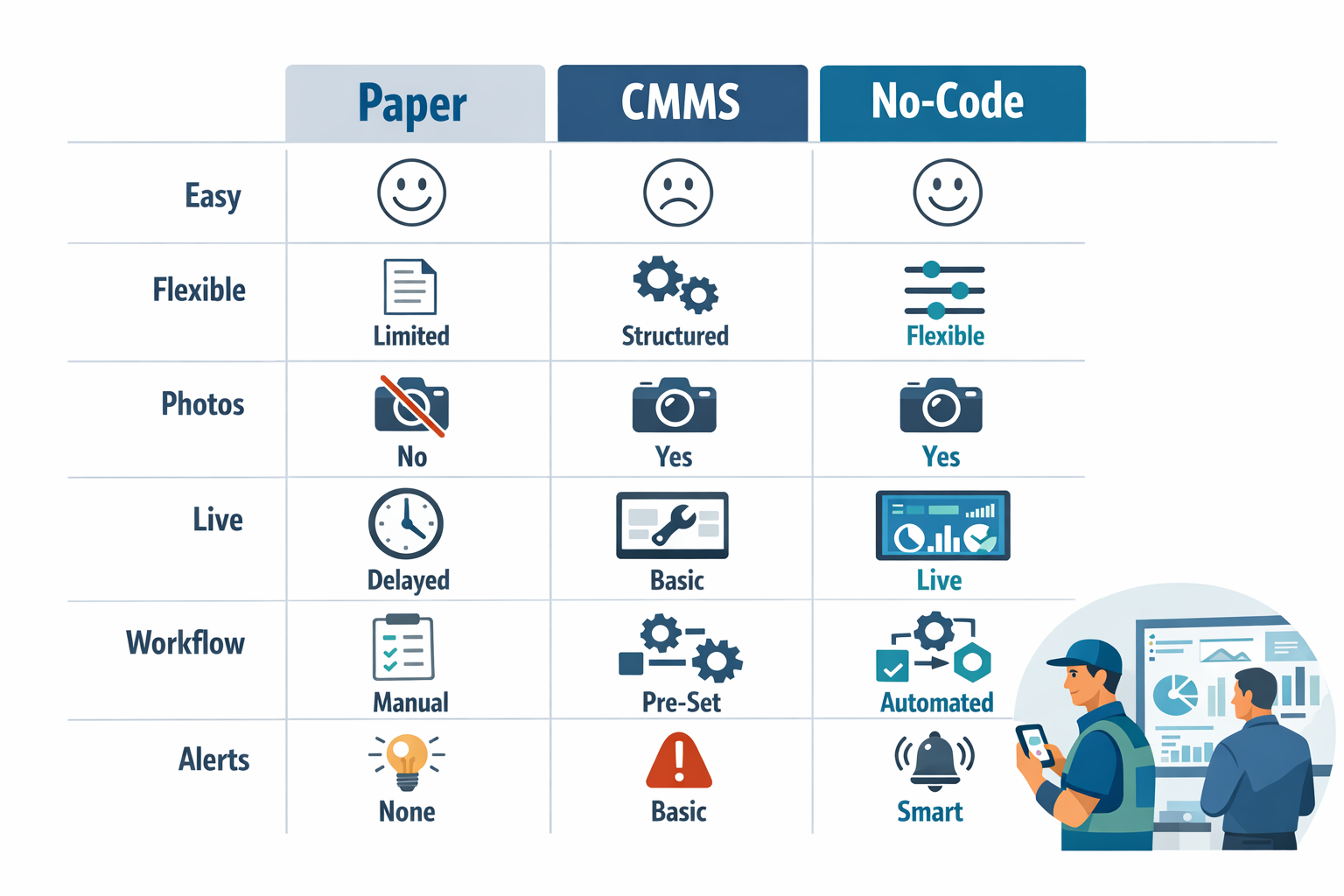
Với Jodoo, bạn có thể tạo các biểu mẫu kỹ thuật số linh hoạt để kiểm tra vệ sinh, xác nhận bôi trơn, kiểm tra siết chặt bu lông, kiểm tra đường tâm và báo cáo sự cố bất thường. Người vận hành có thể gửi số liệu, đánh dấu tiêu chuẩn, quét mã QR trên thiết bị và đính kèm ảnh trực tiếp từ dây chuyền sản xuất. Nếu phát hiện sự cố, thông báo tự động có thể cảnh báo ngay lập tức cho người giám sát khu vực hoặc trưởng nhóm bảo trì, trong khi việc xác nhận của người giám sát đảm bảo rằng các hành động tiếp theo được xác nhận thay vì chỉ được giả định.
Jodoo kết nối việc kiểm tra hàng ngày với quá trình cải tiến liên tục như thế nào?
Một điều mạnh mẽ bảo trì tự động TPM Hệ thống không chỉ đơn thuần là số hóa danh sách kiểm tra. Nó cần kết nối hoạt động hàng ngày của người vận hành với quản lý trực quan, leo thang vấn đề và phân tích tổn thất lặp lại. Jodoo hỗ trợ liên kết đó bằng cách kết hợp các biểu mẫu, tự động hóa quy trình làm việc và bảng điều khiển trong một môi trường duy nhất, nhờ đó dữ liệu do người vận hành thu thập trở nên hữu ích cho việc xem xét ca làm việc và các hành động cải tiến liên tục (kaizen).
Ví dụ, bảng điều khiển có thể hiển thị tỷ lệ hoàn thành theo dây chuyền, các loại lỗi phổ biến nhất theo máy móc, các lỗi lặp lại theo ca làm việc và các lỗi quá hạn theo người giám sát. Điều này giúp các điều phối viên Lean xem xét liệu... các bước bảo trì tự động Chúng đang được duy trì, chứ không chỉ mới được khởi động. Trên thực tế, điều đó có nghĩa là bảo trì thiết bị bởi người vận hành Nó trở nên dễ đo lường và dễ cải thiện hơn, thay vì chỉ là một bài tập tuân thủ.
Ví dụ thực tế: Dự án thí điểm nhà máy điện tử trên dây chuyền SMT
Hãy xem xét một nhà máy điện tử đang thử nghiệm Jodoo trên một dây chuyền SMT như một phần của quá trình thử nghiệm. Trụ AM TPM Triển khai. Các nhân viên vận hành hoàn thành danh sách kiểm tra hàng ngày trên thiết bị di động trước khi khởi động, bao gồm độ sạch của bộ cấp liệu, trạng thái áp suất khí và kiểm tra trực quan các kết nối khí nén. Khi một nhân viên vận hành phát hiện các khớp nối khí nén bị lỏng, họ đã báo cáo sự bất thường đó bằng hình ảnh, và người giám sát có thể nắm được các vấn đề tái diễn ngay trong ca làm việc thay vì phát hiện ra chúng vào cuối tuần.
Dự án thí điểm đó rất quan trọng vì nó cho thấy các công cụ không cần lập trình có thể hỗ trợ hoạt động thực tế tại xưởng sản xuất. Nhà máy không cần phải chờ đợi một dự án phần mềm lớn để số hóa quy trình. bảo trì do người vận hành thực hiện. Nó xây dựng quy trình làm việc tập trung trước tiên, xác minh việc áp dụng trên một dây chuyền sản xuất, sau đó sử dụng xu hướng trên bảng điều khiển để quyết định những điểm kiểm tra và quy tắc leo thang nào cần được chuẩn hóa trên các dây chuyền khác.
Khi mỗi lựa chọn đều hợp lý
Nếu bạn đang thử nghiệm một chương trình rất nhỏ, giấy vẫn có thể đủ cho một thử nghiệm ngắn hạn. Nếu ưu tiên của bạn là lập lịch cho kỹ thuật viên, sổ đăng ký tài sản và kiểm soát lệnh công việc chính thức, thì hệ thống CMMS vẫn rất quan trọng. Nhưng nếu mục tiêu trước mắt của bạn là tăng cường... bảo trì tự động, cải thiện phản hồi đối với các phát hiện của người vận hành và thực hiện bảo trì thiết bị bởi người vận hành Hiển thị rõ ràng xuyên suốt các ca làm việc, một nền tảng không cần lập trình như Jodoo mang lại cho bạn sự linh hoạt hơn khi sử dụng.
Trong nhiều nhà máy, giải pháp thiết thực nhất không phải là so sánh CMMS với phần mềm không cần lập trình, mà là CMMS kết hợp với một lớp thực thi tiền tuyến tốt hơn. Jodoo có thể đóng vai trò là lớp đó cho việc kiểm tra trên thiết bị di động, ghi nhận sự cố, xác minh của người giám sát và bảng điều khiển hiệu suất. Điều này làm cho nó trở nên phù hợp với các nhóm muốn chuyển đổi sang mô hình quản lý nhà máy hiệu quả hơn. bảo trì tự động TPM Chuyển từ quy trình thủ công trên giấy tờ thành một quy trình hàng ngày được quản lý và có khả năng mở rộng.
Kết luận: Xây dựng hệ thống bảo trì tự động có khả năng mở rộng với Jodoo
Thành công bảo trì tự động Hiệu quả của việc này không đến từ một buổi hội thảo duy nhất hay một danh sách kiểm tra được dán trên máy móc. Nó chỉ hiệu quả khi người vận hành tuân thủ các tiêu chuẩn rõ ràng hàng ngày, người giám sát xác nhận việc hoàn thành và đội ngũ bảo trì sử dụng dữ liệu để ngăn ngừa các sự cố lặp lại. Trên thực tế, điều đó có nghĩa là biến việc làm sạch, kiểm tra, bôi trơn, siết chặt, gắn nhãn các bất thường và các hành động theo dõi thành một hệ thống có thể lặp lại và duy trì hiệu quả xuyên suốt các ca làm việc, dây chuyền sản xuất và nhà máy.
Hãy tưởng tượng một giám sát sản xuất tại một nhà máy lắp ráp điện tử cần xác nhận rằng mọi dây chuyền SMT đều hoàn tất kiểm tra khởi động trước khi bo mạch đầu tiên được vận hành, hoặc một quản lý bảo trì tại một nhà máy chế biến thực phẩm muốn có cái nhìn tổng quan tức thời về các sự cố nhỏ thường xuyên xảy ra trên thiết bị đóng gói. Nếu không có một hệ thống có cấu trúc, những kiểm tra đó thường chỉ được ghi trên giấy, bị trì hoãn hoặc không bao giờ đến được đúng người. Với quy trình làm việc kỹ thuật số phù hợp, bảo trì tự động TPM Việc duy trì và cải thiện theo thời gian sẽ trở nên dễ dàng hơn.
Jodoo Nền tảng này cung cấp cho bạn một cách thiết thực để số hóa các quy trình chăm sóc vận hành, tiêu chuẩn hóa việc kiểm tra, tự động hóa việc theo dõi và theo dõi hiệu suất bằng bảng điều khiển thời gian thực. Là một nền tảng sản xuất tinh gọn không cần lập trình, nó giúp các nhà quản lý bảo trì, kỹ sư nhà máy và điều phối viên sản xuất tinh gọn mở rộng quy mô. bảo trì tự động không cần phát triển CNTT chuyên sâu.
Bắt đầu dùng thử miễn phí hoặc Đặt lịch dùng thử Hãy tìm hiểu cách Jodoo có thể giúp bạn xây dựng một hệ thống quản lý thiết bị đáng tin cậy và minh bạch hơn.