카테고리별로 찾아보기

100%
Paperless Shop Floor
15%
Reduction in Cycle Times
Over 95%
데이터 정확도
Sunshine Optoelectronic, a key player in the optoelectronic components industry, was grappling with the inefficiencies of traditional, paper-based manufacturing. By embracing a lean digital strategy, the company transformed its production reporting, packaging, and quality management, leading to a significant reduction in manual work, shorter manufacturing cycles, and a dramatic improvement in product quality.
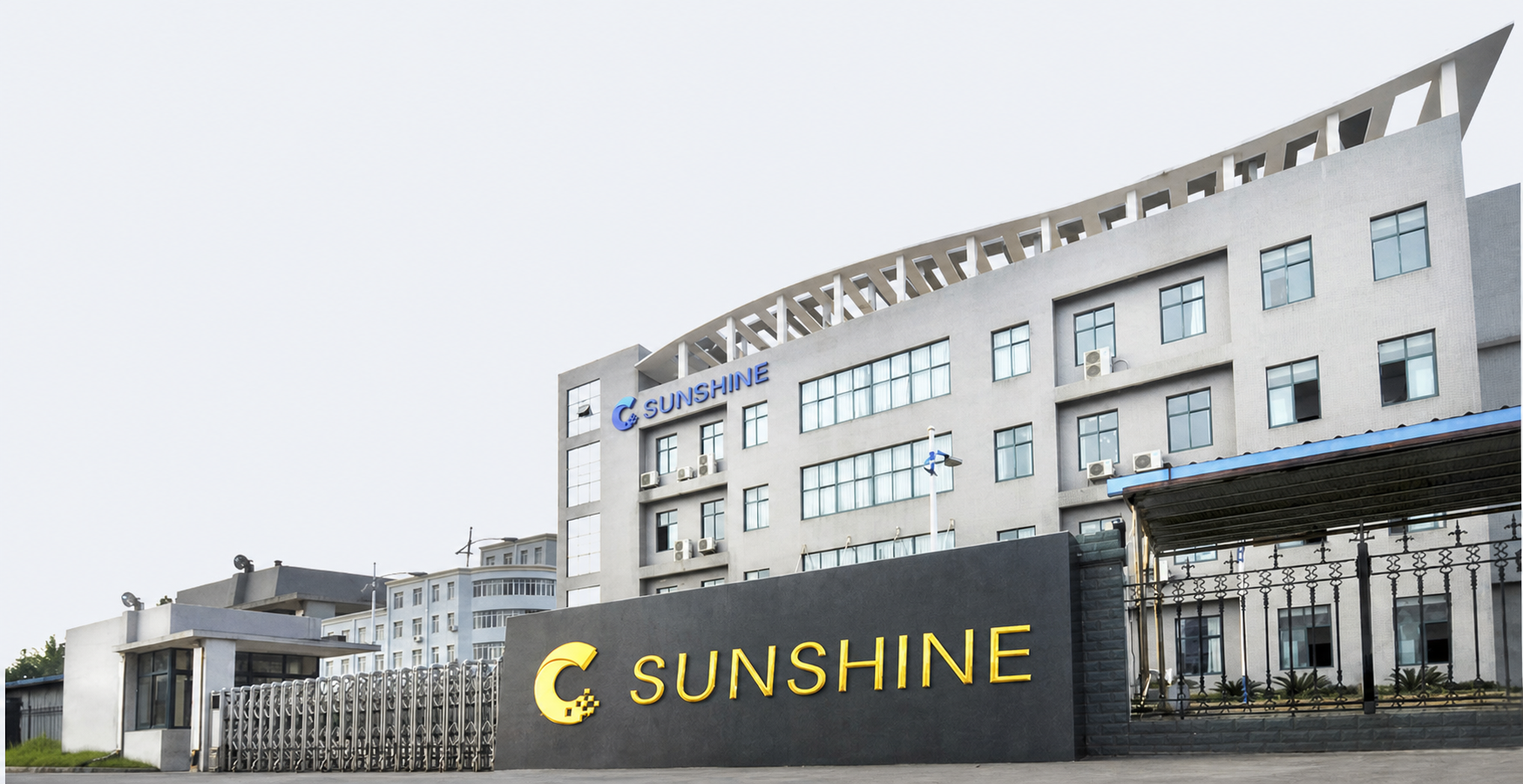
In the competitive world of high-tech manufacturing, efficiency and quality are not just goals; they are the bedrock of survival. For Sunshine Optoelectronic, this reality was the driving force behind a major operational overhaul. While the company was a leader in its field, its internal processes were stuck in the past, relying on cumbersome paperwork, manual data entry, and disconnected systems.
This reliance on outdated methods created a cascade of problems: production data was slow and often inaccurate, quality control was reactive, and valuable insights were buried in stacks of paper. The company’s leadership knew that to keep pace with their own ambitious goals, they needed a smarter, leaner, and more agile approach. They needed to bring their factory operations into the digital age.
This is the story of how Sunshine Optoelectronic, driven by a vision for lean manufacturing, empowered its teams to build a digital ecosystem from the ground up. By focusing on their most critical pain points—production reporting, packaging management, and quality control—they not only solved deep-rooted operational challenges but also cultivated a culture of continuous improvement that has positioned them for a new era of growth and innovation.
The Challenge: The Hidden Waste in a Paper-Based Factory
Before its digital transformation, Sunshine Optoelectronic’s shop floor was a hive of activity, but beneath the surface, it was running on a system plagued by inefficiency. The company’s reliance on paper-based workflows and manual data entry created significant “waste”—a core concept in lean management—that hindered productivity, slowed down decision-making, and compromised quality. The challenges were deeply rooted in their daily operations:
The Improvement Bottleneck: Good Ideas Lost in Paperwork
In a lean environment, continuous improvement (Kaizen) is paramount. However, at Sunshine Optoelectronic, the “Improvement Proposal” process was anything but lean. When a frontline worker had a valuable idea to improve a process, it had to be written down on paper and submitted through a multi-layered approval chain. This paper-based system was slow and cumbersome.
- Approval Gridlock: A single proposal could take days or even weeks to navigate the approval process, by which time the opportunity for immediate improvement was often lost.
- Lack of Visibility: Once a proposal was submitted, tracking its status was difficult, which sometimes slowed down the feedback loop for employees contributing ideas.
- No Data, No Proof: Paper proposals often lacked the rich context needed for a quick decision. Without photos or real-time data, it was difficult for managers to grasp the full scope of a problem, leading to endless back-and-forth and delayed action.
The Data Black Hole: Making Decisions in the Dark
While real-time data is critical for modern manufacturing, Sunshine Optoelectronic’s data collection methods were still largely manual. Production data, quality checks, and equipment status were all recorded by hand.
- Delayed Insights: Manual data collection was time-consuming. By the time data was compiled into spreadsheets, it was often outdated, making it difficult for managers to make real-time decisions.
- Poor Traceability: When a quality issue arose, tracing it back to its source required sifting through physical documents. This made root cause analysis slower and more difficult, meaning the same problems often recurred.
- No Foundation for Improvement: Without a reliable data foundation, it was impossible to measure the effectiveness of improvement initiatives. The impact of a change was based on guesswork and anecdotal evidence rather than hard numbers, undermining the entire lean philosophy.
The Production Line Disconnect: A Lack of Real-Time Control
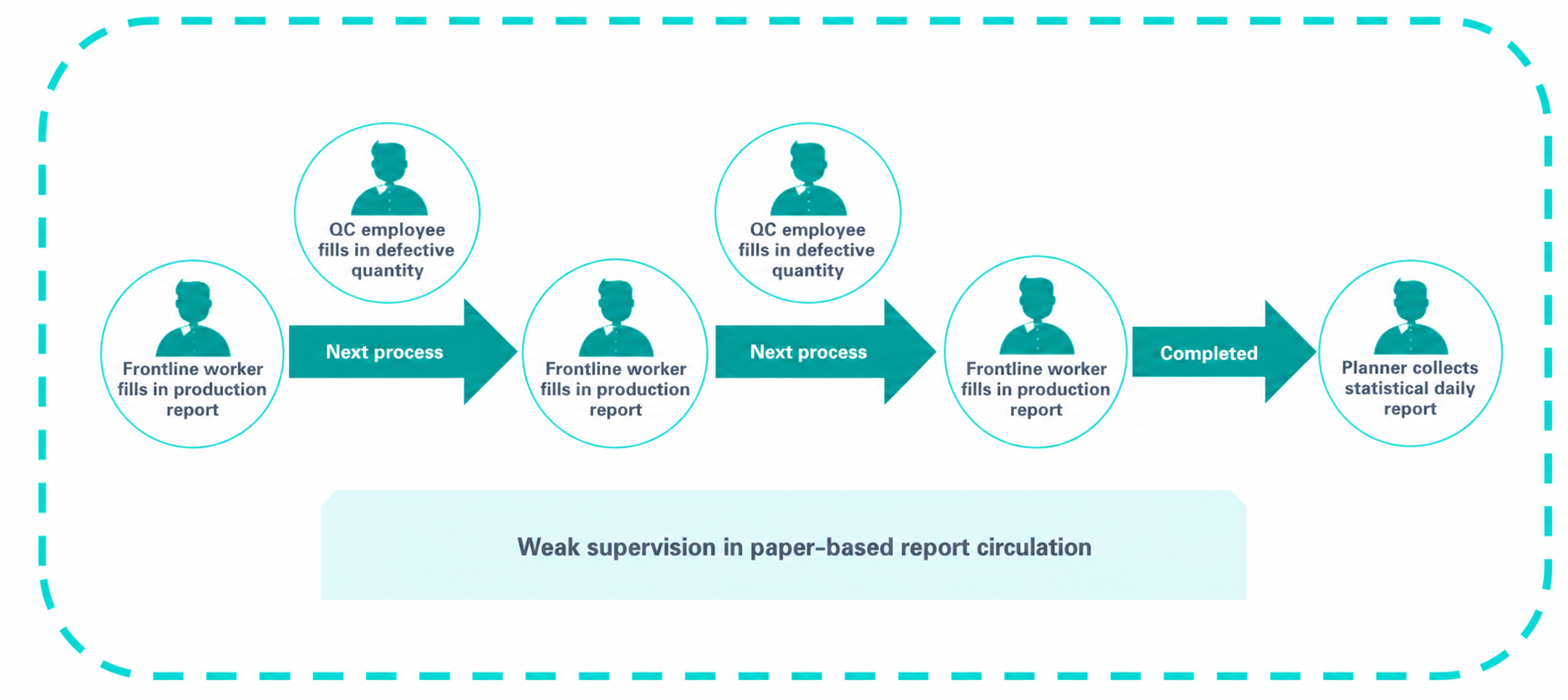
The disconnect between the physical shop floor and the digital management systems was most apparent in the production reporting process. Tracking work-in-progress, managing production schedules, and ensuring the right components were in the right place at the right time were a constant struggle.
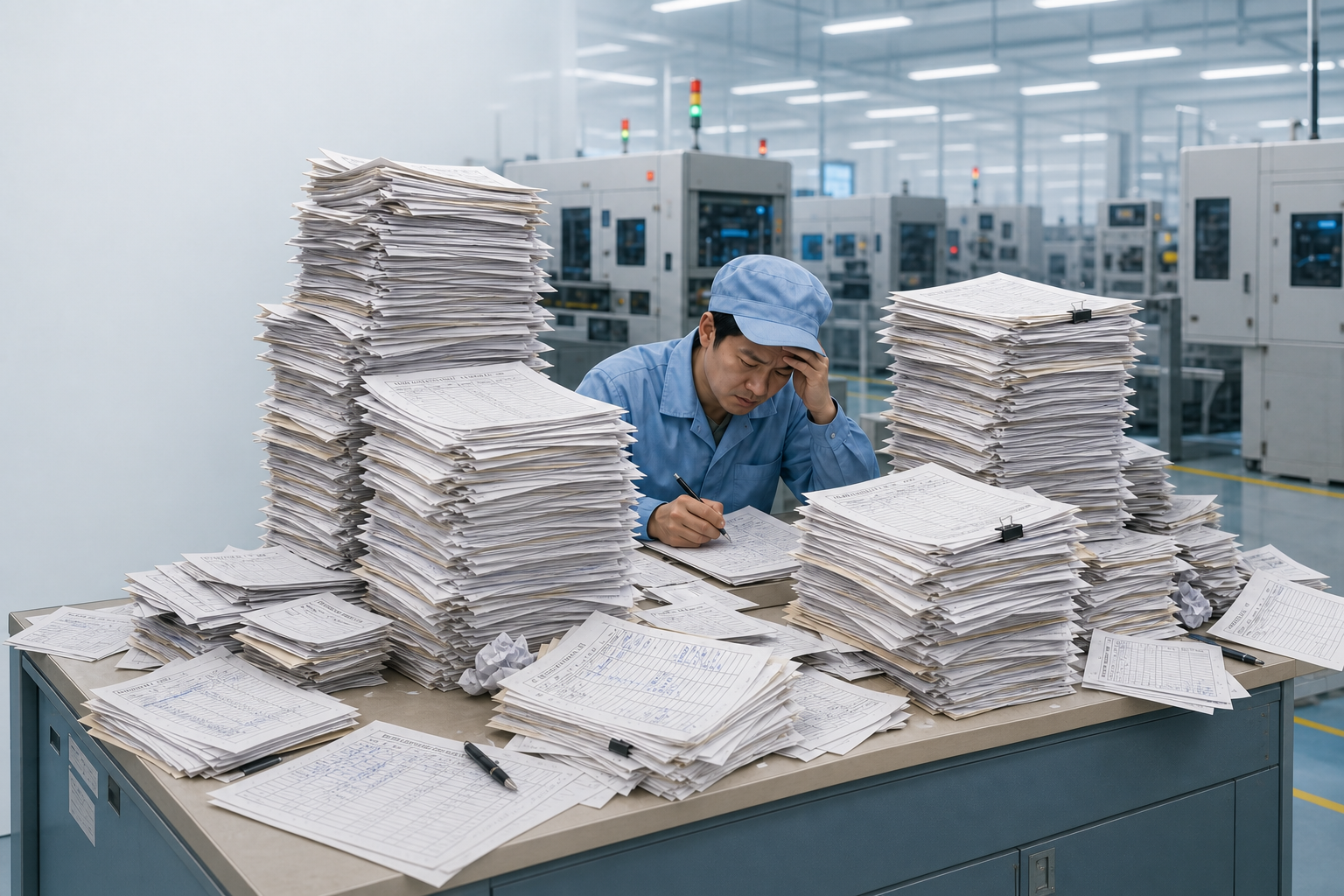
- Manual Workflows: Every step, from issuing work orders to reporting production output, was a manual, paper-driven process. This not only consumed a significant amount of time and resources but also created countless opportunities for errors.
- Zero Transparency: Management had very little real-time visibility into the shop floor. They couldn’t see bottlenecks as they formed, track order progress accurately, or respond quickly to unexpected disruptions. This lack of transparency made it difficult to manage production effectively and meet delivery deadlines consistently.
Sunshine Optoelectronic was at a crossroads. They had a skilled workforce and a culture of quality, but their outdated processes were holding them back. They needed a way to eliminate the waste, break down the data silos, and empower their teams with the real-time information needed to drive a truly lean operation. The answer lay not in a massive, top-down IT project, but in a flexible, bottom-up approach to digital transformation.
The Solution: A Frontline-driven Digital Revolution in Lean Manufacturing
Instead of waiting for a large, complex, and expensive IT project, Sunshine Optoelectronic took a different path. They embraced a lean, agile approach to digitalization, empowering their own business teams to become the architects of their transformation. Using a flexible, no-code platform, they began tackling their biggest challenges one by one, building custom applications that were perfectly tailored to their unique workflows. This citizen-led revolution was built on three key pillars:
Mobile Production Reporting: From Paper to Real-Time Transparency
The paper-based production reporting system was the heart of the factory’s inefficiency. The goal was to create a seamless, mobile-first workflow that would provide real-time visibility into the entire production process.
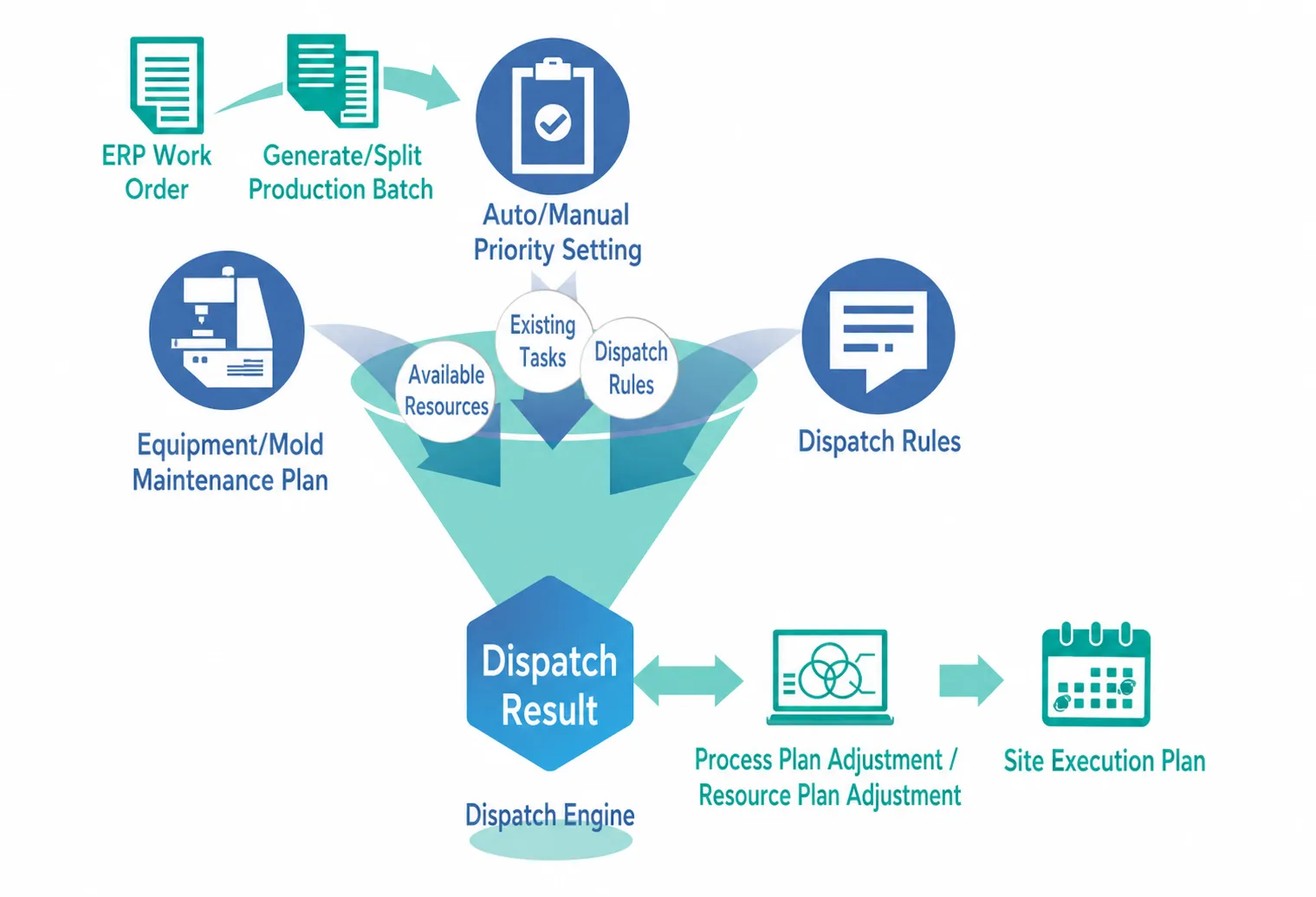
- Digitizing the Work Order: The process begins with the production plan. Instead of printing stacks of paper, the system now generates a unique QR code for each production order. This QR code, containing all the necessary information about the product, quantity, and process route, becomes the digital “traveler” that accompanies the product through the factory.
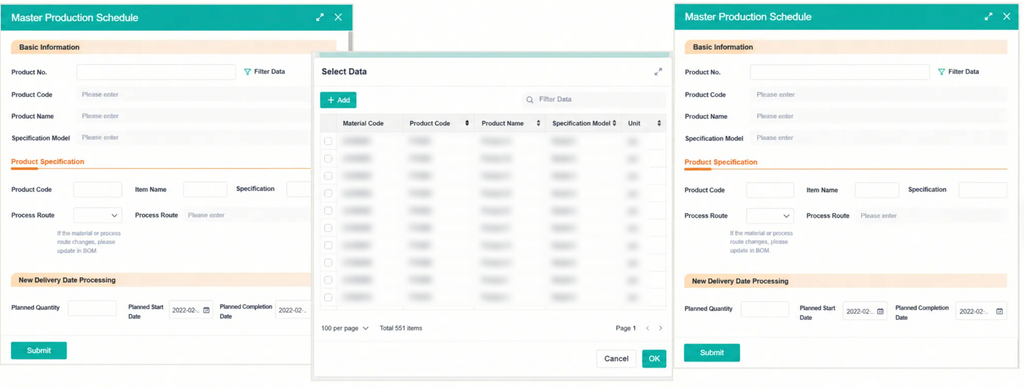
- Empowering the Frontline: On the shop floor, workers are equipped with mobile devices. To report their progress, they simply scan the QR code on the production traveler. This instantly brings up a simple, intuitive form on their device, pre-filled with all the relevant order information. The worker only needs to input the quantity produced and any relevant notes. This one-scan, one-click process replaced the tedious task of filling out paper forms by hand.
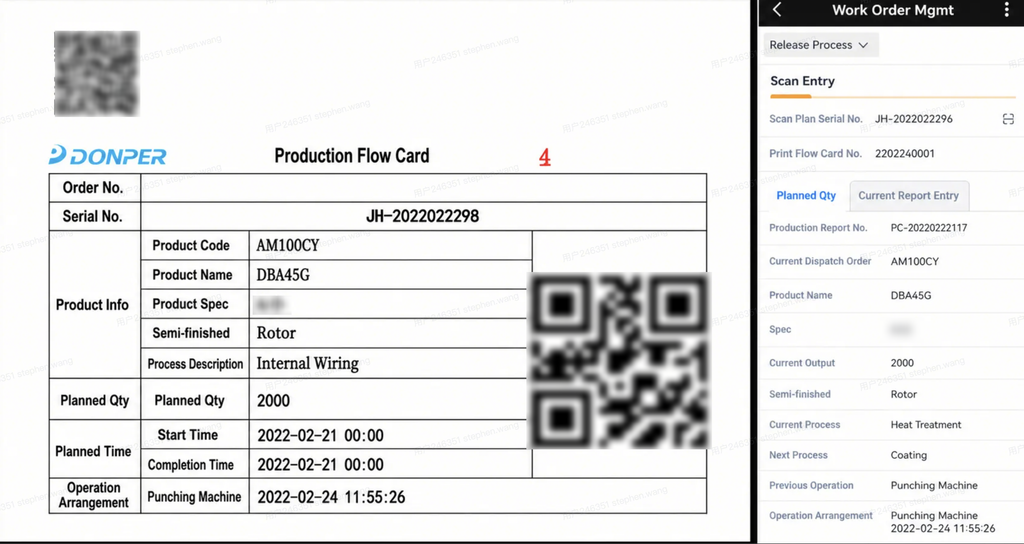
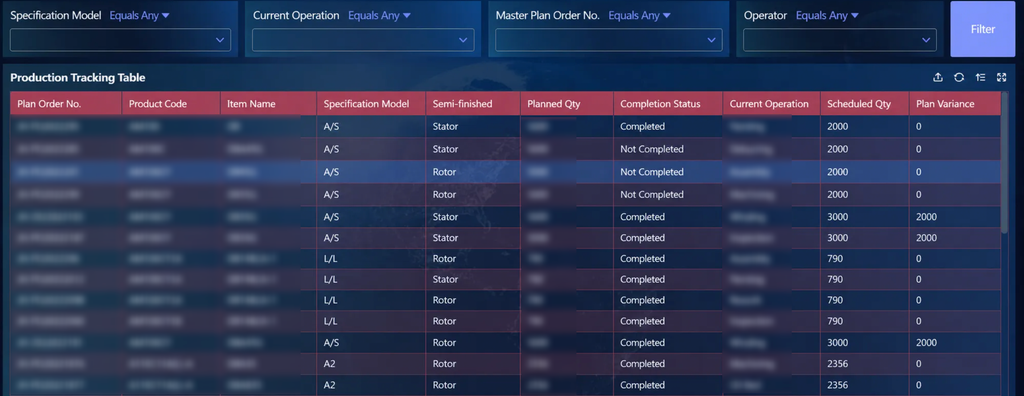
- Real-Time Visibility for All: The moment a worker submits a report, the data is instantly available in the central system. This means that managers, planners, and executives can see the real-time status of every order, from anywhere, at any time. They can monitor production output, track progress against the plan, and identify bottlenecks as they happen, not hours or days later. This real-time data stream became the foundation for a new level of agile production management.
Production Packaging Management: Error-Proofing the Final Step
The packaging and shipping process was another area ripe for lean improvement. The manual process of matching products to boxes and labels was a frequent source of errors, leading to costly rework and customer complaints. The team designed a simple yet powerful application to digitize and error-proof the entire workflow.
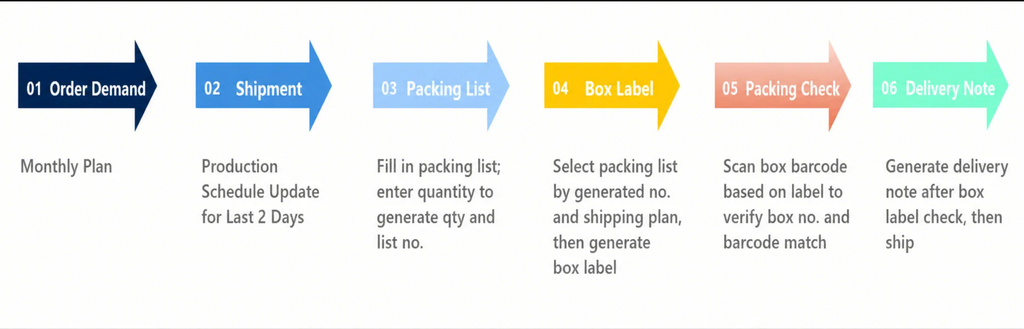
- System-Driven Accuracy: In the new system, all product and order information is pulled directly from the ERP. When a worker is ready to pack an order, they scan the order’s barcode. The system then knows exactly what products, and in what quantity, should be in the box. The worker simply enters the quantity being packed.
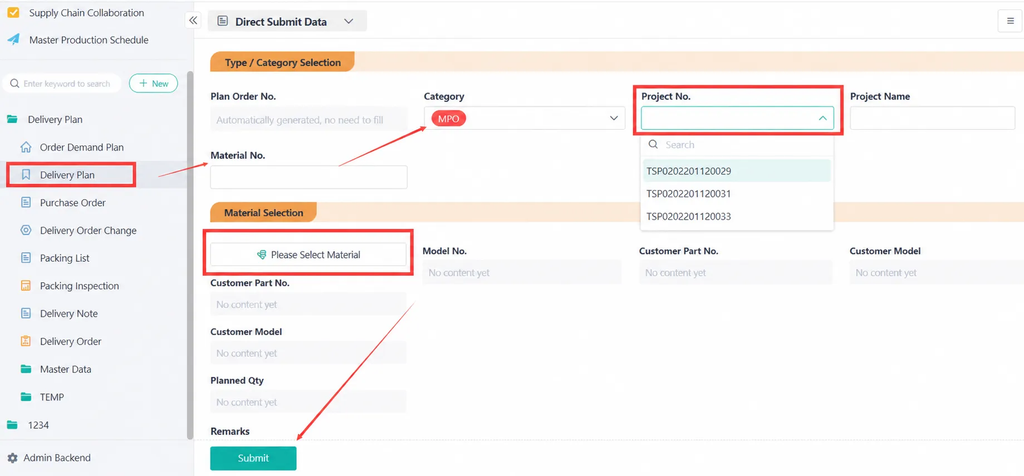
- Automated Validation: The system’s core intelligence lies in its ability to prevent errors before they happen. Based on the product type, the system automatically determines whether different items can be mixed in the same box. This simple validation rule eliminated the risk of human error, ensuring that every box was packed correctly, every time.
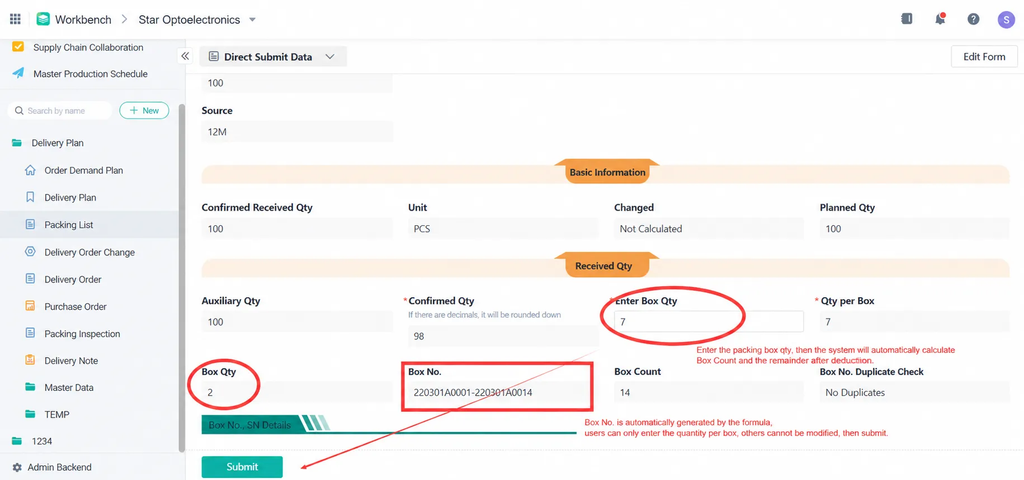
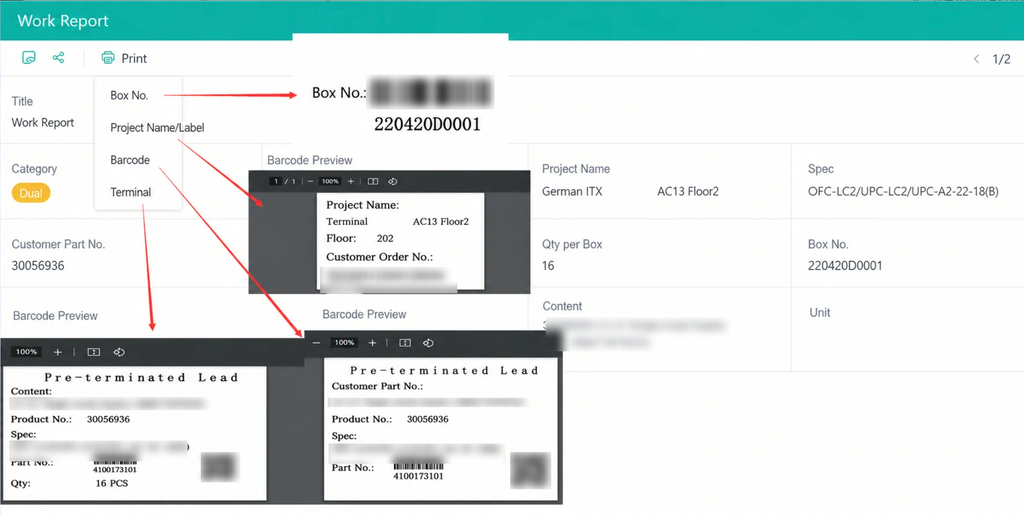
- Seamless Labeling and Inspection: Once a box is packed, the system generates and prints all the necessary labels automatically. When a quality inspector checks a shipment, they no longer need to open boxes and manually verify the contents. They simply scan the barcode on the box, and the system instantly confirms whether the contents are correct. This dramatically sped up the inspection process and provided a new level of quality assurance.
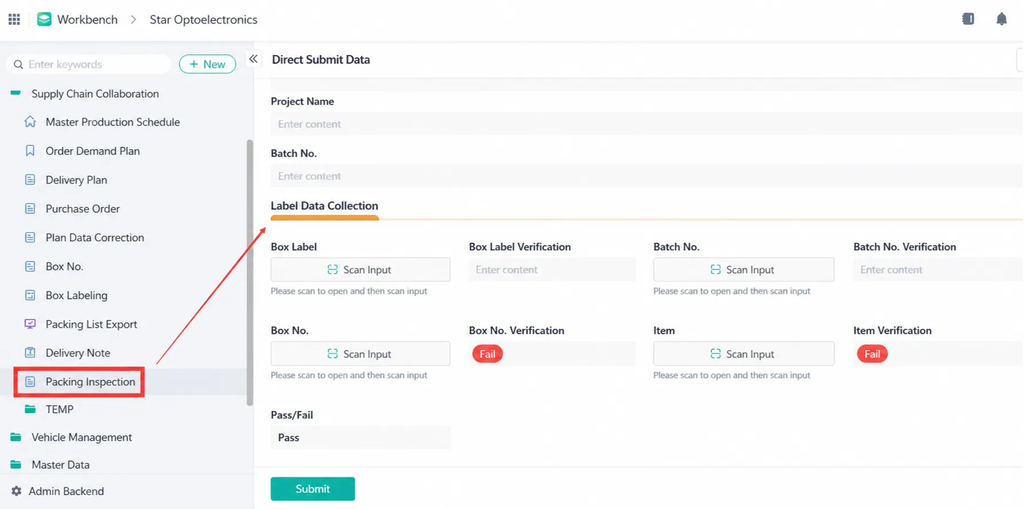
A Digital QMS: Building Quality into the Process
To truly embrace lean principles, quality cannot be an afterthought; it must be built into every step of the process. Sunshine Optoelectronic used the same no-code approach to build a comprehensive Quality Management System (QMS) that transformed their quality control from a reactive to a proactive function.
- Connecting the Dots: The new QMS integrates seamlessly with the company’s ERP and the other custom applications. This means that quality data is no longer isolated. When a raw material arrives from a supplier or a semi-finished product moves from one production line to another, the QMS is automatically triggered to create a quality inspection task.
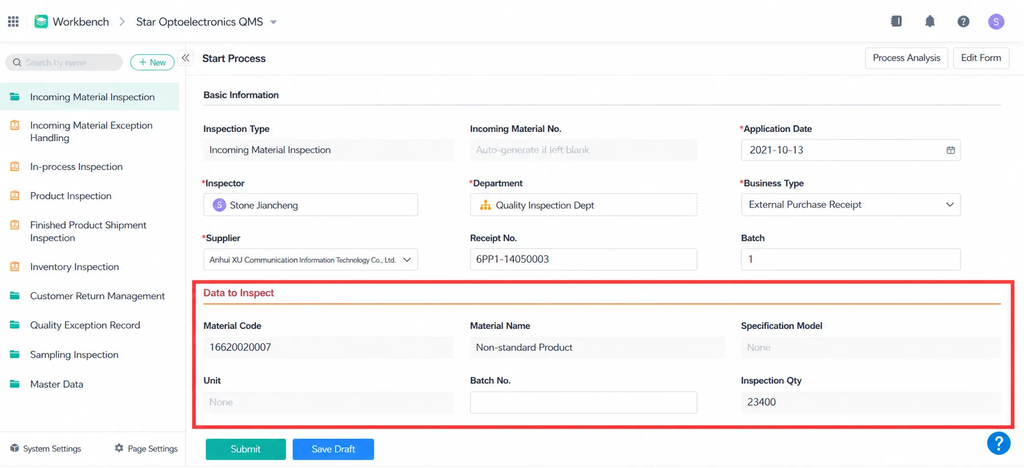
- Data-Driven Inspections: Inspectors are guided through a digital checklist on their mobile devices, ensuring that every inspection is performed consistently and to the correct standard. They can capture photos, record measurements, and document any non-conformances in real time. This created a rich, searchable database of quality information.
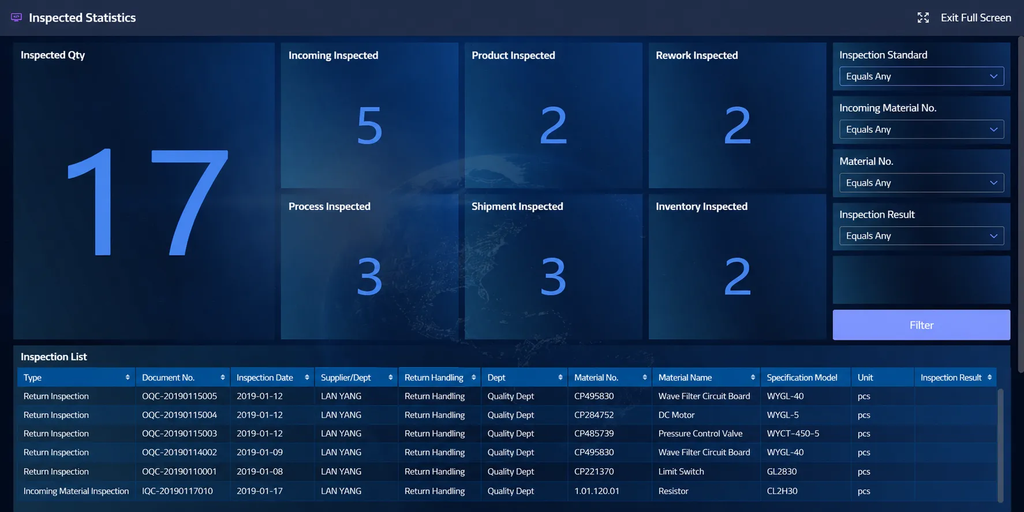
- From Reactive to Proactive: With all quality data centralized and easily accessible, the team could shift their focus from reactive troubleshooting to proactive problem-solving. They could analyze trends, identify the root causes of defects, and track the performance of suppliers and production lines over time. The system’s real-time dashboards provided an at-a-glance view of the factory’s quality health, enabling managers to spot potential issues and intervene before they became major problems.
By putting the power of digitalization directly into the hands of the people who knew the processes best, Sunshine Optoelectronic didn’t just build a few applications; they built a new engine for continuous improvement. This lean, grassroots approach allowed them to solve their most pressing problems with incredible speed and agility, laying the groundwork for a smarter, more connected factory of the future.
The Results: A Leaner, Faster, and Smarter Factory
The impact of Sunshine Optoelectronic’s grassroots digital transformation was both immediate and profound. By replacing their clunky, paper-based workflows with agile, data-driven applications, they unlocked a new level of operational excellence. The results went far beyond simply digitizing forms; they fundamentally changed how the company managed its production, quality, and continuous improvement processes.
Here is a summary of the key improvements:
| 주요 성과 지표 | Before: The Paper-Based Way | After: The Lean Digital Way |
|---|---|---|
| Production Reporting | Manual data entry, 24-hour delay | Real-time, mobile scanning |
| 데이터 정확도 | Prone to human error | Over 95% accuracy |
| Packaging Errors | Frequent mix-ups and rework | Near-zero errors due to system validation |
| Quality Issue Traceability | Days of sifting through paper | Instant traceability via digital records |
| Improvement Proposal Cycle | Weeks of manual approvals | 1-2 days for digital workflow |
| Manufacturing Cycle Time | Extended by manual processes | Reduced by 15% |
| 종이 사용량 | 매달 수천 장 | 100% paperless on the shop floor |
A Clear View of the Shop Floor
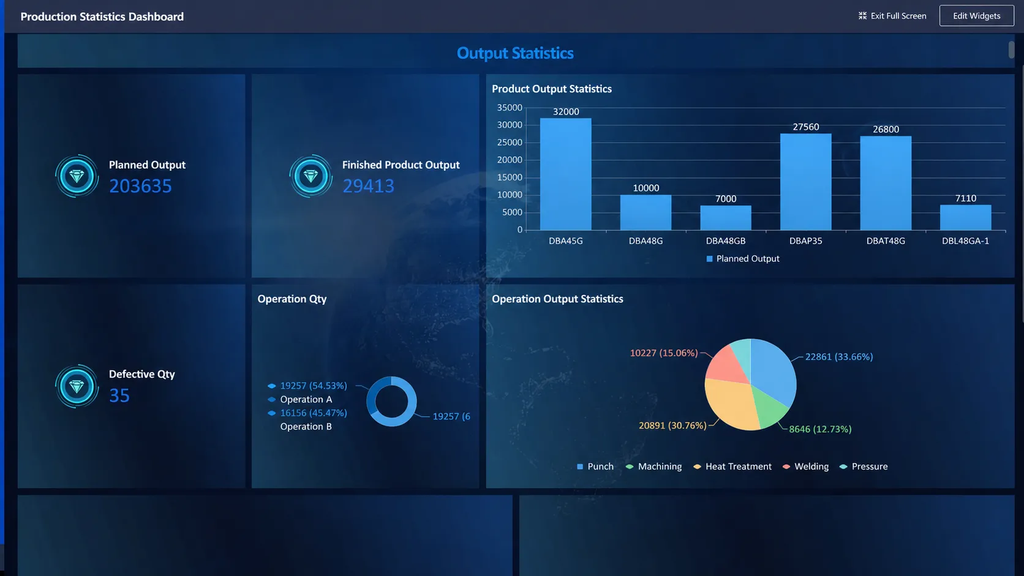
The most significant change was the newfound transparency. The real-time data flowing from the shop floor gave managers an unprecedented, up-to-the-minute view of their entire operation.
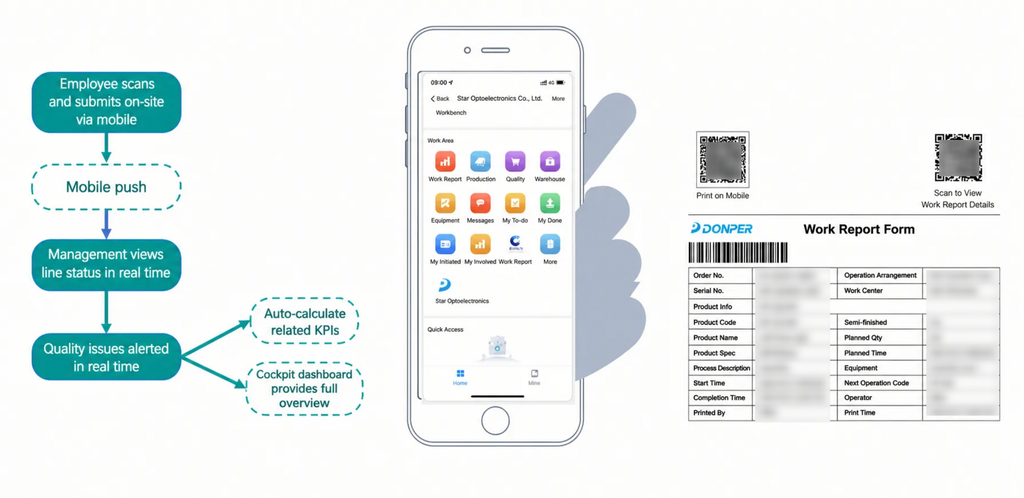
- Manufacturing Execution Transparency: The mobile production reporting system eliminated the data lag. Managers could now track production progress in real time, identify bottlenecks instantly, and make proactive adjustments to keep production on schedule.
- Shorter Manufacturing Cycles: By automating manual tasks and streamlining workflows, the company significantly reduced the time it took to get products through the factory. The time saved on paperwork, data entry, and error correction translated directly into shorter lead times and faster order fulfillment.
- Drastic Cost Reductions: The move to a paperless factory floor delivered significant cost savings. The reduction in paper, printing, and storage costs was substantial, but the biggest savings came from the reduction in waste. By preventing packaging errors and enabling faster root cause analysis of quality issues, the company minimized costly rework and product scrap.
A Culture of Quality and Continuous Improvement
The digital QMS and the streamlined safety management system fostered a powerful new culture of quality and accountability.
- Improved Product Quality: The digital QMS provided the tools for true, data-driven quality management. By tracking quality metrics in real time and analyzing trends, the quality team could identify and address the root causes of defects, leading to a measurable improvement in product quality and a reduction in customer complaints.
- Empowered Employees: The new systems were not just tools for management; they were tools for empowerment. Frontline workers were empowered to be active participants in the continuous improvement process. The easy-to-use mobile apps and the transparent data dashboards gave them the information and the agency to do their jobs more effectively and contribute to the company’s success.
Future Outlook: Building the Smart Factory of Tomorrow
For Sunshine Optoelectronic, this grassroots digital transformation is not the end of the journey; it is the beginning of a new chapter. The success of their initial projects has created a powerful momentum for innovation, and the company is now looking to build on this foundation to create a truly smart, connected factory.
From Data Collection to Data Intelligence
The company’s vision extends far beyond simple data collection. As the CIO of Sunshine Optoelectronic explains, “Many traditional enterprises’ information management may still be limited to data entry and output; they are far from being able to adapt to the market’s requirements in the current era of great historical change.”
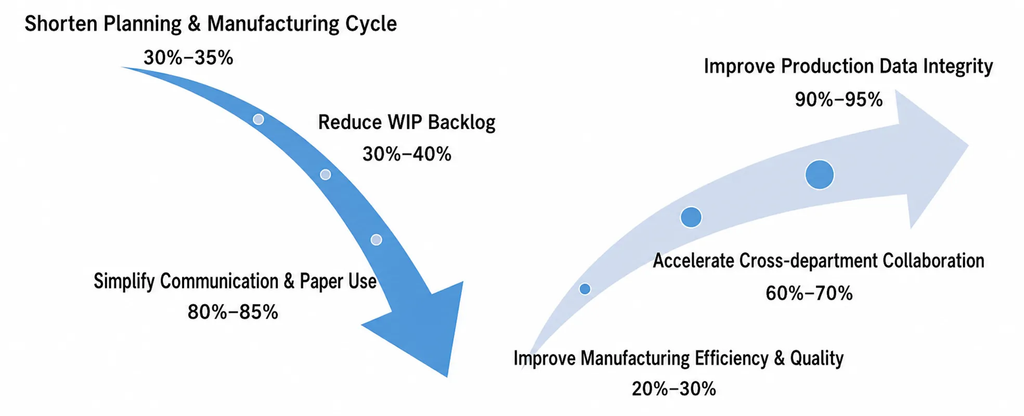
The next phase of their strategy is to turn the vast amounts of data they are now collecting into predictive, actionable intelligence. The plan is to create a “smart manufacturing data screen”—a central command center that provides a holistic, real-time view of the entire factory. This will enable them to not only monitor performance but also to use advanced analytics to predict maintenance needs, optimize production schedules, and identify opportunities for improvement before they become problems.
“We believe that on the road of smart manufacturing, we can develop faster and healthier,” says the CIO.
Lessons from the Lean Digital Journey
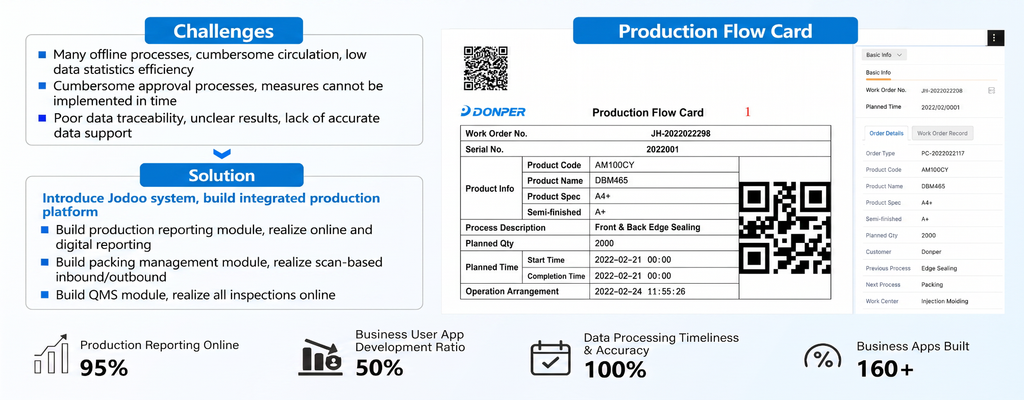
Sunshine Optoelectronics’ success was not just about technology; it was about a new way of thinking and working. Their journey offers a powerful blueprint for other manufacturing companies looking to embrace a lean digital future. Their key lessons learned include:
- Think Like the Business: The most successful solutions come from a deep understanding of the business’s real-world pain points. Technology should serve the business, not the other way around.
- Solve Problems Incrementally: Don’t try to boil the ocean. Start small, focus on the biggest pain points, and deliver value quickly. This builds momentum and gets buy-in from all levels of the organization.
- Data Quality is Everything: A smart factory is only as smart as its data. Ensuring the accuracy, completeness, and timeliness of data from the very beginning is the essential foundation for any successful digital transformation.
- Empower Your People: The most powerful force for innovation is your own workforce. By giving business users the tools and the autonomy to solve their own problems, companies can unleash a wave of creativity and drive a culture of continuous improvement.
By staying true to these principles, Sunshine Optoelectronic has created a powerful and sustainable model for innovation. They have proven that with the right strategy and the right tools, any manufacturing company can turn its own employees into a powerful engine for digital transformation, building a leaner, smarter, and more competitive future, one application at a time.
나만의 린 경영 혁명을 시작할 준비가 되셨나요? 팀원들이 효율성을 높이고 안전을 개선하며 새로운 가치를 창출하는 데 필요한 도구를 구축할 수 있도록 지원하는 방법을 알아보세요.
[Jodoo 데모를 요청하세요]