Browse by category

Over $500,000
Annual Cost Savings
Over 80%
Reduction in PTW Time
Over 99%
Reduction in EHS Alert Delivery Time
Liuzhou Iron & Steel Group (Liuzhou Steel), a global top-50 steel producer, operates on a scale where every second and every ounce of material matters. With over 30 factories, 25,000 employees, and a revenue exceeding $15 billion, the pursuit of operational excellence is not just a goal—it’s a survival imperative. In the high-stakes world of steel manufacturing, where safety and efficiency are paramount, Liuzhou Steel embarked on a digital transformation journey to bring its lean management principles to the front lines. This is the story of how they moved from paper-clogged processes to a data-driven, mobile-first operation, empowering their workforce and achieving dramatic gains in safety, compliance, and efficiency.

The Challenge: The Paper-Based Bottleneck in a Digital World
Despite its advanced machinery and massive scale, Liuzhou Steel’s on-the-ground processes—such as work permits, equipment inspections, and safety compliance—still relied heavily on manual paperwork. This reliance on physical documentation created four major bottlenecks that hindered their lean management objectives.
The Permit to Work (PTW) Gridlock
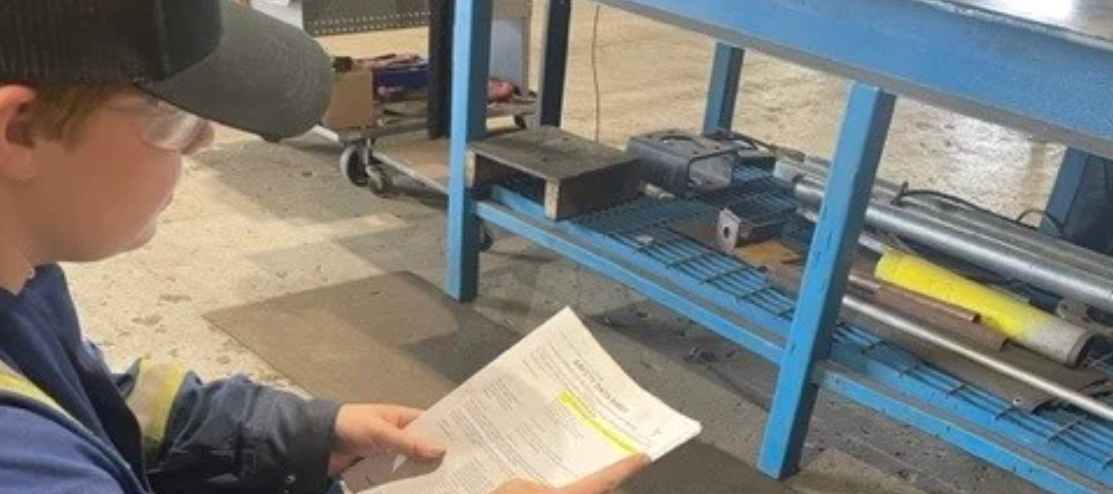
In a steel plant, high-risk activities like hot work, confined space entry, and temporary electrical work are a daily reality. Each of these tasks requires a Permit to Work (PTW) — a critical safety document subject to multi-level approval. The process was entirely manual. A worker needing a permit would have to physically carry a paper form from one manager to another for signatures. If a manager was in a meeting or on the other side of the massive plant, the process would grind to a halt. It could take hours, sometimes an entire day, to get a single permit approved, leaving skilled workers idle and delaying critical maintenance. With over 200 permits a month, this created a mountain of paperwork—up to 7,000 documents in storage—which created significant operational challenges for audits and retrospective reviews.
The Equipment Inspections: Lacked Real-time Verification
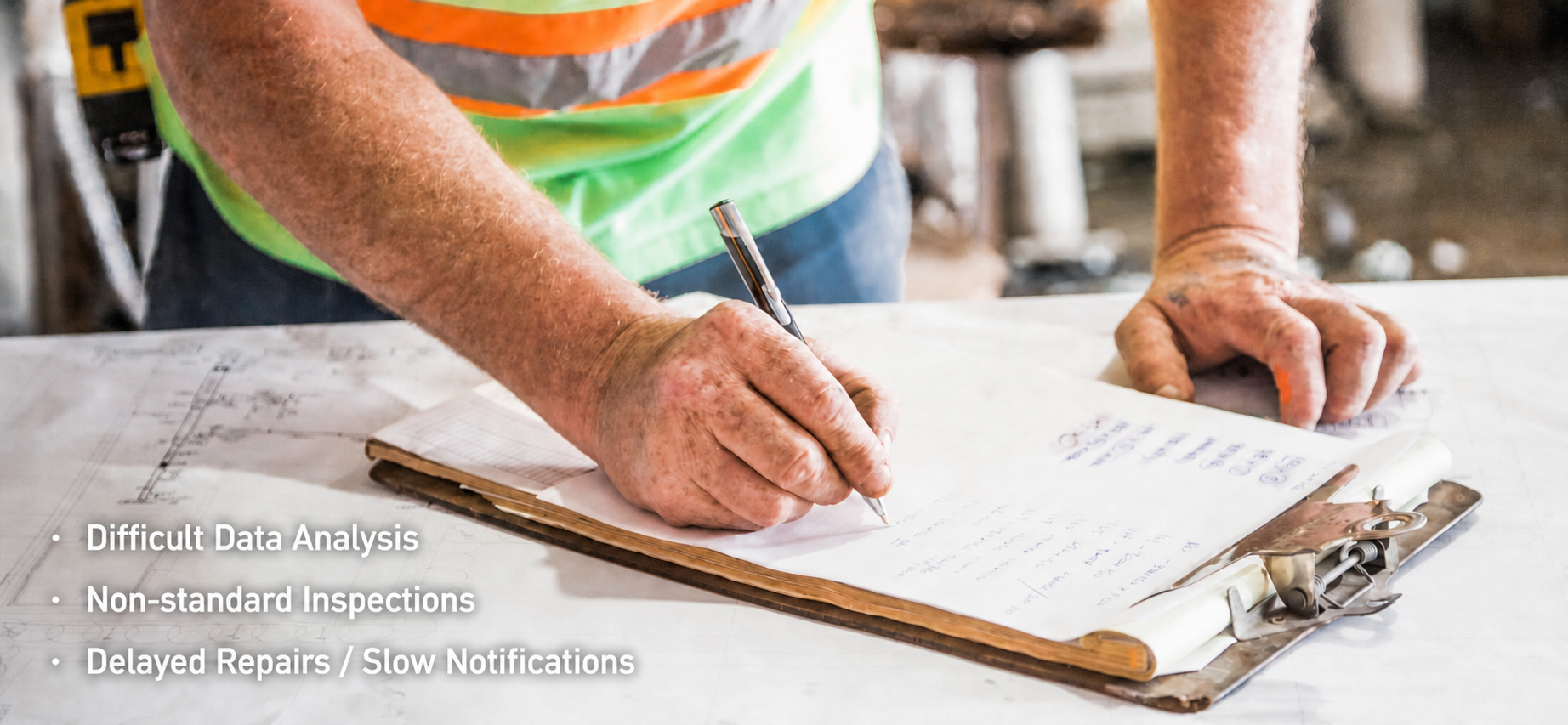
With thousands of pieces of equipment spread across 10 production lines in the cold rolling plant alone, regular inspections are the lifeblood of preventative maintenance. However, the paper-based inspection process lacked real-time verification. Technicians recorded data on clipboards, making it difficult for managers to track inspection routes or verify equipment status instantly. This visibility gap meant that early signs of wear and tear could be missed, increasing the risk of unexpected breakdowns that could halt an entire production line and cause massive financial losses.
The EHS Black Hole: Delayed Reactions to Danger
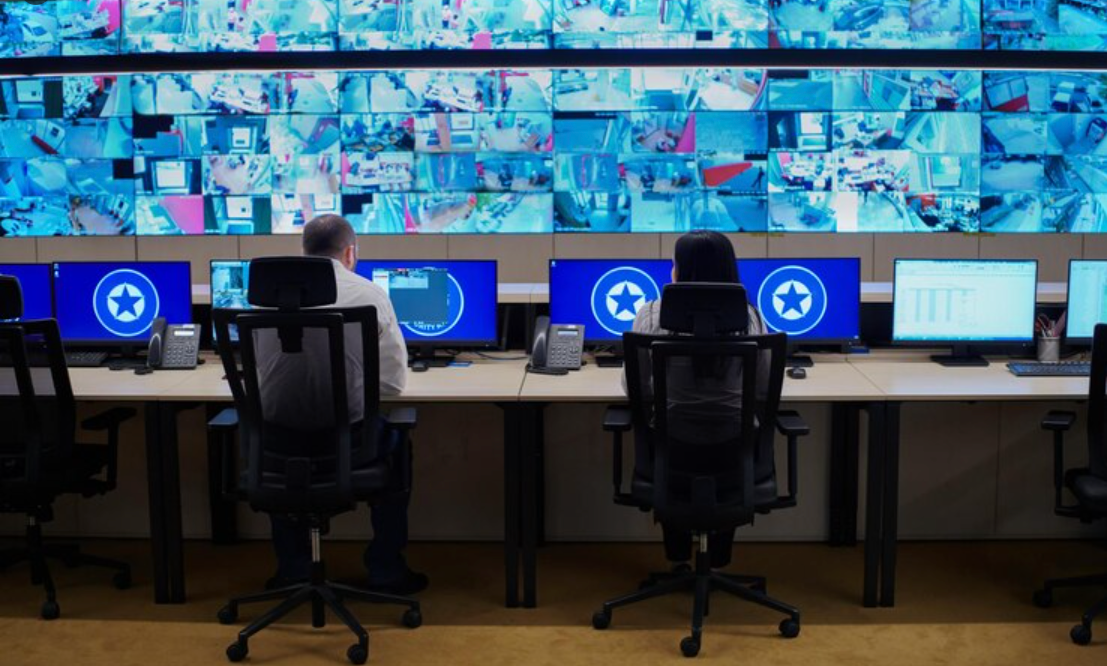
Environment, Health, and Safety (EHS) compliance is non-negotiable. While the plant had a centralized control room to monitor for hazardous gases and fire alarms, the alert escalation process was manual. An operator had to monitor the screens and use a telephone to contact the responsible manager when an alarm triggered. This manual communication step introduced potential delays in a time-sensitive environment.
The Data Disconnect: A Wealth of Information, Trapped on Paper
Every paper form—every permit, every inspection checklist, every repair order—contained valuable data. However, extracting insights from physical documents was challenging. Data stored in filing cabinets was difficult to aggregate and analyze quickly. Managers lacked real-time visibility into maintenance backlogs, inspection compliance rates, or recurring safety issues, making it harder to make proactive, data-driven decisions.
The Solution: A Mobile-First Revolution in On-Site Lean Management
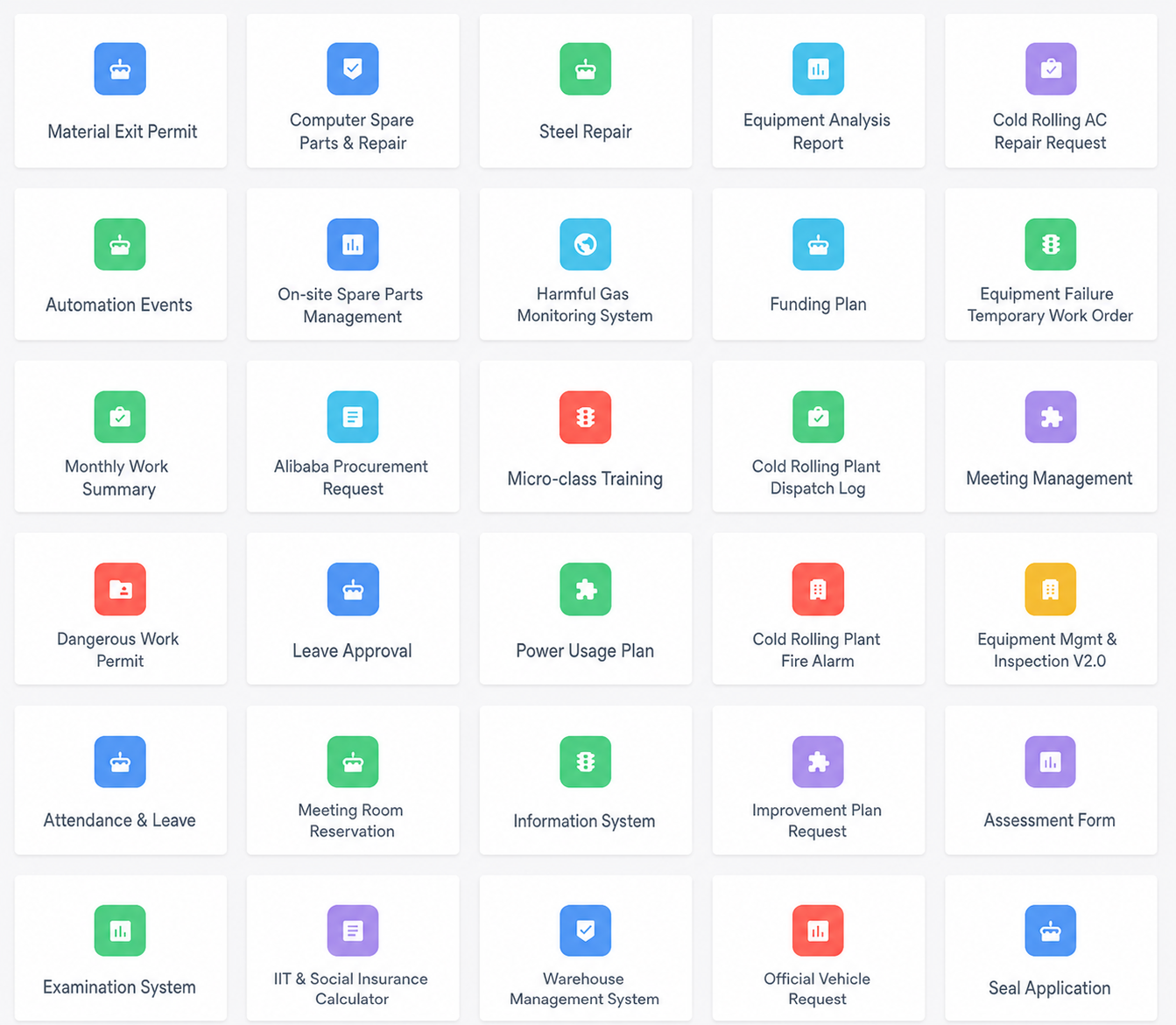
Liuzhou Steel’s answer was to put the power of data directly into the hands of its frontline workers. They used a no-code platform to rapidly build and deploy a suite of mobile applications that digitized their most critical on-site processes. Instead of a top-down IT megaproject, this was a frontline-driven initiative focused on solving real-world operational challenges. The solution centered on four key lean scenarios.
On-Site Work Permits (PTW): From Hours to Minutes
The paper-based permit process was replaced with a simple mobile app. Now, a worker can request a permit directly from their phone. The request instantly triggers a workflow, sending a notification to each required approver in sequence. Managers receive the alert on their mobile devices and can review and digitally sign the permit from anywhere—whether they are in a meeting or on the factory floor. The entire process, from request to approval, was reduced from hours to just 30 minutes. This eliminated worker idle time, accelerated maintenance schedules, and created a fully digital, auditable trail for every permit, ensuring 100% compliance with a simple, elegant solution.
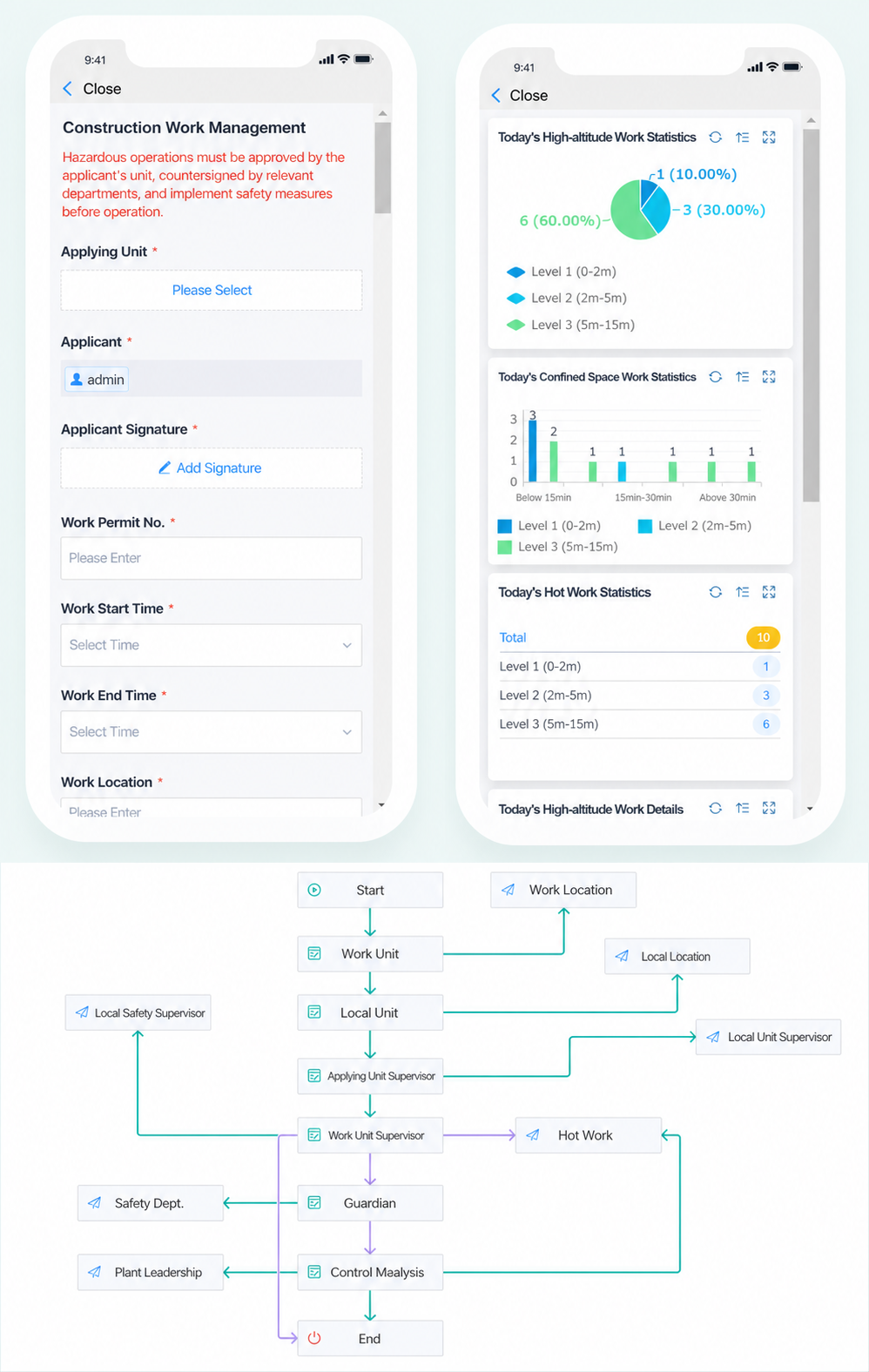
Equipment Inspections: QR Codes for 100% Accountability
Liuzhou Steel generated a unique QR code for every single piece of equipment and attached it to the machine. To complete an inspection, a technician must now use their mobile device to scan the QR code on the equipment. This action proves they are physically present at the machine and automatically pulls up the correct digital inspection form. This ensures that every inspection is done correctly and at the right location.
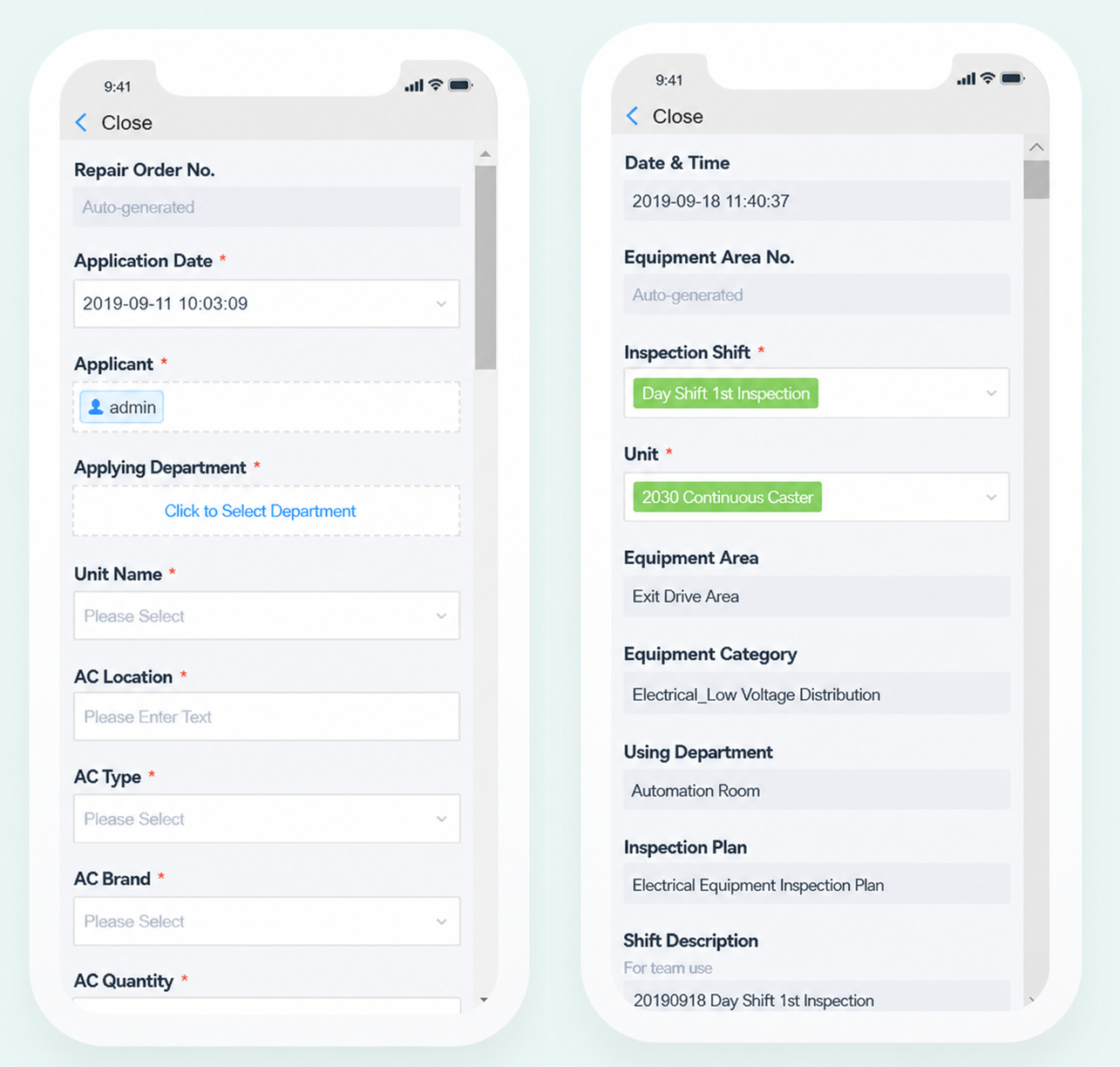
The data is instantly uploaded to a central dashboard, giving managers real-time visibility into the health of their equipment and the status of all inspection routes.
EHS Compliance: Automated Alerts for Instant Response
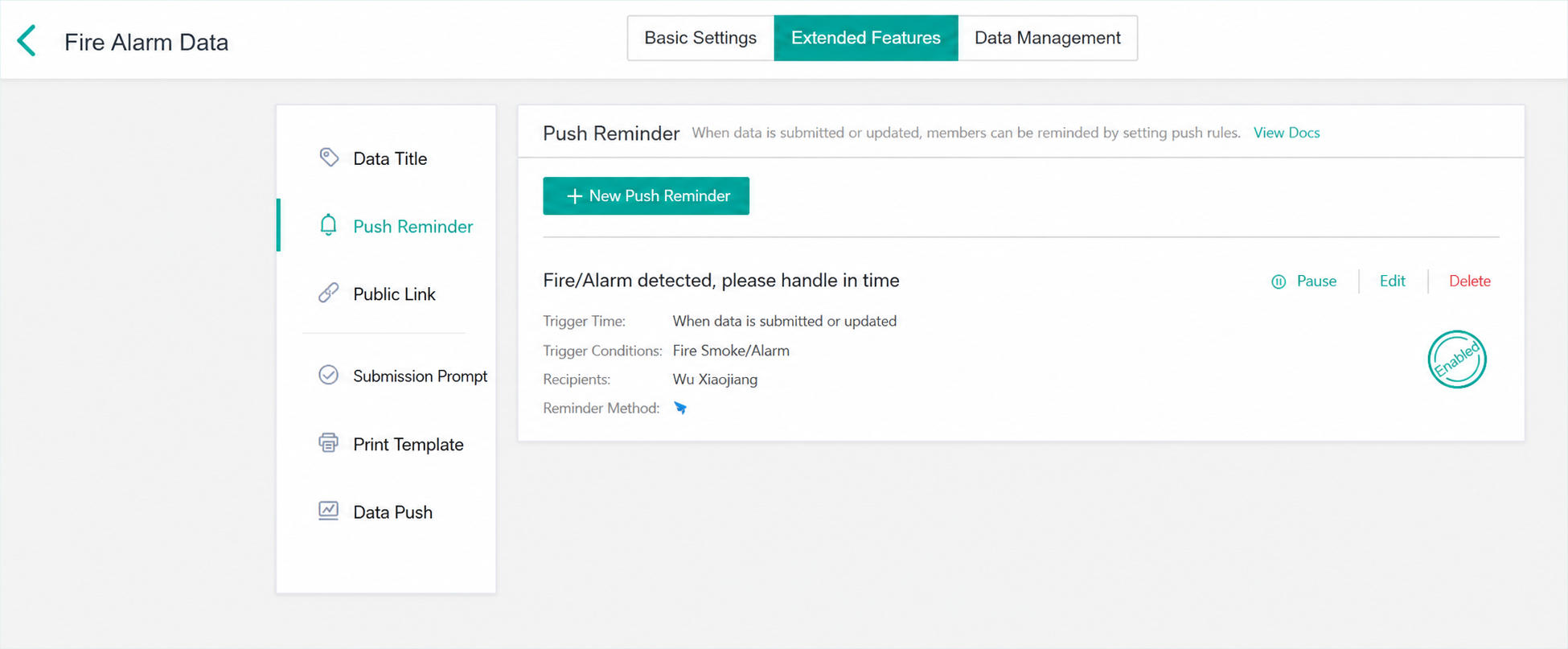
The human-monitored alarm system was replaced with an intelligent, automated workflow. Liuzhou Steel used an API to connect their IoT sensors for hazardous gas and fire detection directly to their no-code platform.
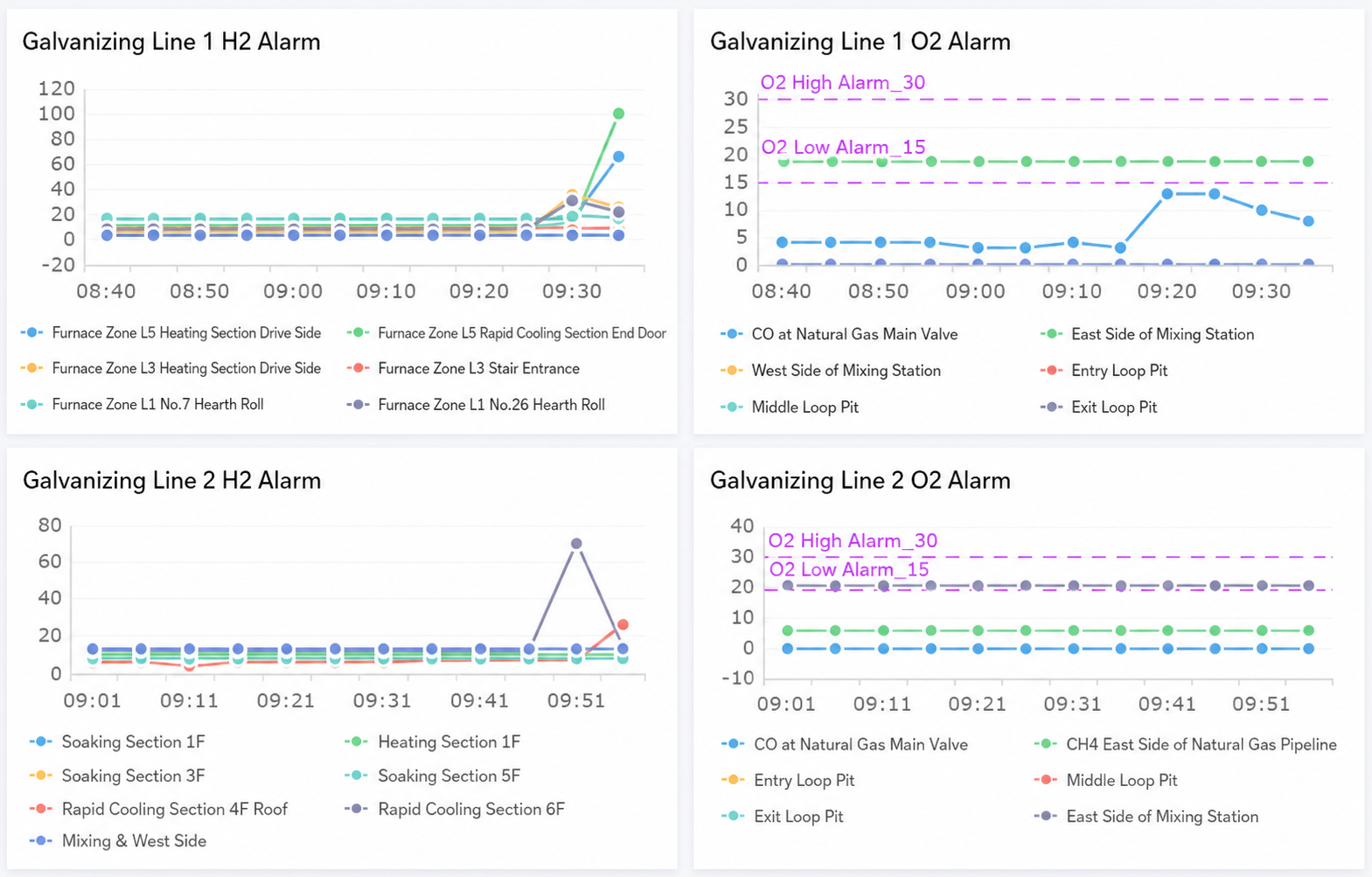
Now, when a sensor detects an anomaly, it doesn’t just sound an alarm in a control room. It instantly triggers a workflow that sends a detailed alert—including the location, time, and type of hazard—directly to the mobile devices of the responsible managers and emergency response teams. This cut the information delivery time by 99%, eliminating the human delay and ensuring that the right people get the right information instantly, allowing them to respond to threats before they escalate.
Process Closure and Continuous Improvement: The Digital Feedback Loop
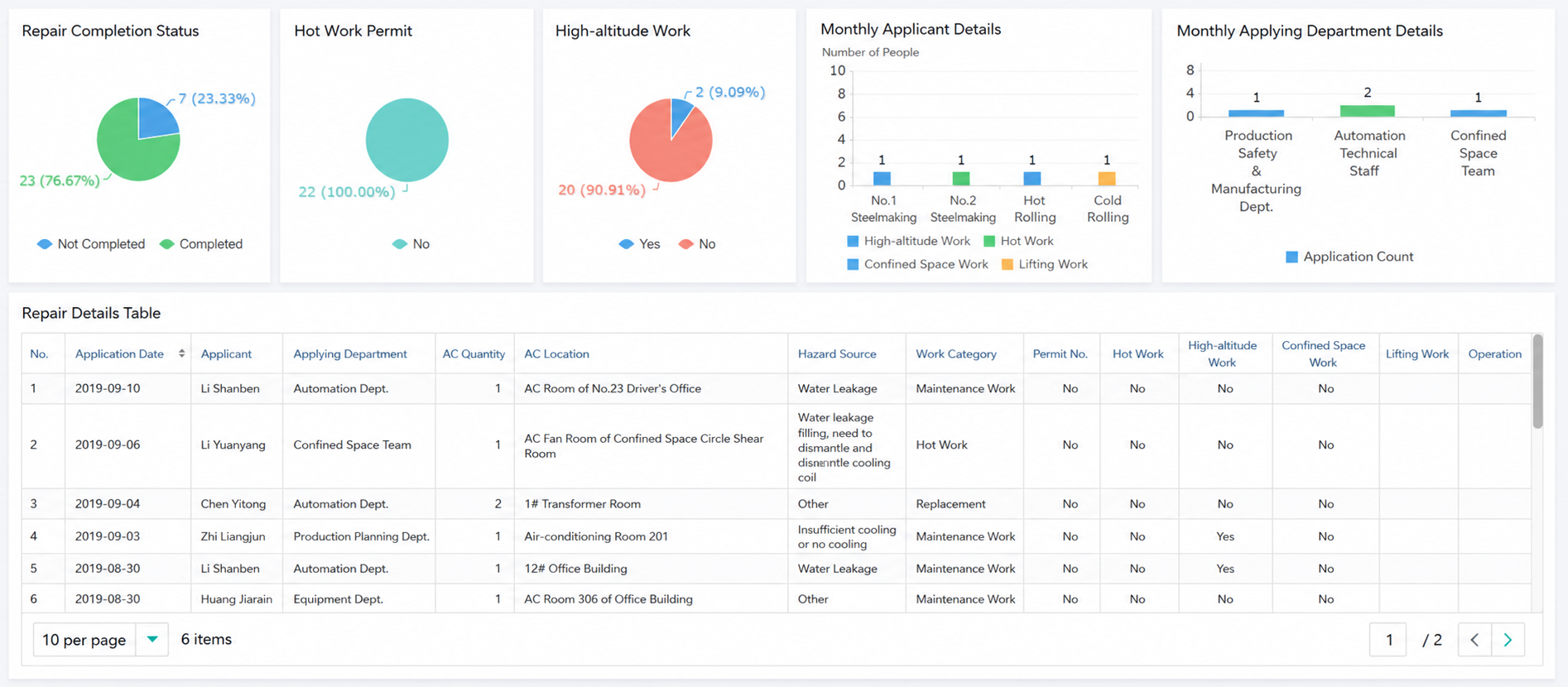
By digitizing these core processes, Liuzhou Steel created a powerful, closed-loop system for continuous improvement. When a technician finds a fault during an inspection, they can immediately initiate a digital maintenance work order from the same app. The work order, complete with photos and videos of the issue, is sent to the maintenance team, who can then plan and execute the repair. Every step of the process—from inspection to fault reporting to maintenance and final sign-off—is tracked in a central system. This data flows into real-time dashboards, allowing managers to monitor key metrics like Mean Time To Repair (MTTR), identify recurring problems, and make data-driven decisions to optimize their maintenance strategies. The data that was once trapped on paper was now a dynamic, real-time asset driving their lean journey forward.
The Results: Lean Principles in Action, Powered by Data
The transition from paper to a mobile-first, data-driven approach delivered immediate and profound results. By focusing on the critical on-site scenarios of PTW, EHS, and maintenance, Liuzhou Steel was able to translate lean principles into tangible outcomes, improving safety, agility, and the bottom line.
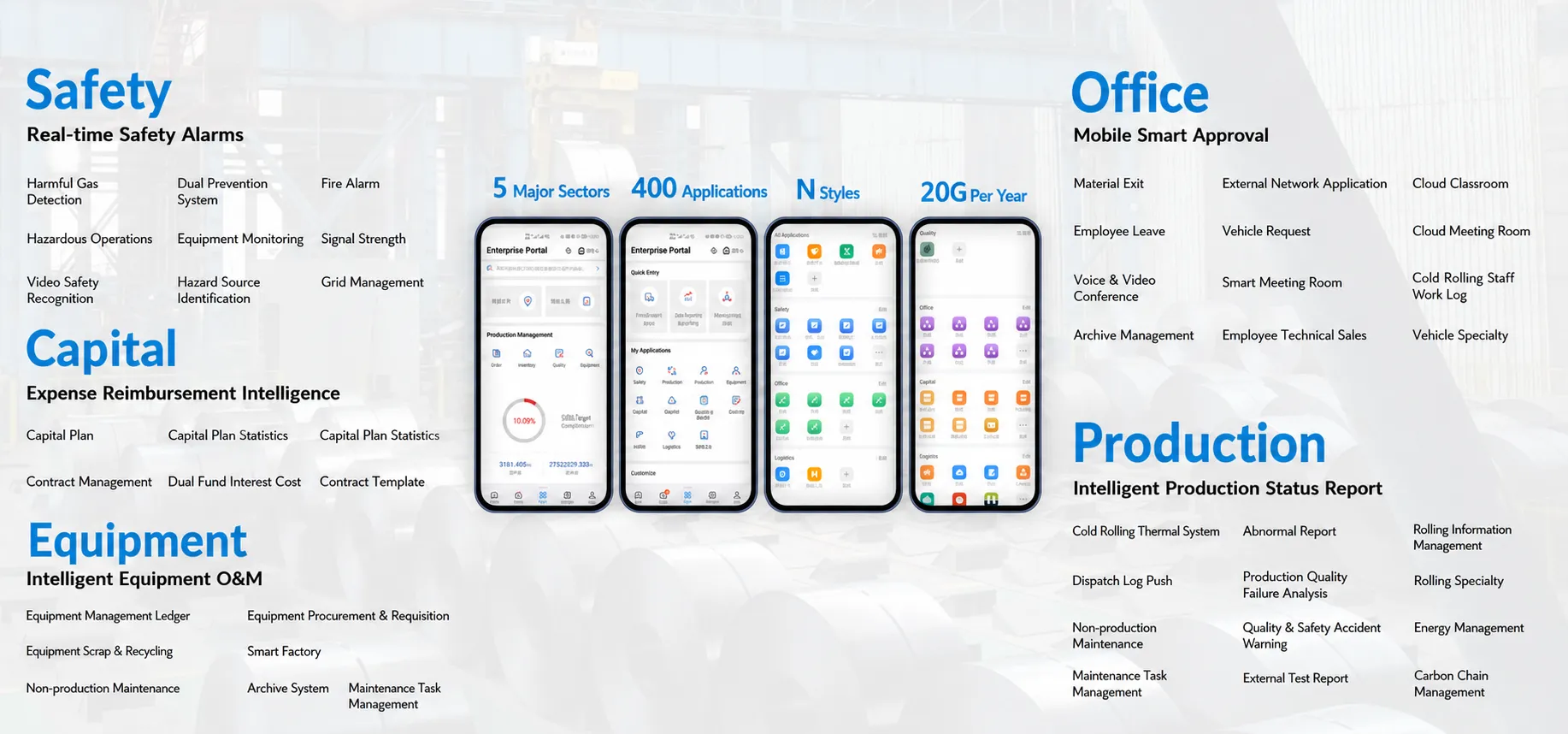
The impact was clear across the board:
| Key Performance Indicator | Before: Paper-Based System | After: Digital & Mobile Solution |
|---|---|---|
| Permit to Work (PTW) Time | 2-3 hours (or more) | 30 minutes |
| EHS Alert Delivery Time | Manual phone calls (minutes) | Instant (seconds) |
| Inspection Accountability | Manual tracking (limited verification) | 100% (QR code verified) |
| Data Visibility | Days/weeks (manual reports) | Real-time dashboards |
| Personnel Savings | N/A | Saved 1 FTE in EHS monitoring |
| Cost Savings | N/A | ~$500,000 annually in efficiency gains |
A Safer, More Compliant Workplace
The most critical result was a dramatic improvement in safety and compliance. The 80% reduction in permit processing time wasn’t just an efficiency gain; it meant that work was being done under the proper safety protocols, every time.
The 99% reduction in EHS alert time meant that potential life-threatening situations were being addressed almost instantly. The QR code-based inspection system ensured that preventative maintenance was being done correctly, reducing the risk of catastrophic equipment failures. By making compliance the path of least resistance, Liuzhou Steel created a safer environment for its 25,000 employees.
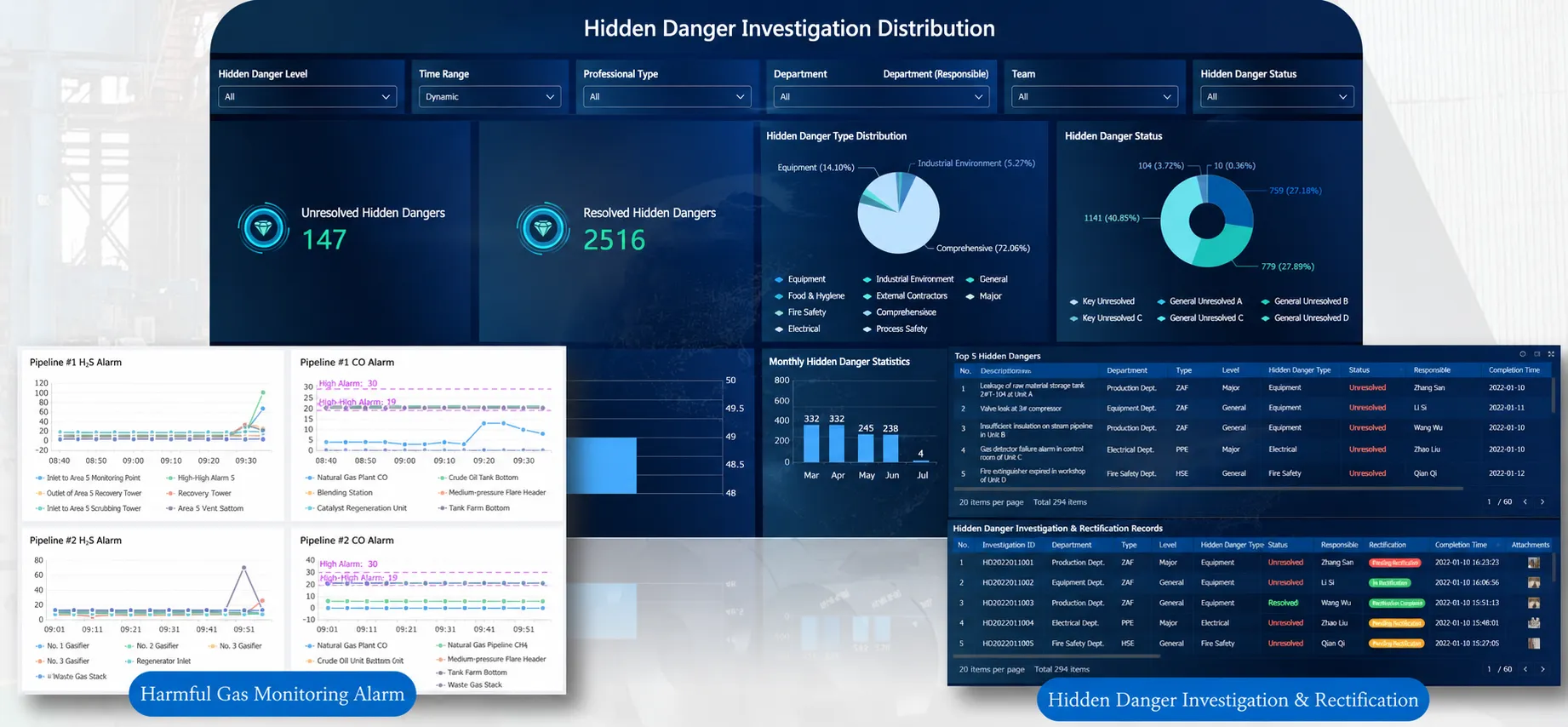
Unlocking Operational Efficiency
The efficiency gains were felt across the plant. Skilled workers were no longer waiting for hours for a piece of paper; they were getting to work faster. Maintenance teams were responding to issues more quickly, armed with better information. The automation of the EHS monitoring system freed up an entire full-time employee to focus on more value-added tasks. These individual efficiency gains, multiplied across thousands of employees and hundreds of processes, added up to significant cost savings and a more agile, responsive operation.
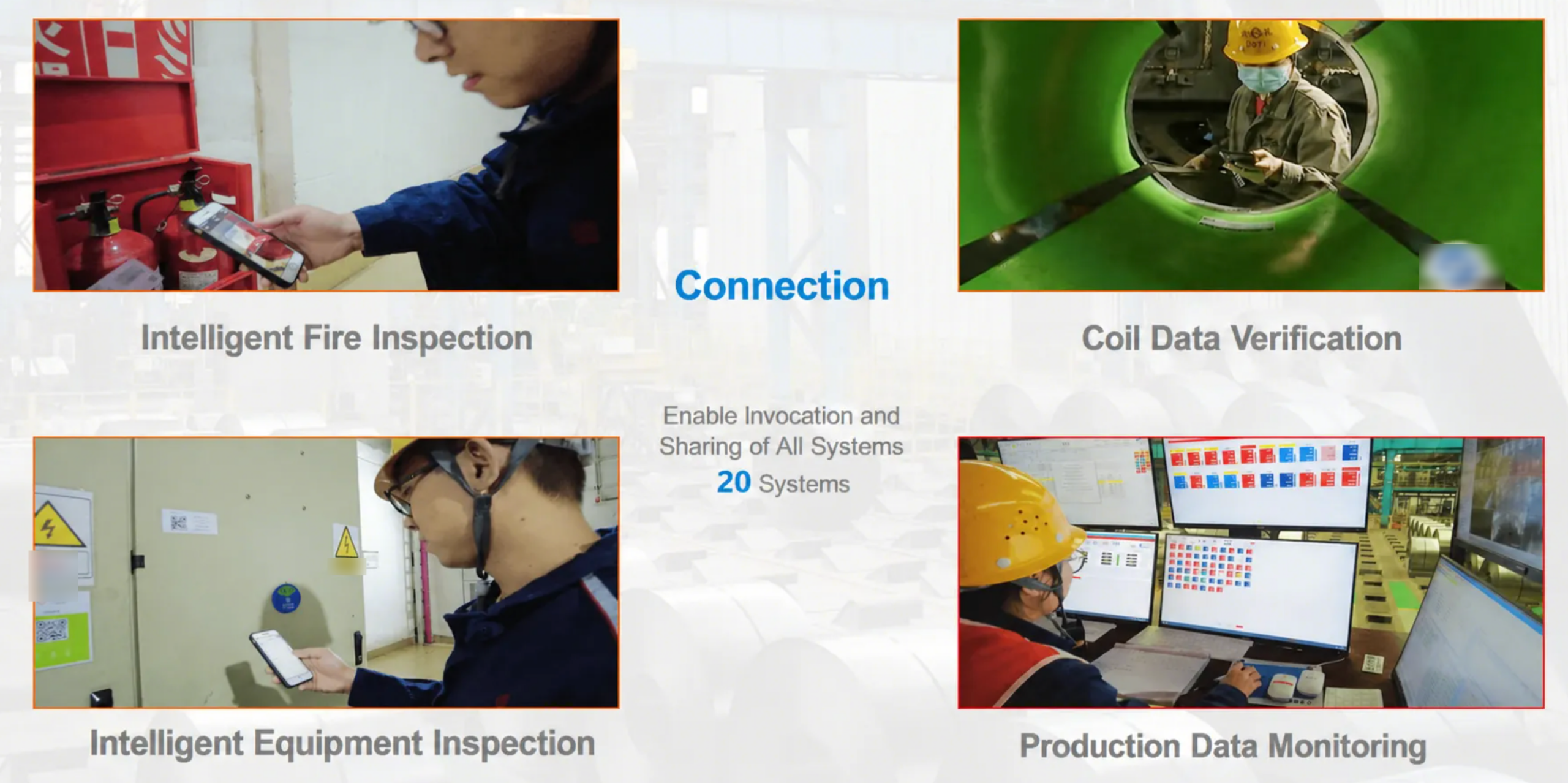
From Reactive to Proactive: The Power of Real-Time Data
Perhaps the most transformative result was the shift from a reactive to a proactive management culture. Before, managers were making decisions based on outdated reports and gut feelings. Now, they have real-time dashboards at their fingertips. They can see maintenance backlogs as they happen, identify equipment with recurring issues, and track inspection compliance across the entire plant. This visibility allows them to spot trends, anticipate problems, and allocate resources more effectively. They are no longer just fighting fires; they are preventing them. This data-driven approach is the very essence of modern lean management, and it has given Liuzhou Steel a powerful competitive advantage.
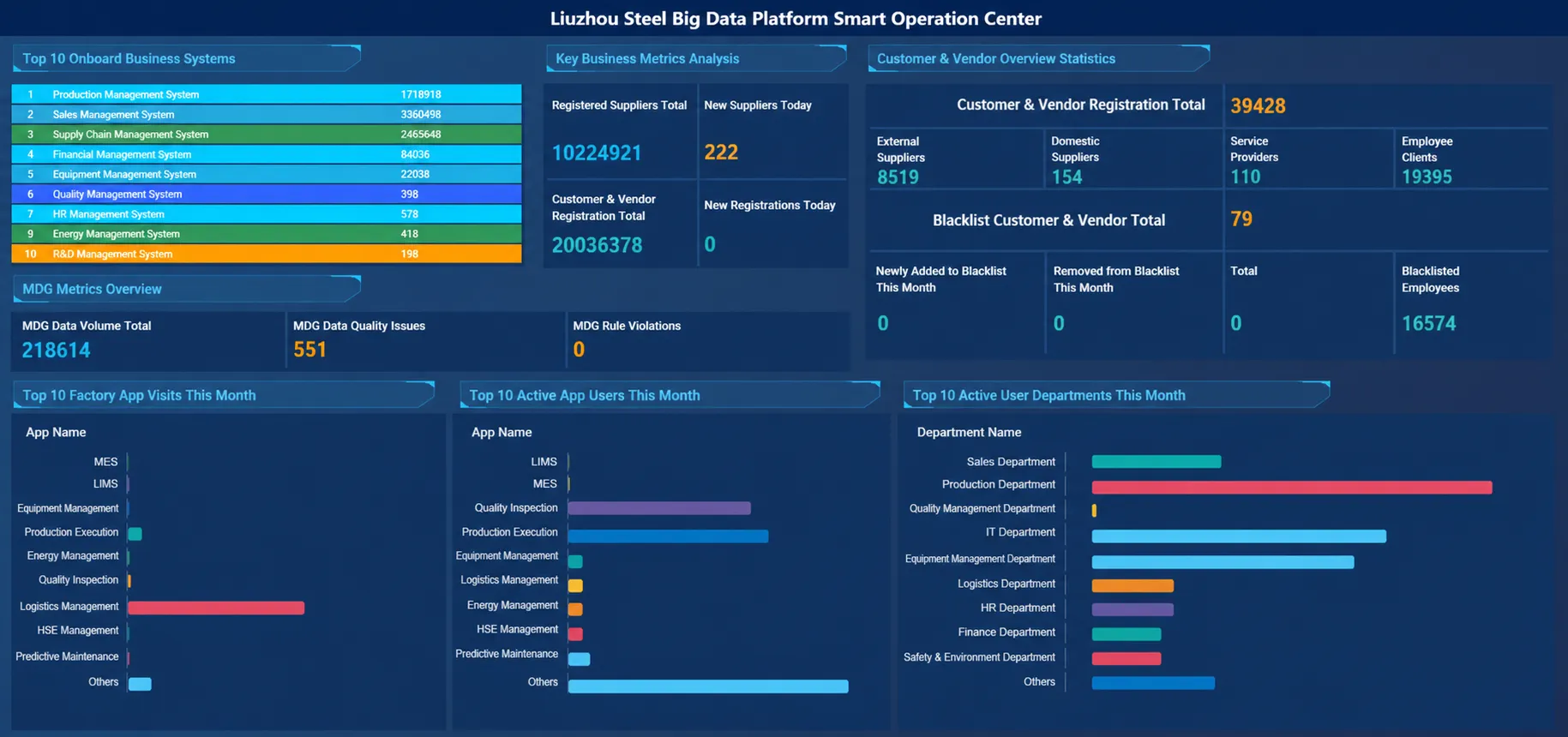
Future Outlook: Forging a Smarter Steel Factory
The success of the initial 100+ applications is just the beginning for Liuzhou Steel. The company sees the citizen development model as the key to scaling its digital transformation across all 30 of its factories. The goal is to build a truly “smart factory” where data from every corner of the operation—from production and maintenance to logistics and finance—is integrated into a single, unified platform.
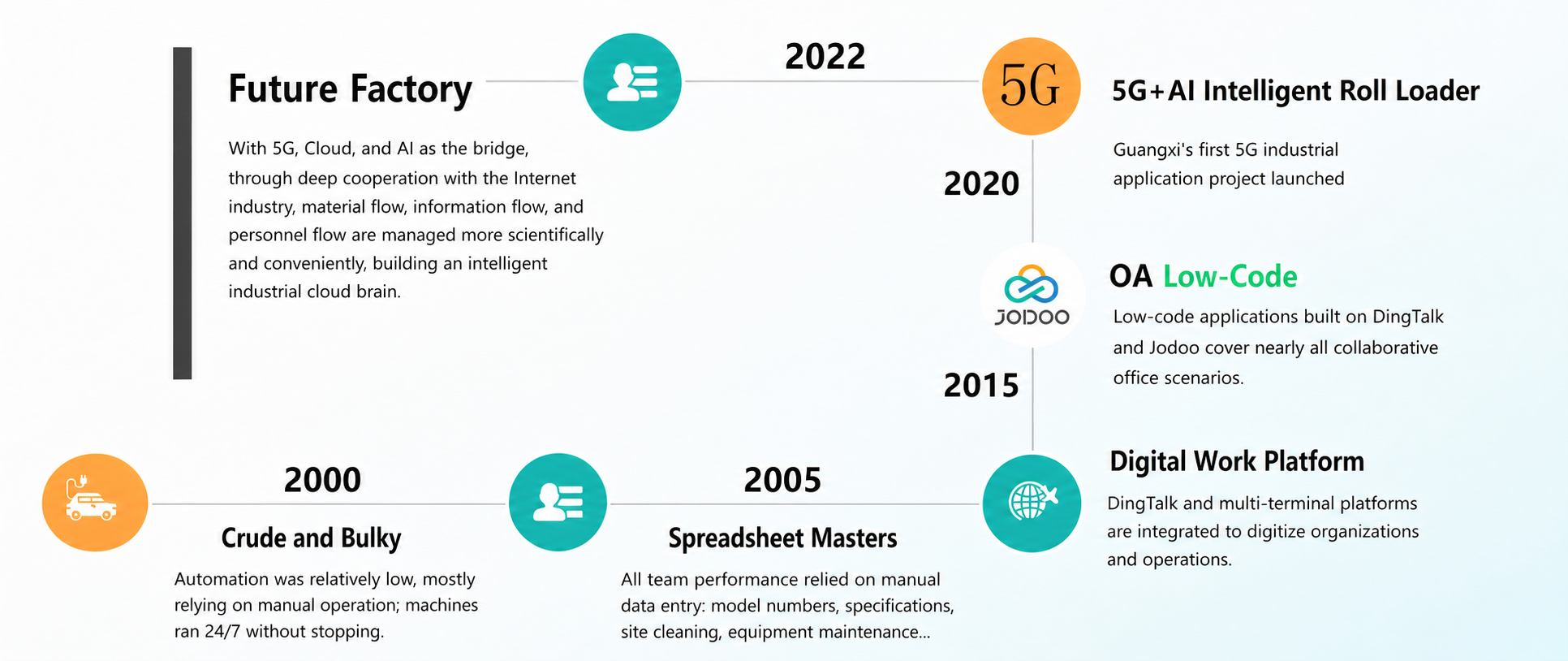
The next phase will focus on expanding the use of data analytics and predictive capabilities. By analyzing the vast amounts of data now being collected from equipment inspections and maintenance records, Liuzhou Steel plans to move from preventative to predictive maintenance, forecasting potential equipment failures before they happen. They also aim to apply the same principles to other areas of the business, using data to optimize supply chains, improve energy efficiency, and enhance product quality.
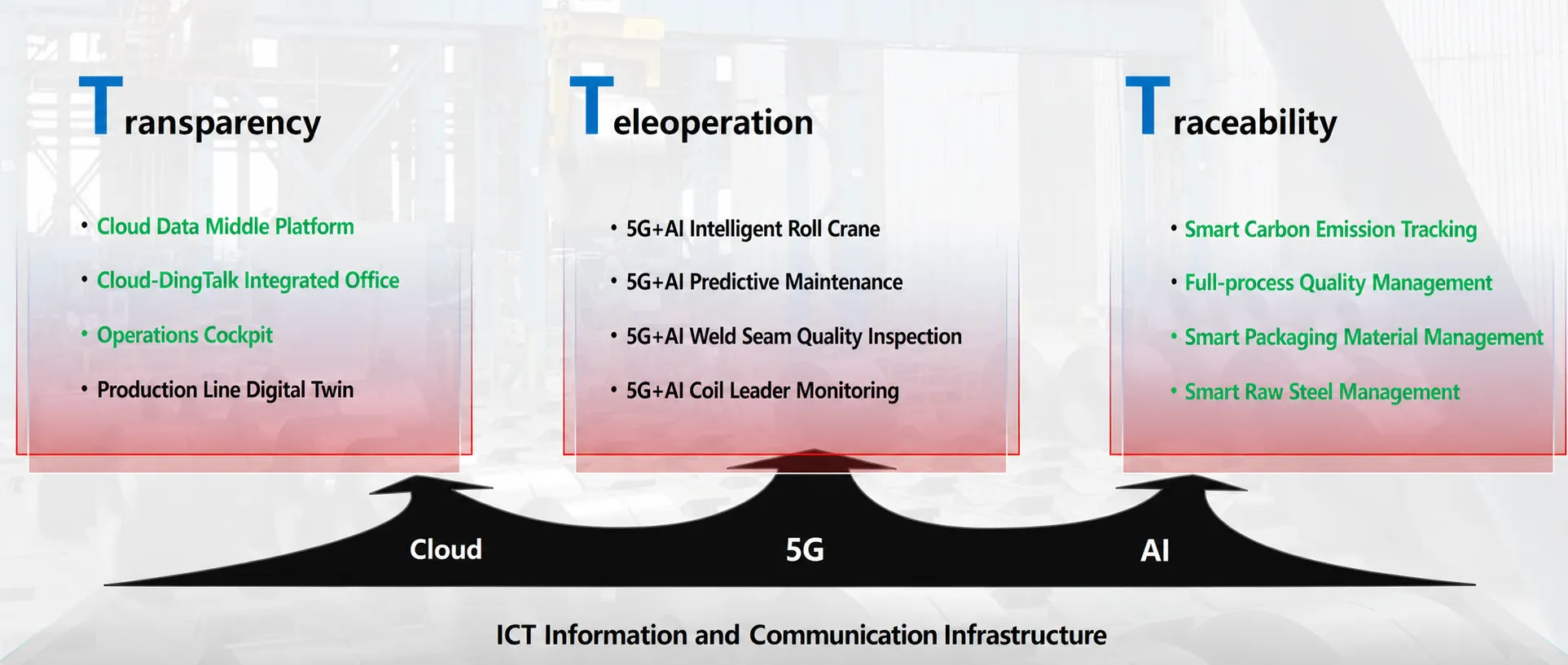
This frontline-driven approach has not only solved immediate problems but has also cultivated a culture of digital innovation within the company. By empowering their employees to build their own solutions, Liuzhou Steel is creating a more agile, data-literate workforce that is ready to tackle the challenges of the future. The journey from paper to data has transformed their operations and laid the foundation for a new era of lean, smart, and safe steel manufacturing.
Ready to forge your own path to operational excellence? Learn how you can empower your frontline teams to drive efficiency and safety with a no-code platform.
[Request a Demo of Jodoo]