Browse by category

400+
Hours Saved in Order Change Process
100%
System Accessibility on Mobile for All Staff
$10,000+
Saved in Paper and Printing Costs
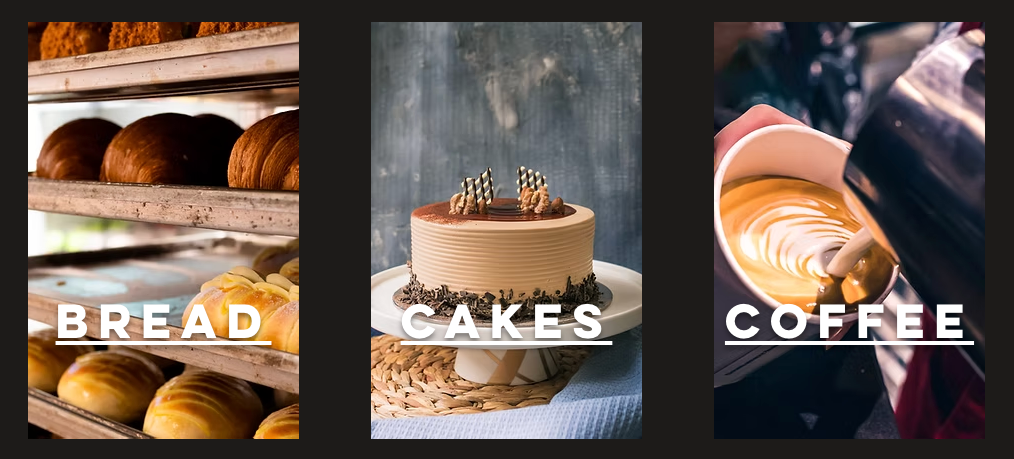
In multicultural Melbourne, Australia, the aroma of fresh bread draws many locals—especially the city’s growing Asian community—to The Bakery, a beloved “East-meets-West” franchise. Founded over a decade ago, it has scaled from one shop to a network of 30+ franchise stores, known for blending Asian flavors with Western baking.
But rapid growth quickly exposed the limits of paper-based ordering and desktop-first tools. As daily orders increased, last-minute changes triggered manual rework, inconsistent updates, and miscommunication across teams. With 100+ employees supporting the operation, the business was moving fast—but its processes were still anchored in outdated software, manual data entry, and a mountain of paperwork.
This is the story of how The Bakery’s finance and administration team, led by the forward-thinking financial manager, took on the challenge of digital transformation. With no dedicated IT department and a limited budget, they used a no-code platform to build a custom solution that has revolutionized their business. They have not only streamlined their operations and slashed costs, but they have also created a more sustainable, efficient, and collaborative work environment for their entire team.
The Challenge: Growing Pains and Paper Cuts
The Bakery’s success was a double-edged sword. As the company grew, the cracks in its operational foundation began to show. The team was grappling with three major challenges that were holding them back.
The Clunky, Inflexible Ordering System
The heart of The Bakery’s B2B business is its franchisee ordering system. Franchisees need to be able to easily order their daily supply of bread, cakes, and pastries. But the off-the-shelf software they were using, a local ERP software from an Australian vendor, was a constant source of frustration.
- It was rigid and slow. The system couldn’t handle simple, real-world scenarios. For example, during holidays like Christmas, the bakery’s delivery schedule would change. But to update the earliest available delivery date in the system, they had to submit a request to the software vendor, who would then have to manually change the code on the backend. The process was painfully slow, sometimes taking months to get a simple change made. “We would have a new requirement, and we’d talk to them for two months, and it still wouldn’t be done,” Becky (alias), a finance manager, recalls. “Eventually, we’d just give up.”
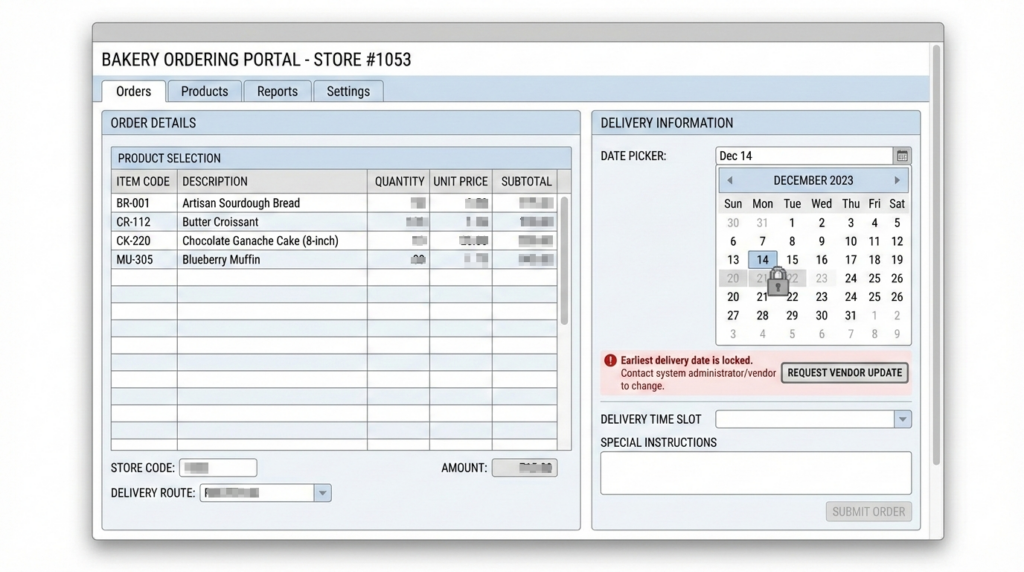
- It was not mobile-friendly. The system had no dedicated mobile app. While franchisees could place orders on a mobile browser, the experience was cumbersome—making on-the-go ordering difficult. For production teams and delivery drivers, accessing and acting on updates in real time was impractical.
The Communication Breakdown: A Storm of Messages and Phone Calls
In the fast-paced world of a daily bakery, things change. Every day, about 10% of the nearly 100 franchisee orders would need to be modified. With the old system, a simple order change would trigger a chaotic and inefficient communication cascade.
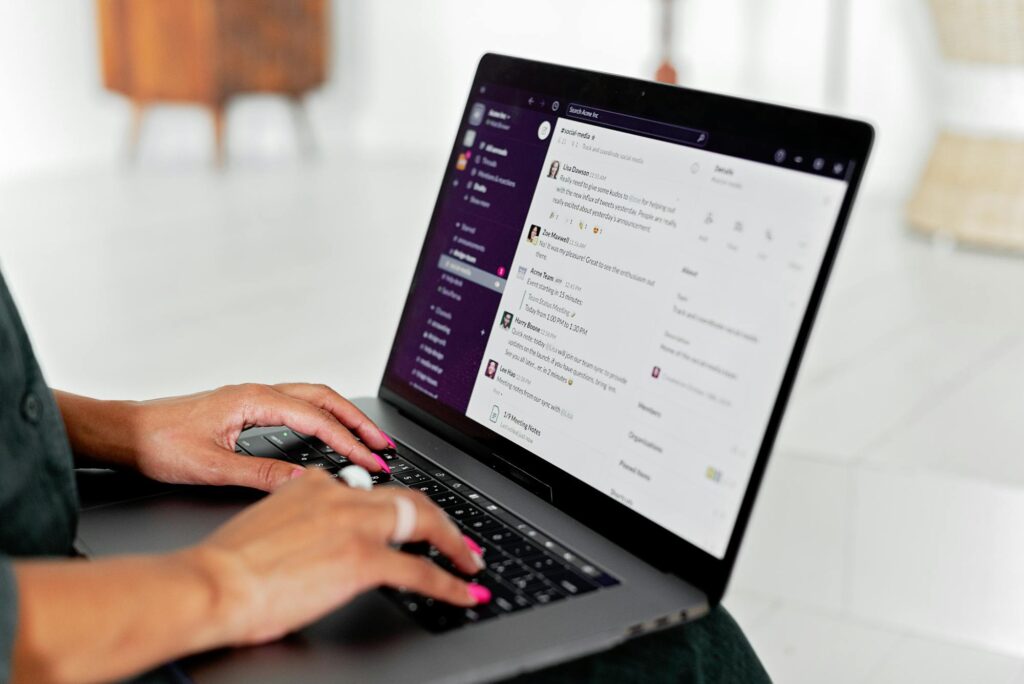
First, the admin team would have to update the order in the local ERP software. Then, they would have to post a message in a company-wide messaging group, tagging every single person who needed to know—the production team, the packaging team, the delivery drivers, and all their supervisors. If someone didn’t see the message or didn’t reply, the admin team would have to follow up with a phone call to make sure the change was received.
Meanwhile, everyone on the factory floor was working off printed paper copies of the orders. When a change came through, they would have to find their paper copy and manually cross out the old information and write in the new. It was a system that was ripe for human error, and it created a constant state of confusion and information delay.
The Mountain of Paper: An Inefficient and Unsustainable Practice
The reliance on paper was a huge problem. Every department printed out its own set of orders every day. This not only created a massive amount of paper waste, but it also meant that no one ever had a real-time view of the day’s production plan. The delivery drivers would leave the factory with a stack of paper, and if an order was changed after they left, they would have no way of knowing.
“The drivers had no way to check the real-time data,” says Becky. “They could only use the printed-out sheets to deliver the goods.”
The company was drowning in paper, and the manual processes were costing them precious time and money. They knew they needed a change, but with no IT department, they weren’t sure where to start.
The Solution: A Recipe for Success, Found on AI Tools
While exploring alternatives (including AI-assisted research), the team discovered Jodoo. They chose it for its flexibility, fast rollout, and the ability for business teams to iterate without a dedicated IT department.
The final decision was driven by the platform’s flexible solutions and swift implementation. On the no-code platform, the team, led by Becky, built a suite of custom applications that directly addressed their biggest pain points.
A Flexible, Mobile-First Ordering System
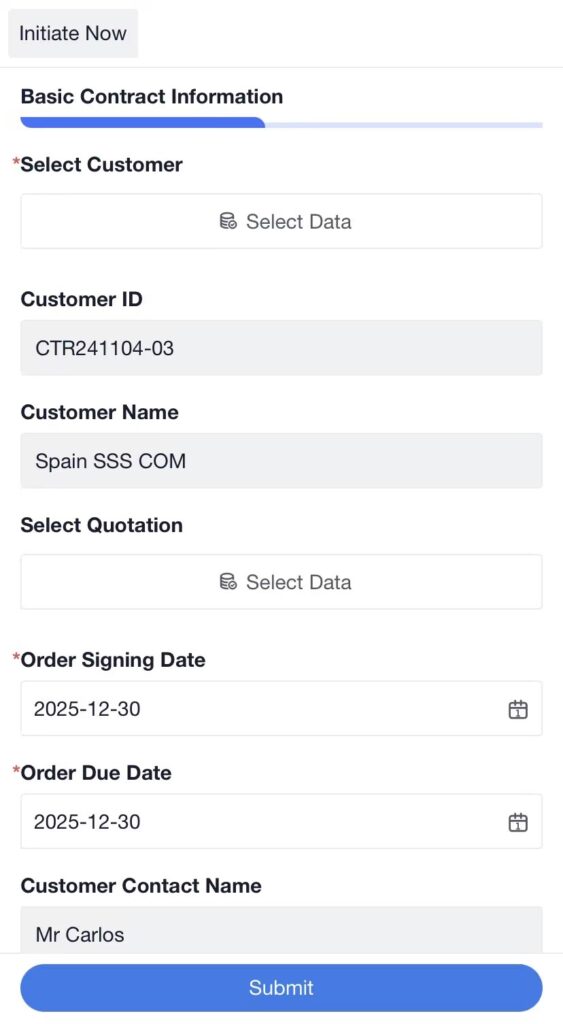
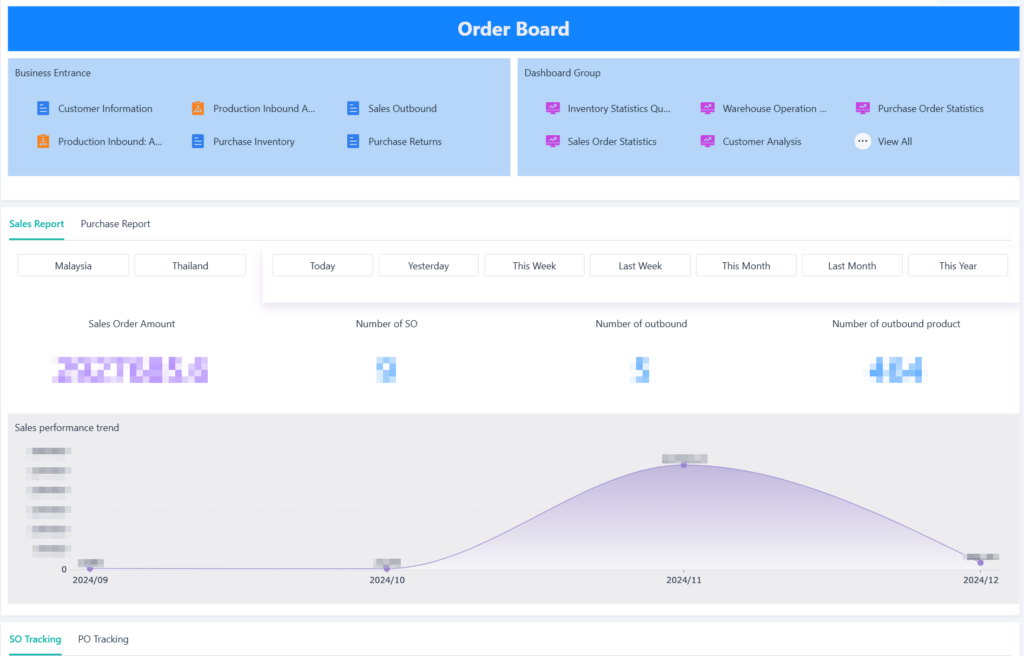
The first and most critical step was to replace their clunky local ERP software. On the no-code platform, they built a new franchisee ordering portal from the ground up. This new system was a game-changer:
- It’s completely flexible. A non-technical finance professional can now take ownership of the system’s design and iteration. The team can now instantly change delivery schedules, add new products, and modify the ordering rules themselves, without writing a single line of code. “On Jodoo, it’s so flexible,” the financial says. “We can just change it ourselves. If I want to close for a holiday, I can just go into Jodoo and change it myself.”
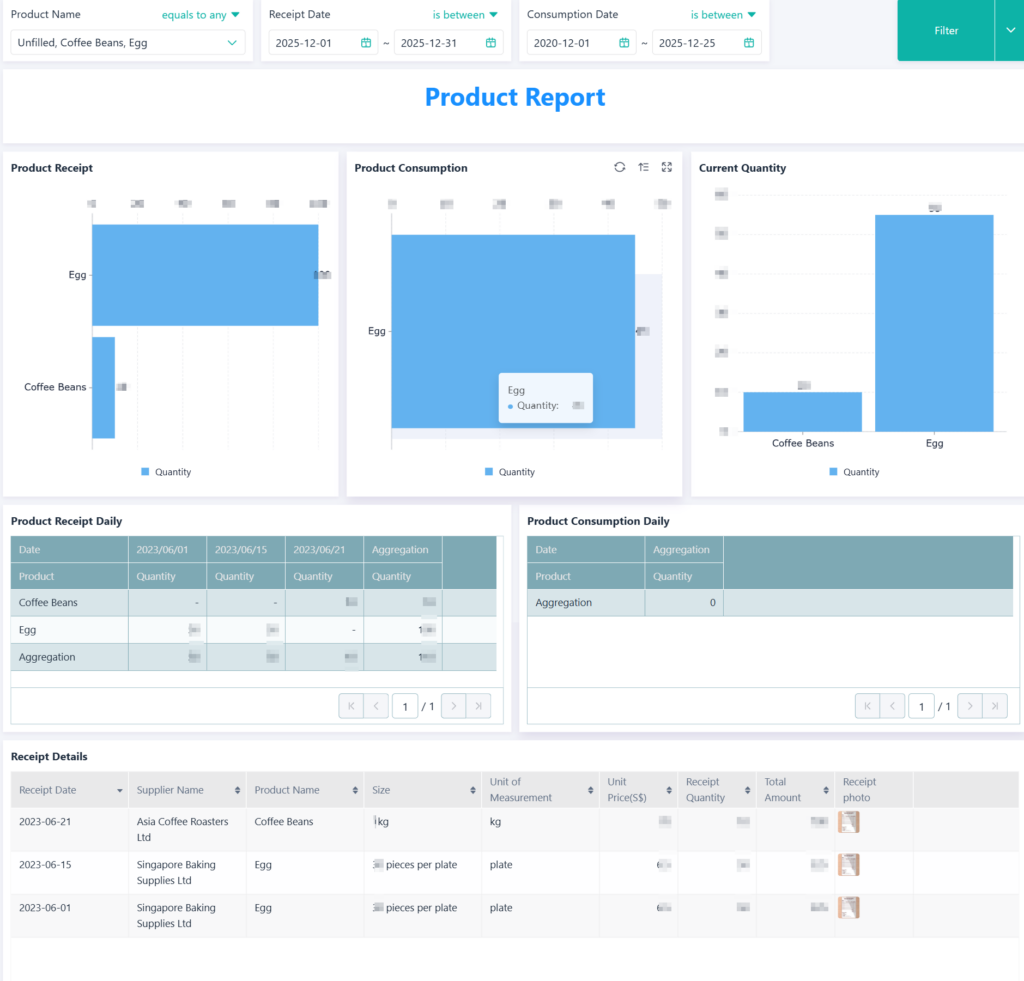
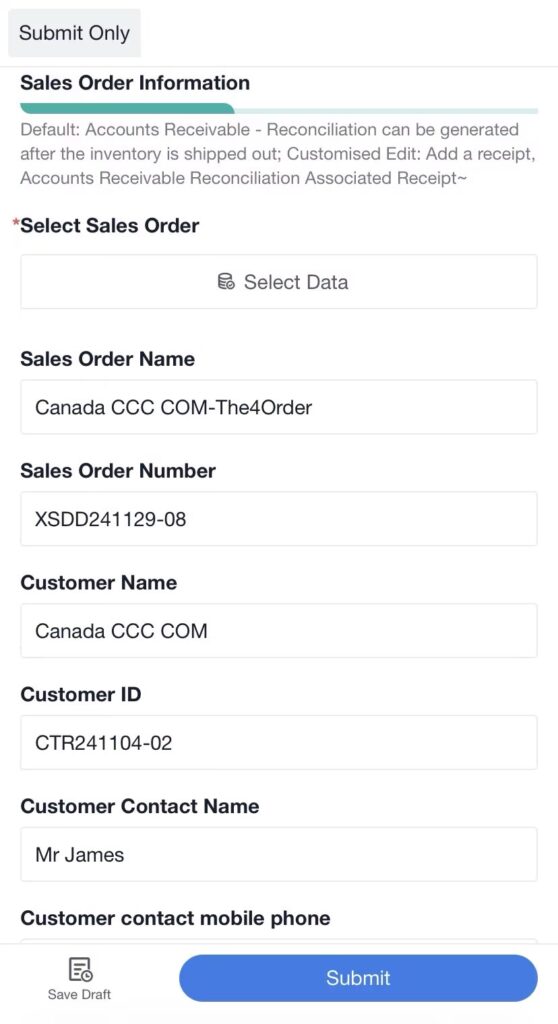
- It’s mobile-first. The new system works seamlessly on any device—phone, tablet, or computer. Franchisees can now place orders from anywhere, at any time. And, most importantly, the production team and delivery drivers can now access live, real-time order information on their phones while they are on the factory floor or out on the road.
Real-Time Communication and Collaboration
With the new Jodoo system, the chaotic storm of messages and phone calls has been replaced by a calm, streamlined workflow. When an order is changed, the system is updated once, and everyone involved automatically sees the latest version. There is no need for manual follow-up or frantic phone calls.
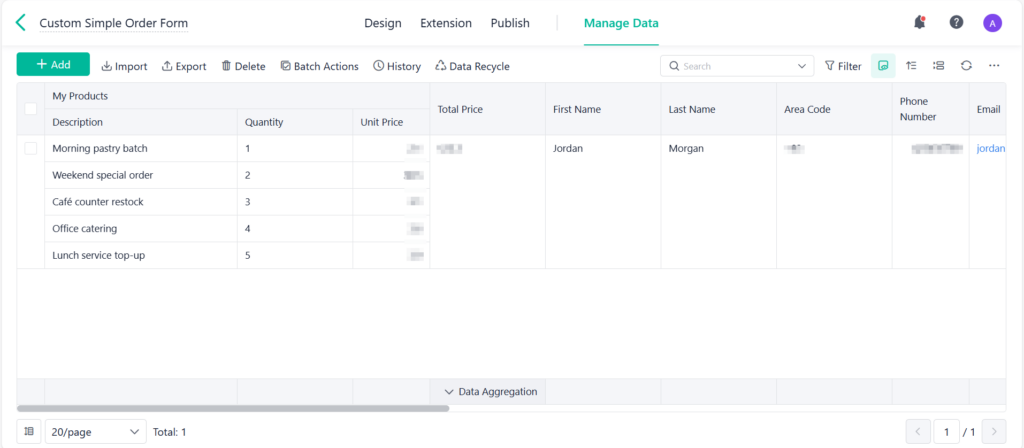
This has created a single source of truth for the entire company. Everyone is now working from the same, up-to-the-minute information, which has dramatically reduced errors and improved coordination between departments.
A Paperless, Sustainable Workflow
The move to a mobile-first system has allowed The Bakery to go completely paperless. No more printing out stacks of orders every day. No more manual markups and crossed-out lines. This has not only saved a significant amount of money on paper and printing costs, but it has also made the company a more sustainable and environmentally friendly business.
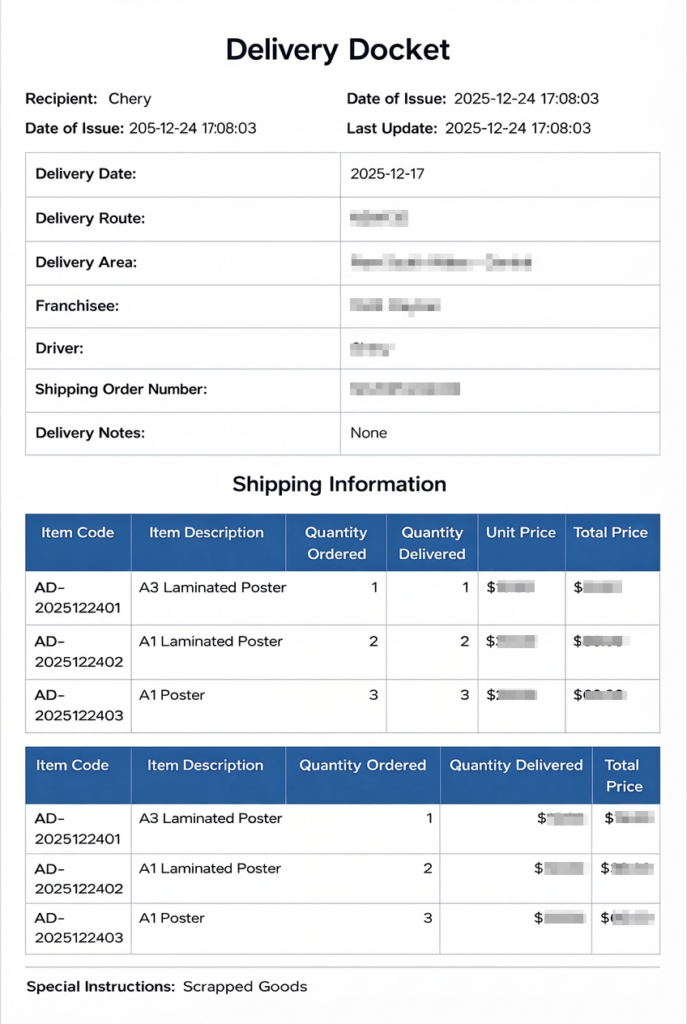
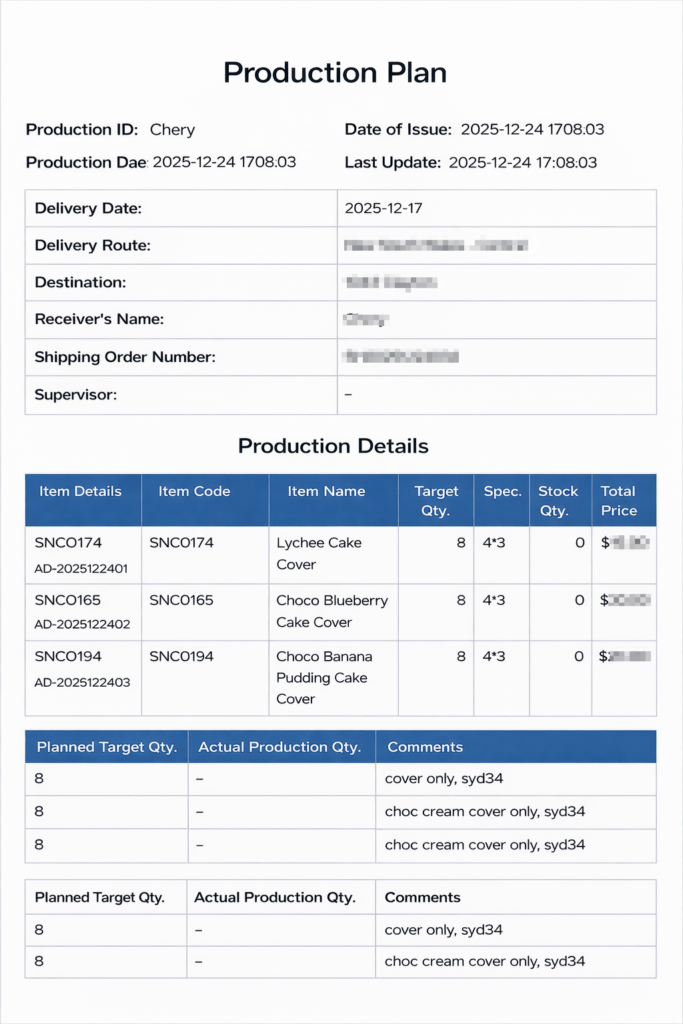
“We don’t print out orders anymore,” Becky says proudly. “It has saved a lot of A4 paper!”
The Results: A Leaner, Greener, and More Agile Business
The impact of the new Jodoo system has been felt across the entire organization. By replacing their outdated, paper-based workflows with a single, integrated digital platform, The Bakery has unlocked significant improvements in efficiency, sustainability, and employee satisfaction. The results speak for themselves.
| Key Performance Indicator | Before Jodoo | After Jodoo |
| Order Change Process | Manual calls & messages, paper markups | Real-time, automated updates |
| Order Change Visibility | Delayed, reliant on phone/paper | Real-time on mobile devices |
| Time Spent on Order Changes | Approximately 1 hour/day | < 15 minutes/day |
| Annual Labor Savings | N/A | Over 400 hours/year |
| System Flexibility | Rigid, vendor-dependent, months for changes | Flexible, self-service, instant changes |
| Mobile Accessibility | Limited (browser-based, not mobile-optimized) | 100% mobile-first |
| Paper Usage | Thousands of sheets per month | 0 |
| Annual Cost Savings | N/A | Over $10,000 |
The most dramatic improvement has been in the way the company handles order changes. What used to be a one-hour daily fire drill of phone calls and manual updates is now a calm, 15-minute process. This adds up to a staggering 400+ hours of saved labor per year, freeing up the admin team to focus on more value-added activities.

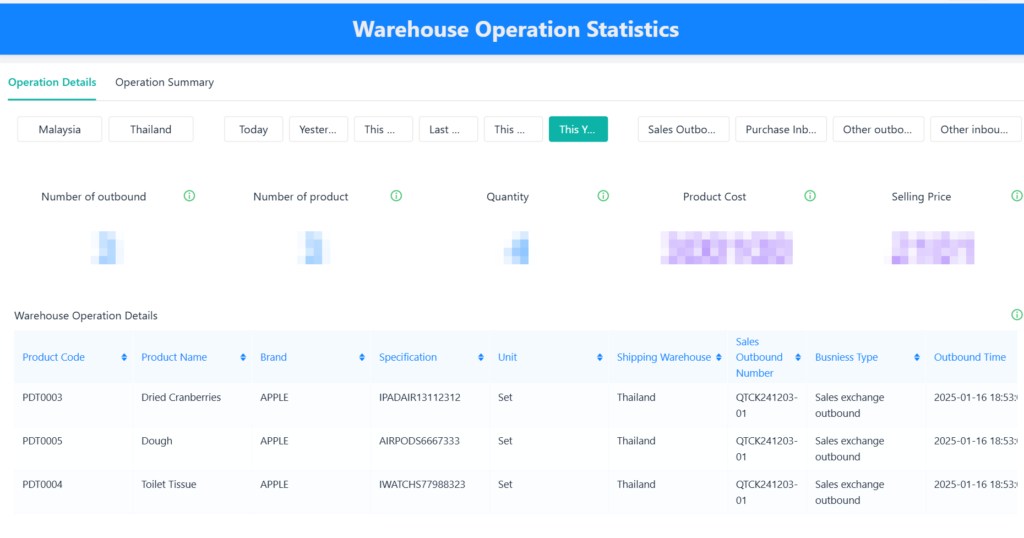
The move to a paperless system has had a huge impact on the company’s bottom line and its environmental footprint. An estimate of over $10,000 can be saved on paper and printing costs a year, and it has completely eliminated the waste and inefficiency of its old paper-based system.
The benefits go beyond just time and money. The new system has empowered the team and made their work lives easier. The flexibility of the Jodoo platform means that they are no longer at the mercy of a slow and unresponsive software vendor. They are in control of their own destiny, able to adapt and evolve their systems as their business needs change.
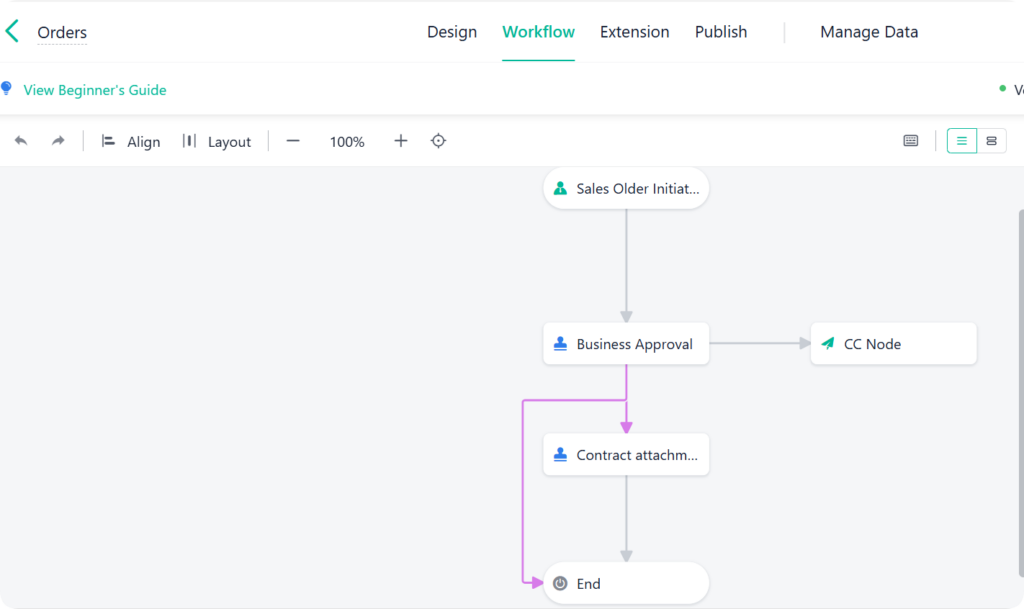
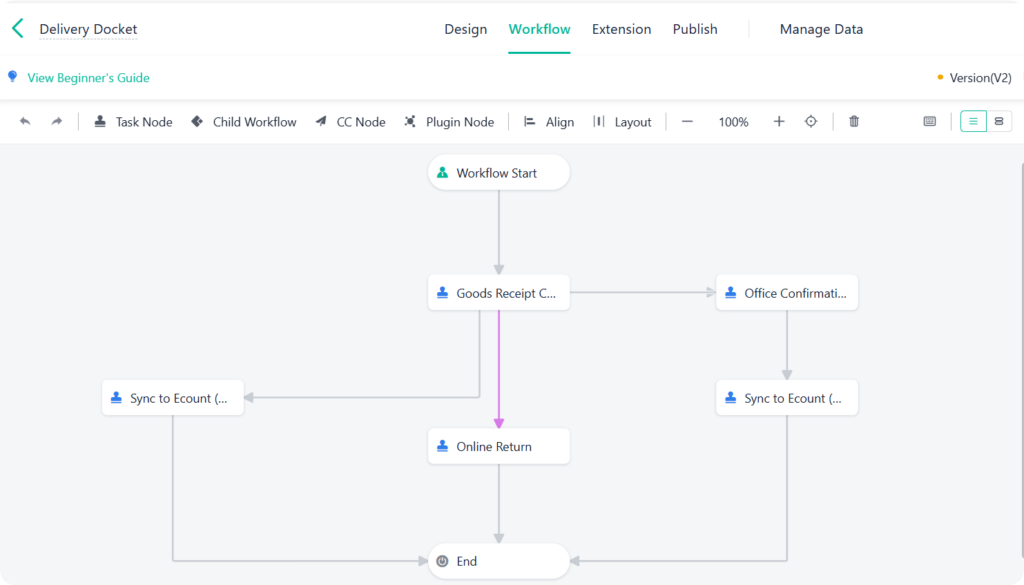
And for the franchisees, the new mobile-first ordering system has been a welcome change. They are no longer constrained by a desktop-first, mobile-unfriendly ordering experience, and they have a much clearer and more transparent view of the entire process. While there was some initial resistance to the change—as there always is with any new system—the team has quickly adapted and embraced the new way of working.
Future Outlook: A Platform for Continuous Improvement
For The Bakery, the journey of digital transformation is just beginning. The success of their new ordering system has given them a powerful platform and a new mindset for continuous improvement. The financial is already looking for new ways to leverage the Jodoo platform to solve other business challenges.
One of the next big projects on the horizon is to dive deeper into other internal processes—such as administrative tasks and production floor operations—to identify further opportunities for optimization and standardization using the no-code platform.

The story of The Bakery Bakery is a powerful testament to the power of citizen development. It shows that you don’t need a big IT department or a massive budget to achieve a digital transformation. With the right tools and a can-do attitude, any business can take control of its own technology and build a better, more efficient, and more sustainable future.
As Becky puts it, “At the beginning, I was the one who introduced it and taught everyone how to use it. But now that everyone is using it, there are not too many problems. It’s running smoothly, and I don’t think it needs much maintenance.”
That’s the power of a truly no-code platform. It’s not just about building applications; it’s about building a culture of empowerment and continuous improvement. And for The Bakery, that’s the sweetest result of all.
Ready to start your own digital transformation journey?