Browse by category

Digital Transformation Began with Small Things
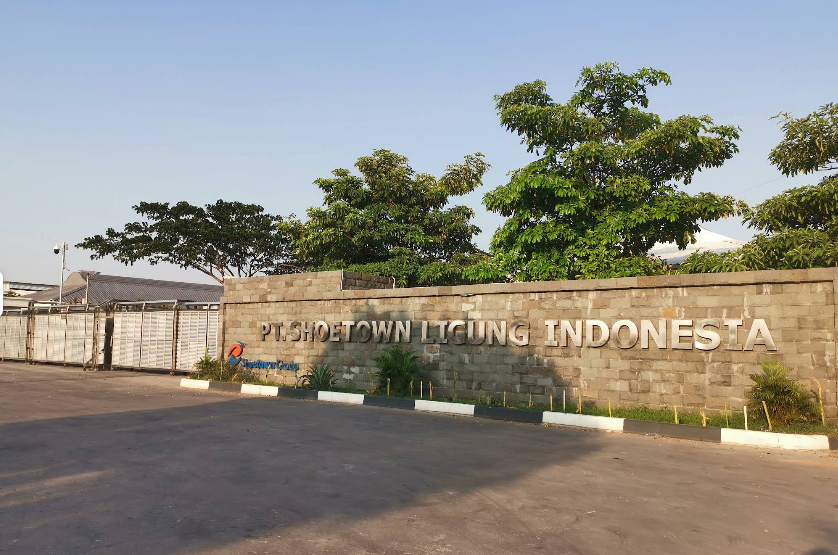
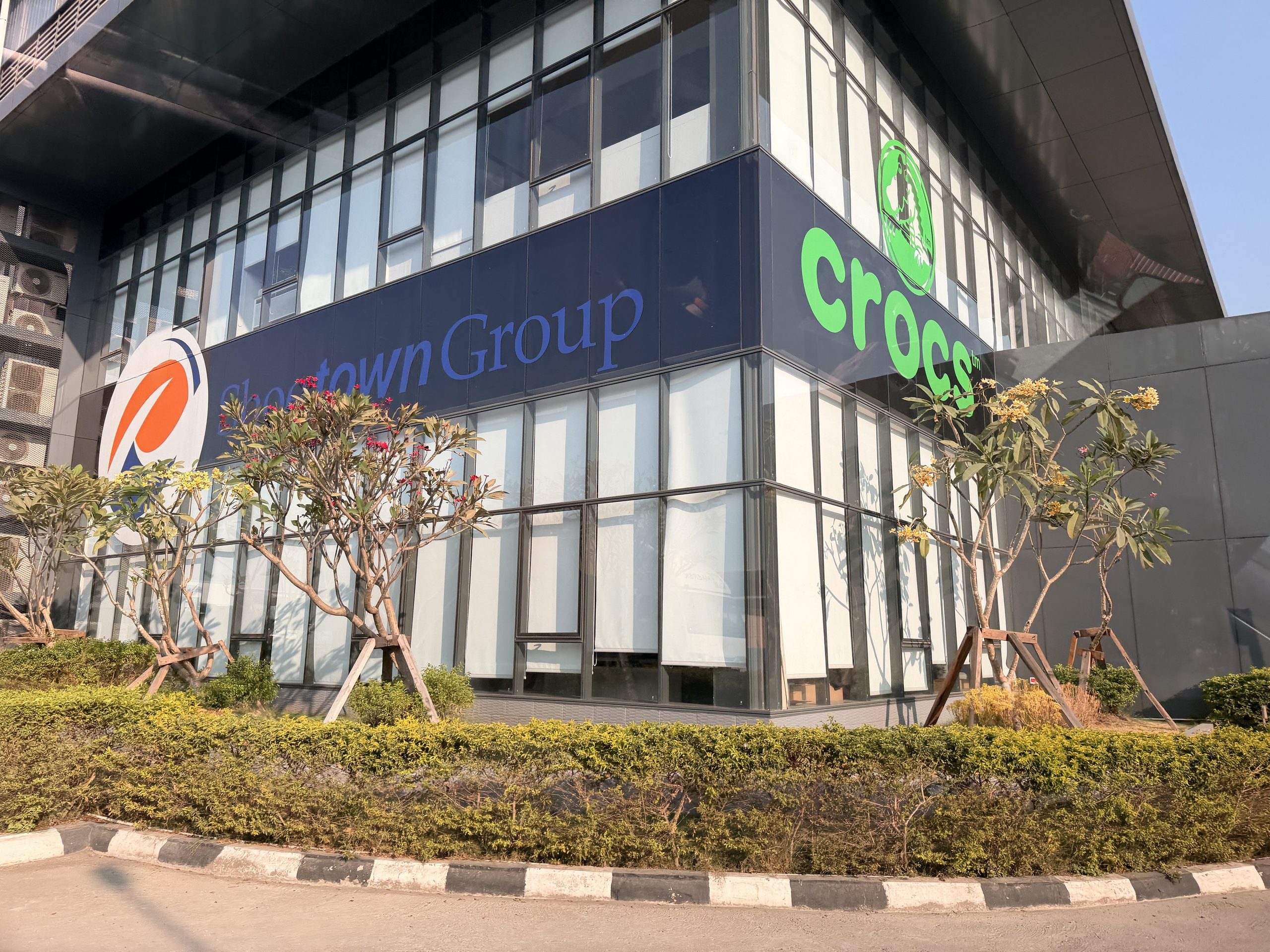
Shoetown Group is one of the world’s three largest footwear manufacturers, with more than 32 production sites and over 100,000 employees. Its J2 operation in Indonesia employs about 15,000 people and primarily manufactures footwear for Nike.
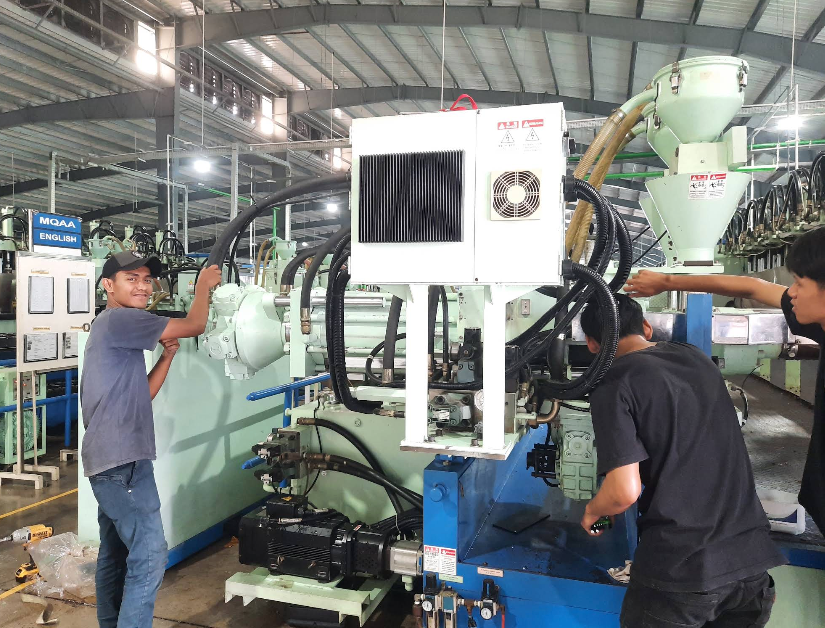
J2 already had strong enterprise systems for planning, production, and quality. Alongside those systems, however, several frequent departmental processes were still handled through paper forms, spreadsheets, and messaging. Employees used paper forms for cash advances, reimbursement documents were passed through multiple reviewers, and transportation schedules were consolidated in Excel before being shared in a WhatsApp group.
At J2’s scale, these workflows generated substantial administrative work, including paper handling, repeated data entry, status follow-ups, and manual consolidation. An internal opportunity assessment estimated that the processes in scope could involve nearly 380,000 sheets of paper and about 100,000 labor hours annually, representing up to USD 10 million in potential avoidable costs. (These figures were pre-implementation estimates, not realized savings.)
J2 therefore focused on four practical goals: reducing paper handling, shortening process lead times, limiting repetitive administrative work, and improving process visibility.
From Experimentation to a Structured Pilot
The CTO of Shoetown’s Nanchang operation had been exploring ways to improve factory processes through lean management and flexible digital tools. In 2018, he began testing Jodoo for workflows outside the core systems.
The CTO and the factory teams kept experimenting, sharing what worked, and learning where flexible tools could complement the core systems. Jodoo supported that exploration with a no-code platform and continued guidance. By 2026, the accumulated experience had created the foundation for a more structured digital transformation program at J2.
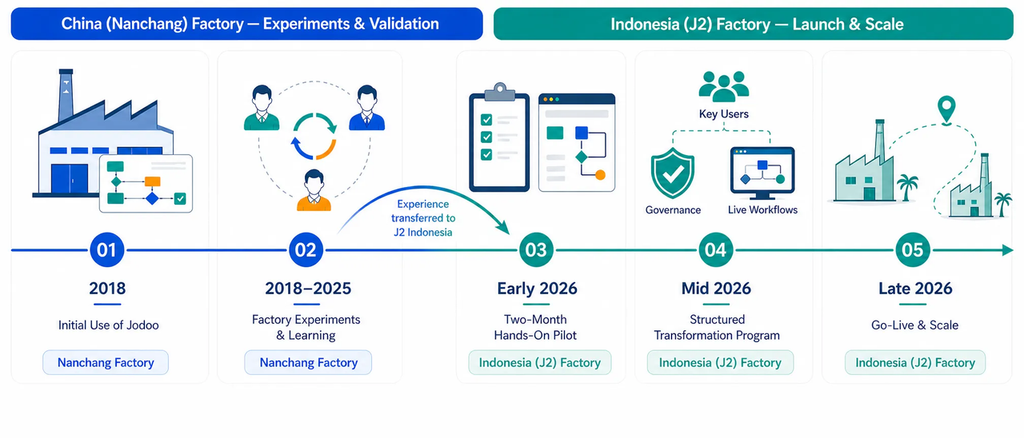
Building on that experience, J2 ran a two-month hands-on pilot in early 2026. The team found that Jodoo could complement the factory’s core systems while meeting its needs for customization, data security, permission control, and integration. Jodoo’s online and on-site support also aligned with J2’s preference for introducing change gradually and building local capability, rather than relying indefinitely on an external team.
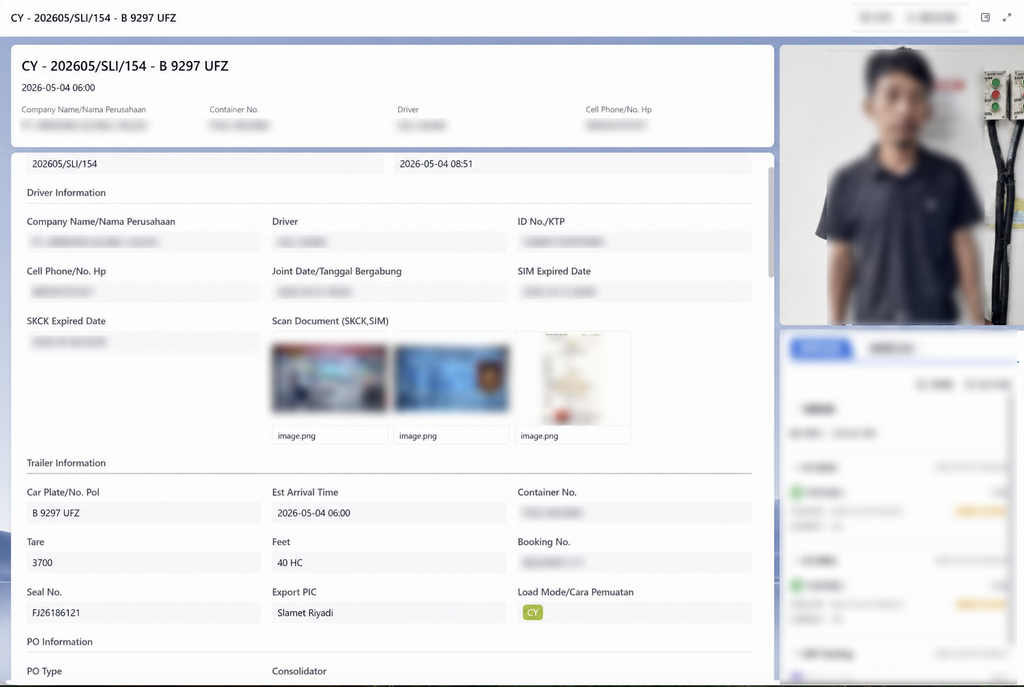
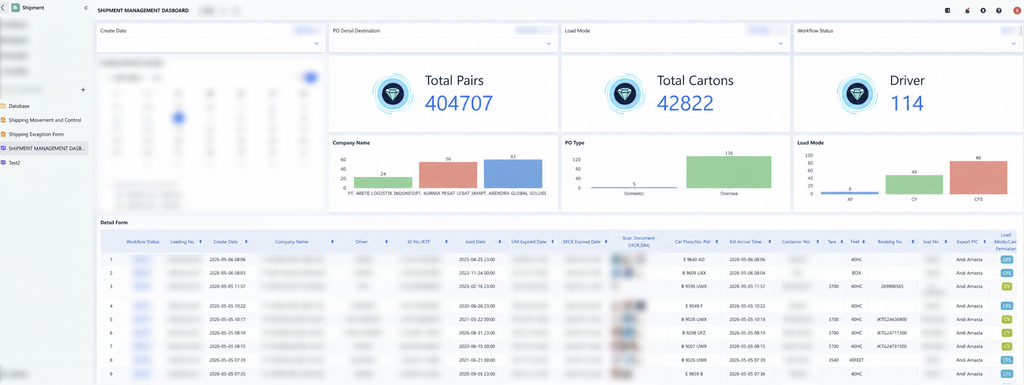
The pilot confirmed the technical fit, and it also clarified an implementation requirement: J2 did not simply need another system; it needed digital work to take root in its daily operations.
J2’s Next Insight: Transformation Must Reach the Front Line
J2 realized that strategy and technology were only the starting point. A workflow becomes part of real operations only when front-line teams can see its value, help shape it, and use it in their daily work.
To involve the people closest to each process, J2 organized an internal app-building contest around the Key User model. The company needed employees who could return to their departments, recognize a problem, clarify a requirement, help build a solution, and bring colleagues with them. Developing Key Users became the first organized step toward that goal.
The program connected proposal collection, Key User training, workflow implementation, and benefit verification. Departments nominated processes that still relied on paper, spreadsheets, manual consolidation, or verbal coordination. J2 retained responsibility for prioritization and screened proposals for feasibility and potential value. Selected Key Users then worked with the IT team, internal transformation leaders, and Jodoo advisors to clarify requirements, configure workflows, test them, and resolve implementation issues.
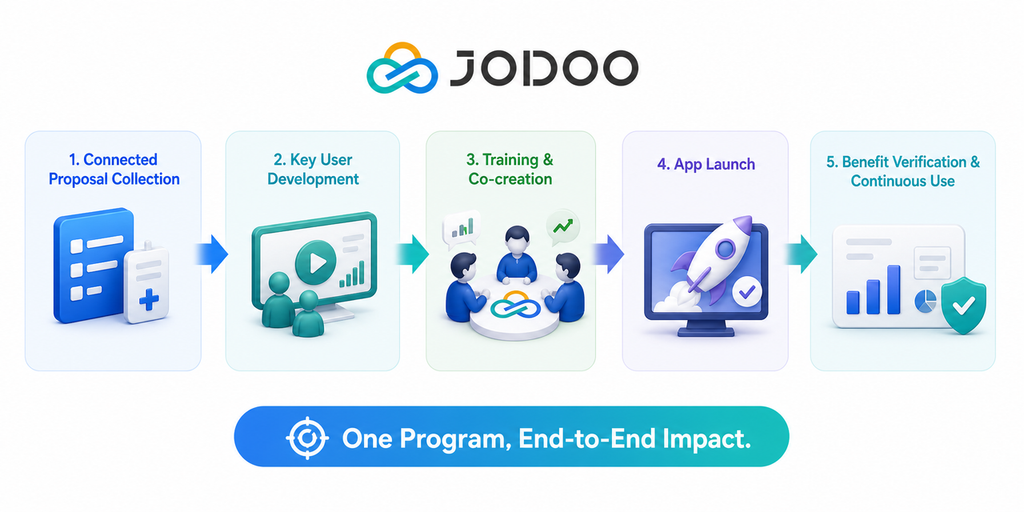
The logic was simple: build Key User capability, move Jodoo into real operations, and use those first workflows as a starting point for broader transformation. Over time, the approach can support lower costs, faster work, stronger workforce productivity, and long-term competitiveness.
J2 also set a demanding definition of success. An app counts as officially used only after it enters a real business process, produces real data, remains in use for at least eight consecutive weeks, and is confirmed by the department leader. The evaluation also considers paper reduction, labor hours, user coverage, governance requirements, and whether the workflow can serve as a reusable reference case.
The contest therefore asks a more meaningful question than “How many apps did we build?” It asks, “Which changes are truly being used, sustained, and verified?“
Nearly 50 Employees, One New Way of Thinking
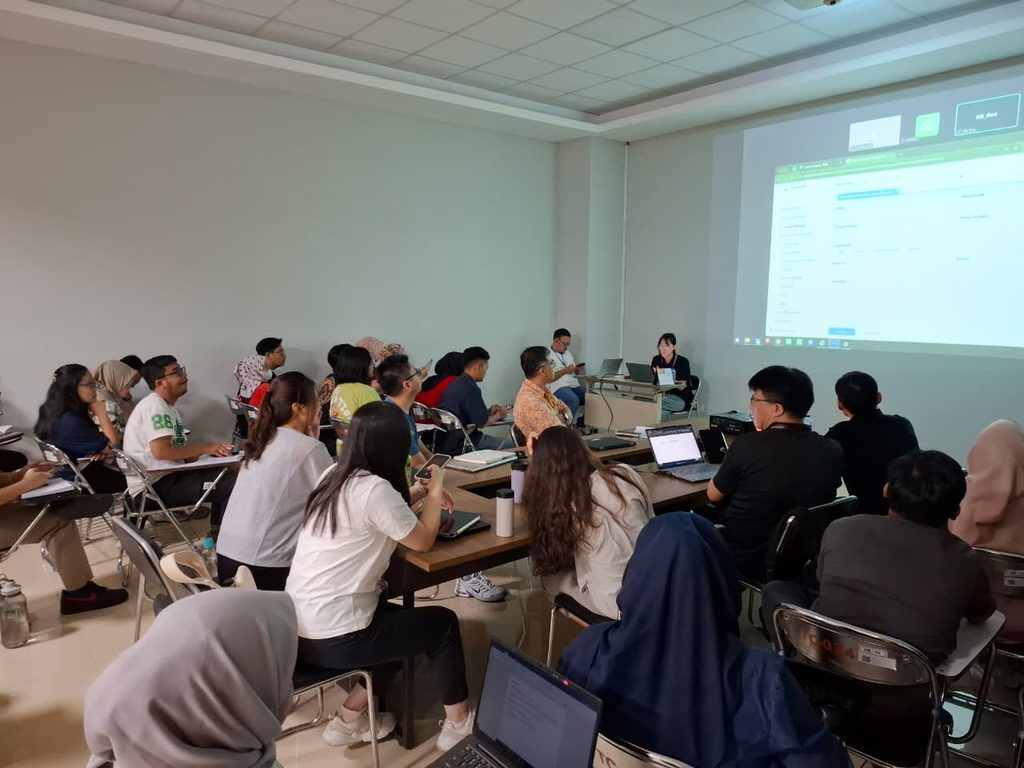
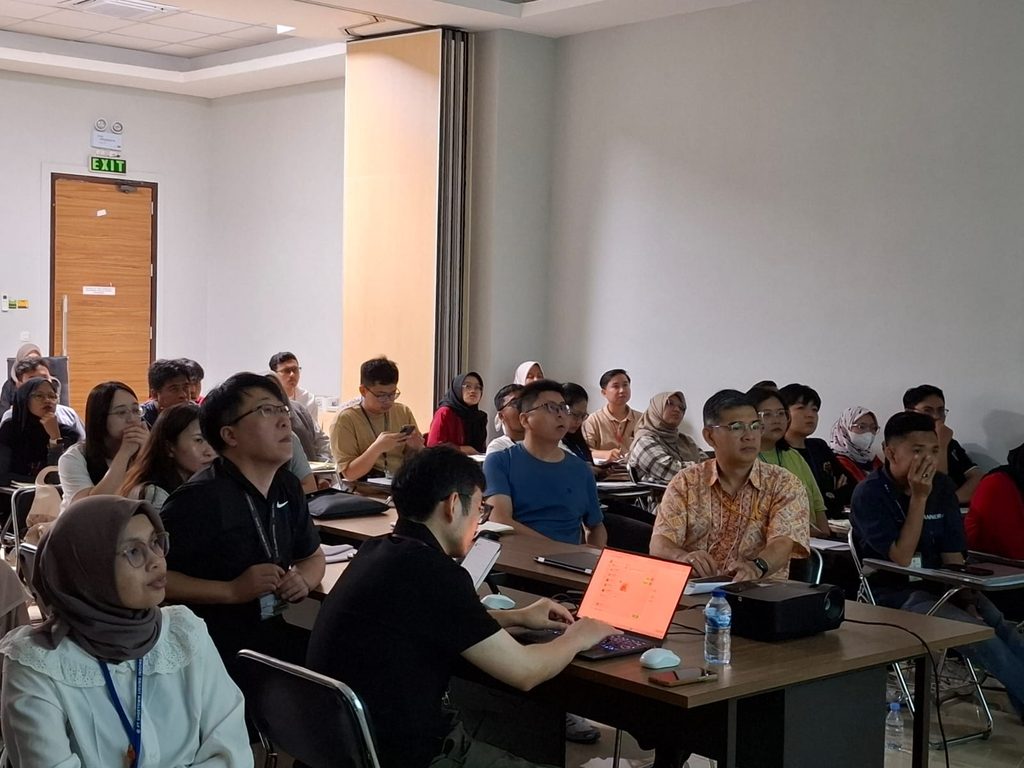
When nearly 50 employees entered the training, they brought questions from their own departments. The challenge was bigger than learning a new interface. Participants had to turn tacit knowledge into something others could follow: a form, an approval route, a data relationship, a permission rule, and a clear user experience.
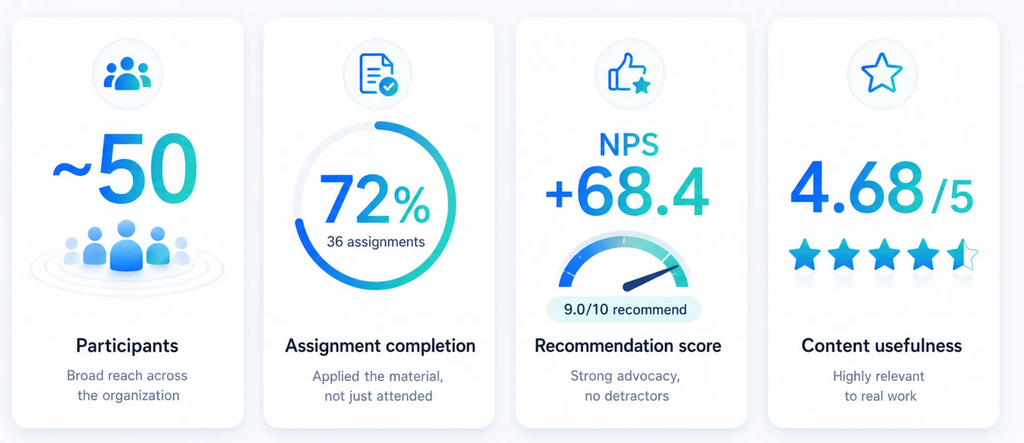
Because the schedule had to fit around factory operations, the program used a compact format and adjusted its pace based on participant feedback. Participants asked for more scenario-based practice, step-by-step exercises, and question time. Their feedback revealed an important lesson: digital capability grows through guided practice, testing, feedback, and repeated use in real business situations.
By the end of the training, 36 employees had submitted assignments. Each assignment represented more than course completion; it was a first attempt to turn a department problem into a workflow that could be built, tested, and improved.

What makes Jodoo different from ordinary systems is that users need to learn how to build things by themselves. I was very happy with this training. Users do understand it because they have to complete assignments. If they can submit the assignments, it shows that they have become much more familiar with Jodoo’s functions. In the future, they will be able to develop things more efficiently and conveniently by themselves.
—— Angela, Shoetown’s CHRO
Angela remained closely involved throughout the training, encouraging employees along the way. The strongest participants began developing their own approaches and sharing their experience with both front-line colleagues and the CHRO.
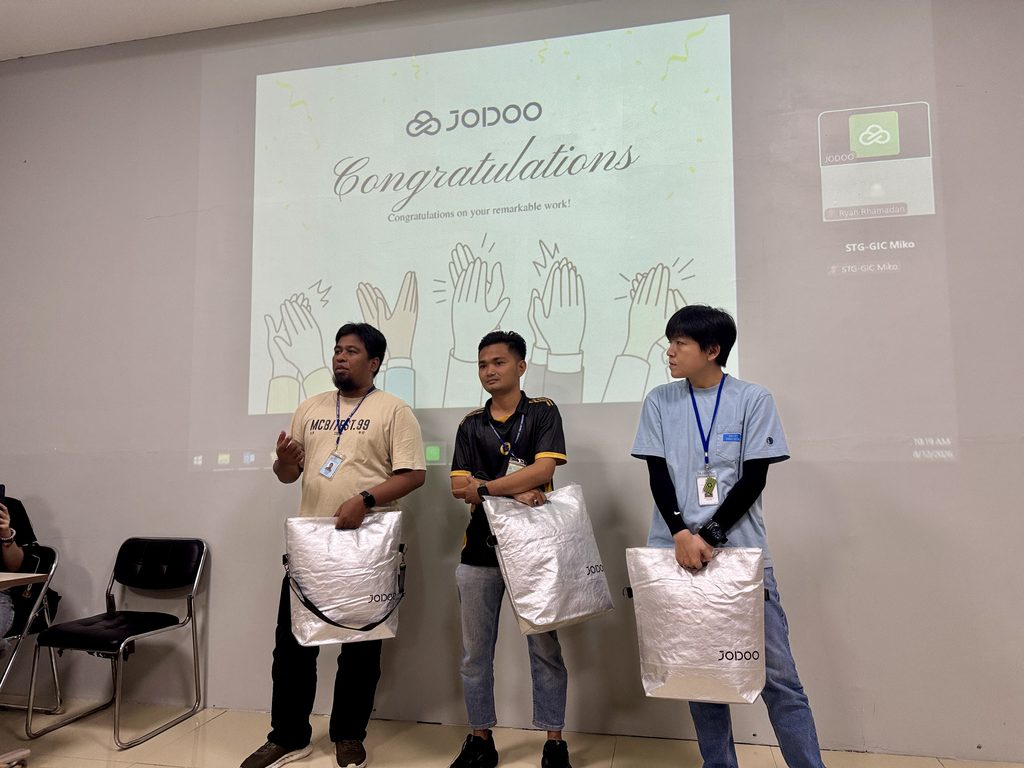
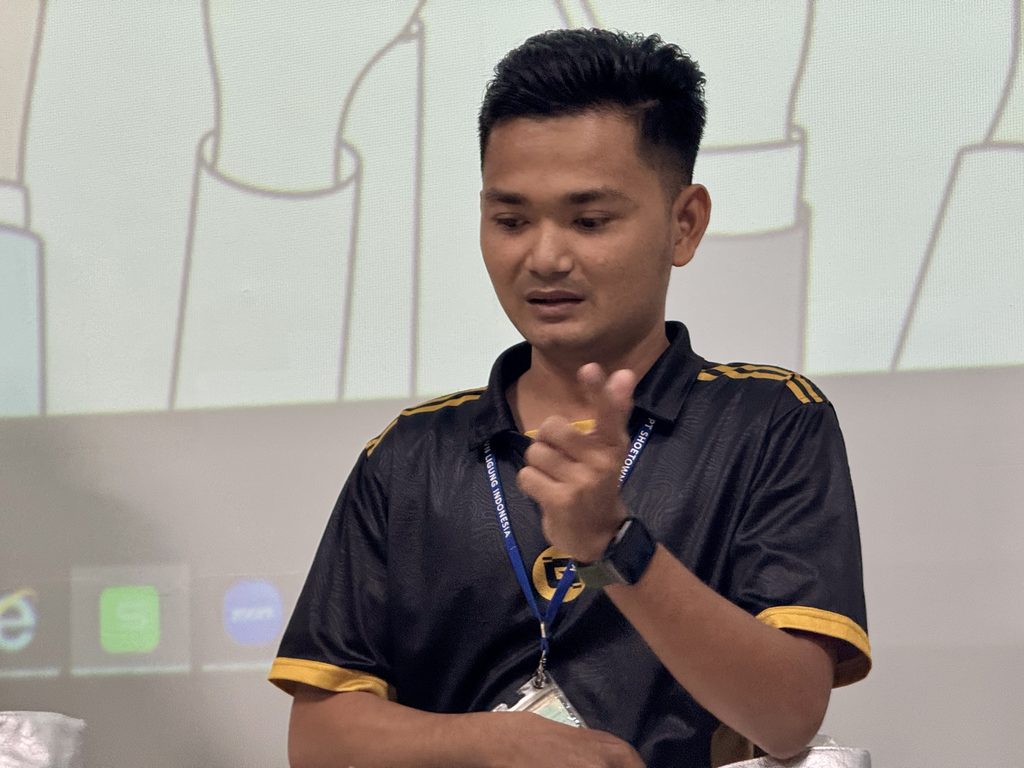
One participant encouraged the group to start from the user’s point of view and define clearly what they wanted to build.
Another participant emphasized understanding the goal, mapping the process, preparing the necessary data, and testing from the perspectives of the builder, the user, and the department leader.
A third participant emphasized persistence: when an early attempt did not work, she kept testing and refining it.
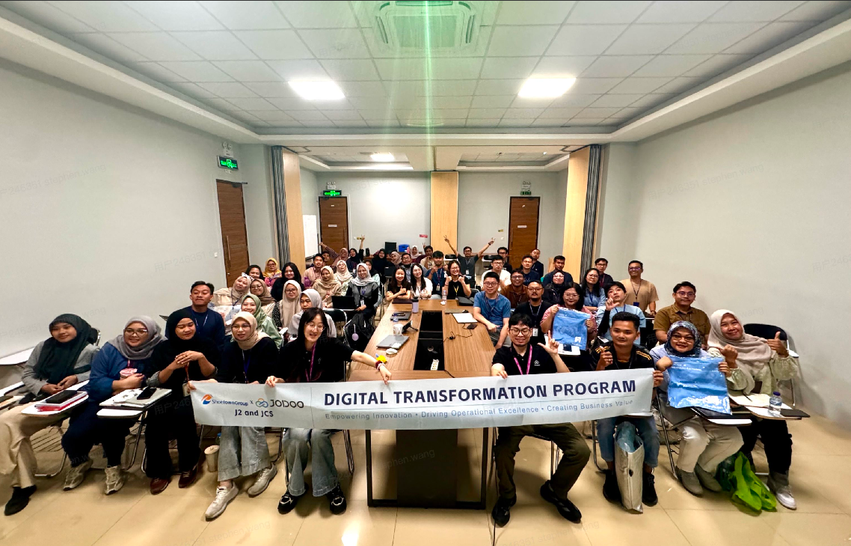
Front-line employees were no longer just participants in digital transformation—they were beginning to explain it to others. In the process, the training also gave them a new opportunity to be recognized by managers for the knowledge and capabilities they had built.
From Training to Three Initial Workflows in Three Days
The real test began after the class ended.
The manager of the Administration Office took primary responsibility for three live proposals. She understood the platform’s basic concepts, but implementation quickly raised operational questions:
- Who needed to see which data?
- Where should each approval go next?
- How should advances and reimbursement records connect?
- Which permissions would protect sensitive information?
- What would make transportation assignments simple for drivers?
Each answer required business discussion, configuration, testing, and another round of refinement.
The manager and Erica (Jodoo Advisor) reviewed each approval step with the business teams, tested permissions role by role, and adjusted the forms based on user feedback.
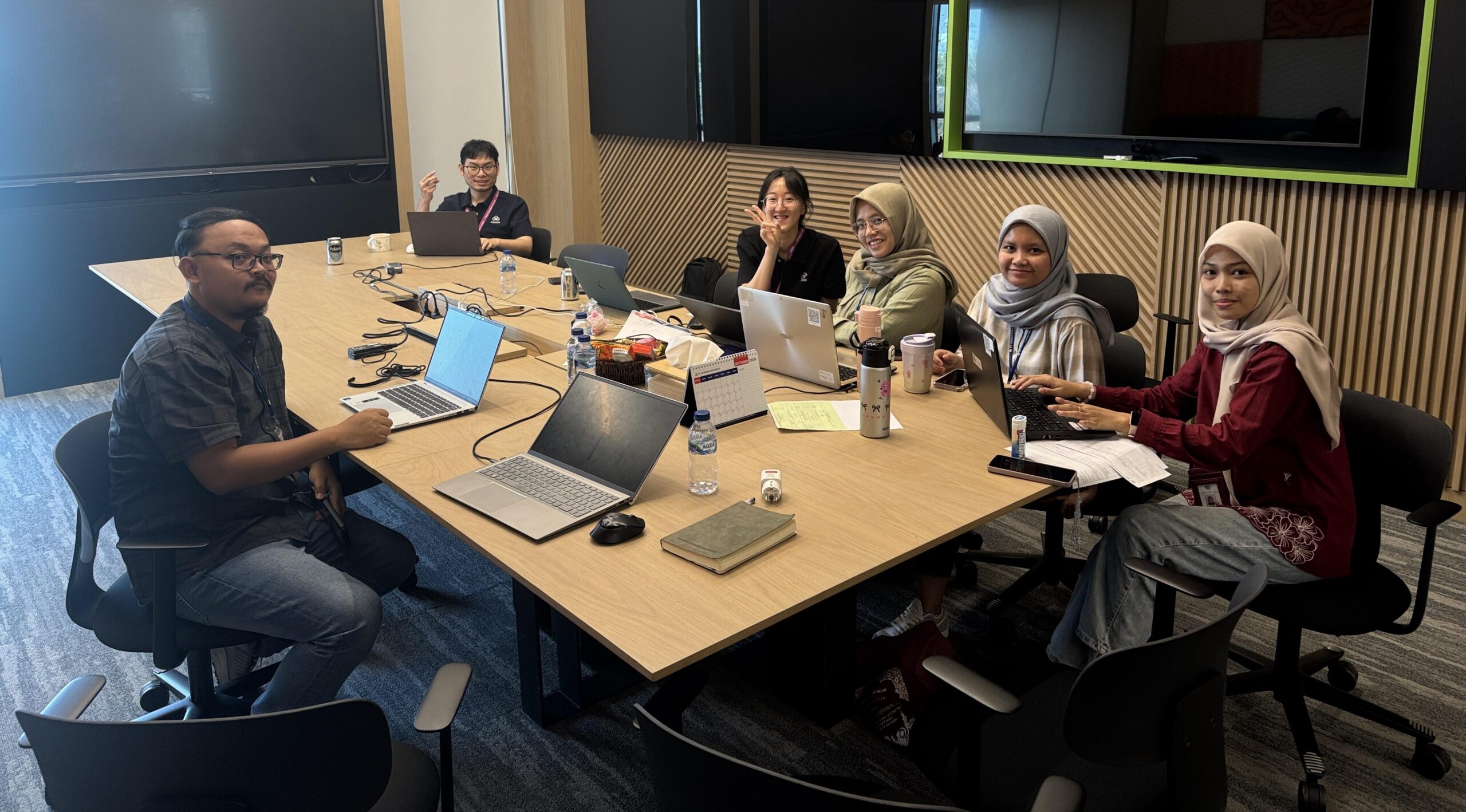
The manager then moved repeatedly between business discussions and app configuration, refining each step until the workflows were ready for use. Within three days, she brought three use cases live: employee cash advances, reimbursement vouchers, and transportation requests.
Making Cash Advances Visible and Traceable
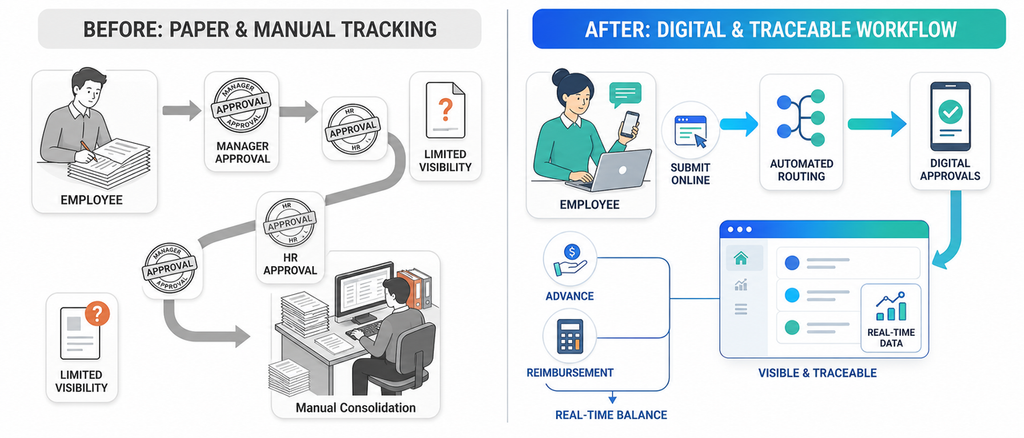
Previously, employees requesting a salary advance or temporary business funds completed a paper form that moved through several approval levels. Status tracking was limited, while Finance manually consolidated data before connecting it to payroll-related processes.
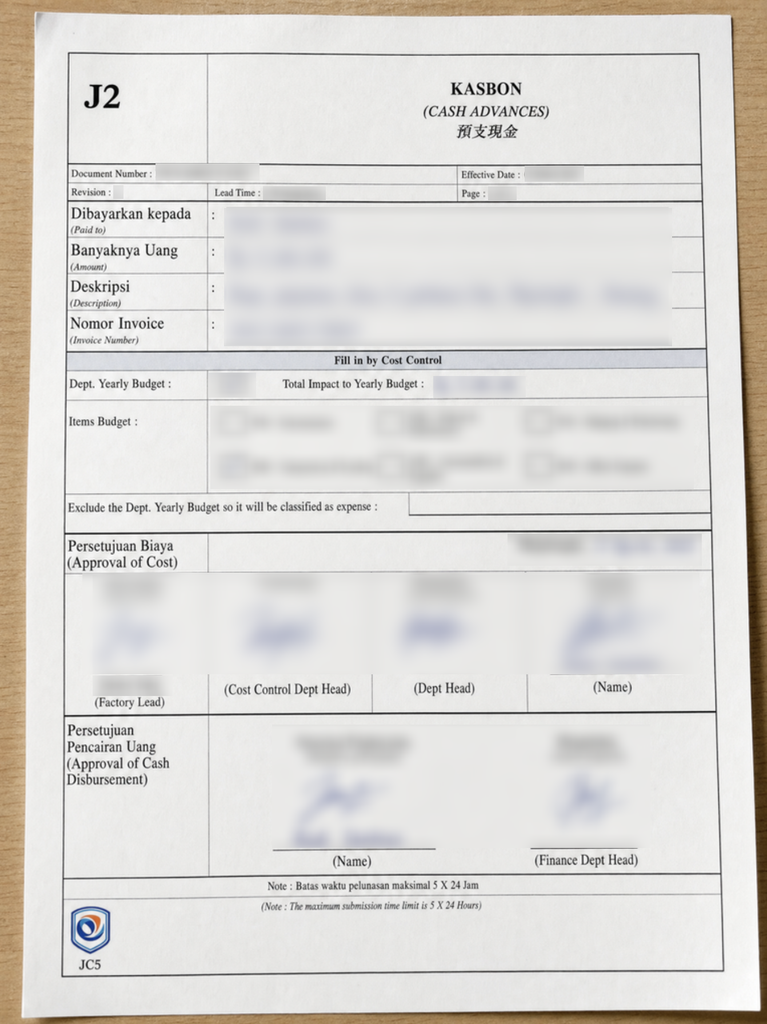
With the new workflow, employees submit requests online, approvals are routed automatically, and completed data is sent to Finance for processing. The process is visible and traceable. The app can also connect the advance with related reimbursement records and calculate the remaining reimbursable balance in real time.
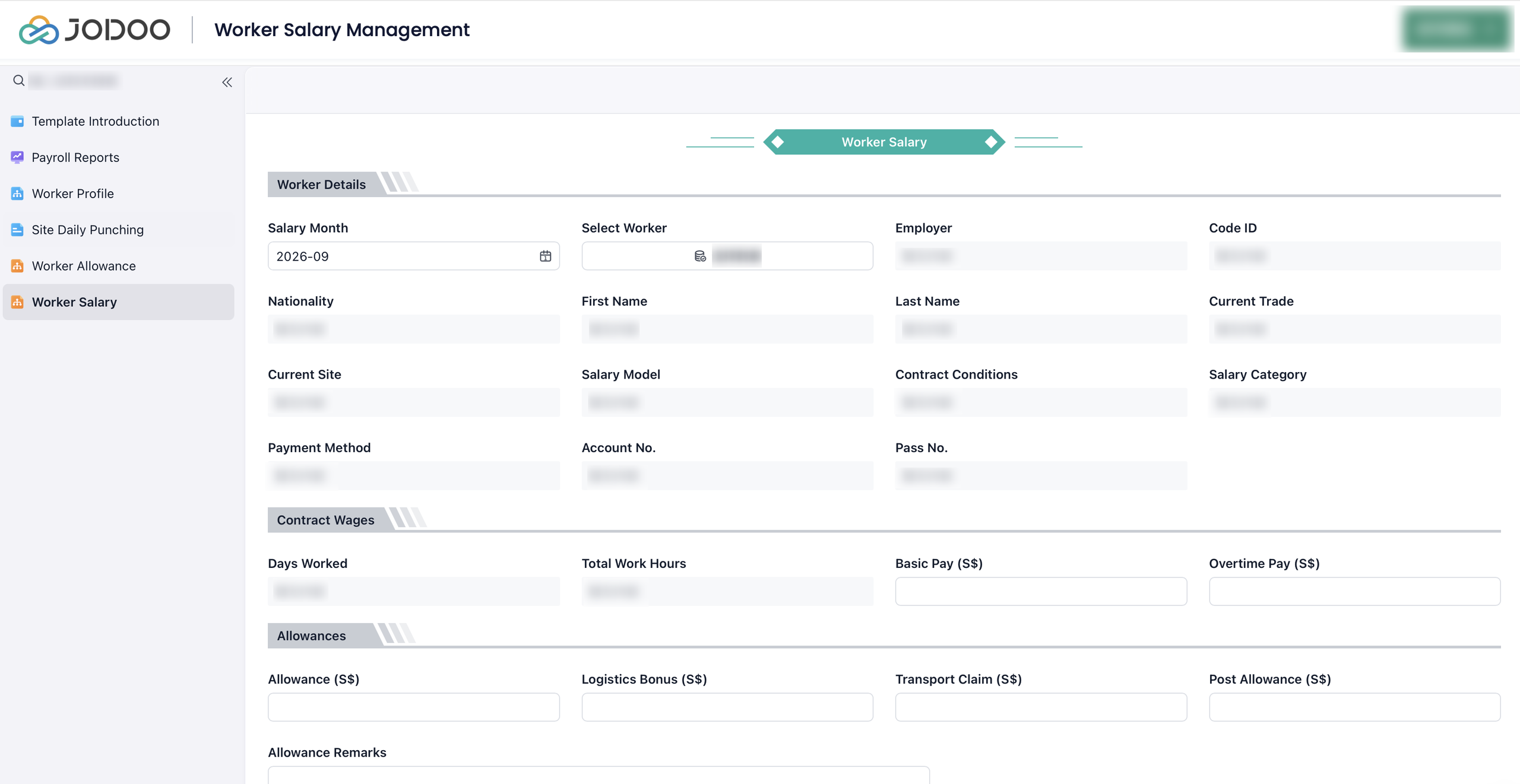
The next step is to explore integration with G3, Shoetown’s core enterprise system, so updates to the group’s core system can become more automated.
Moving Reimbursement Beyond Paper
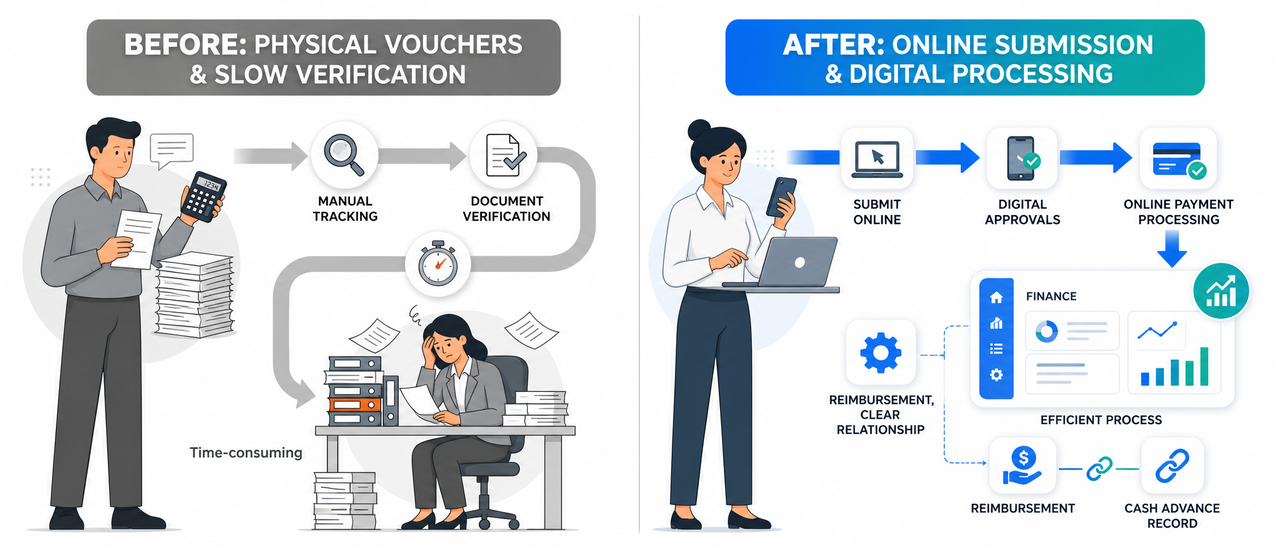
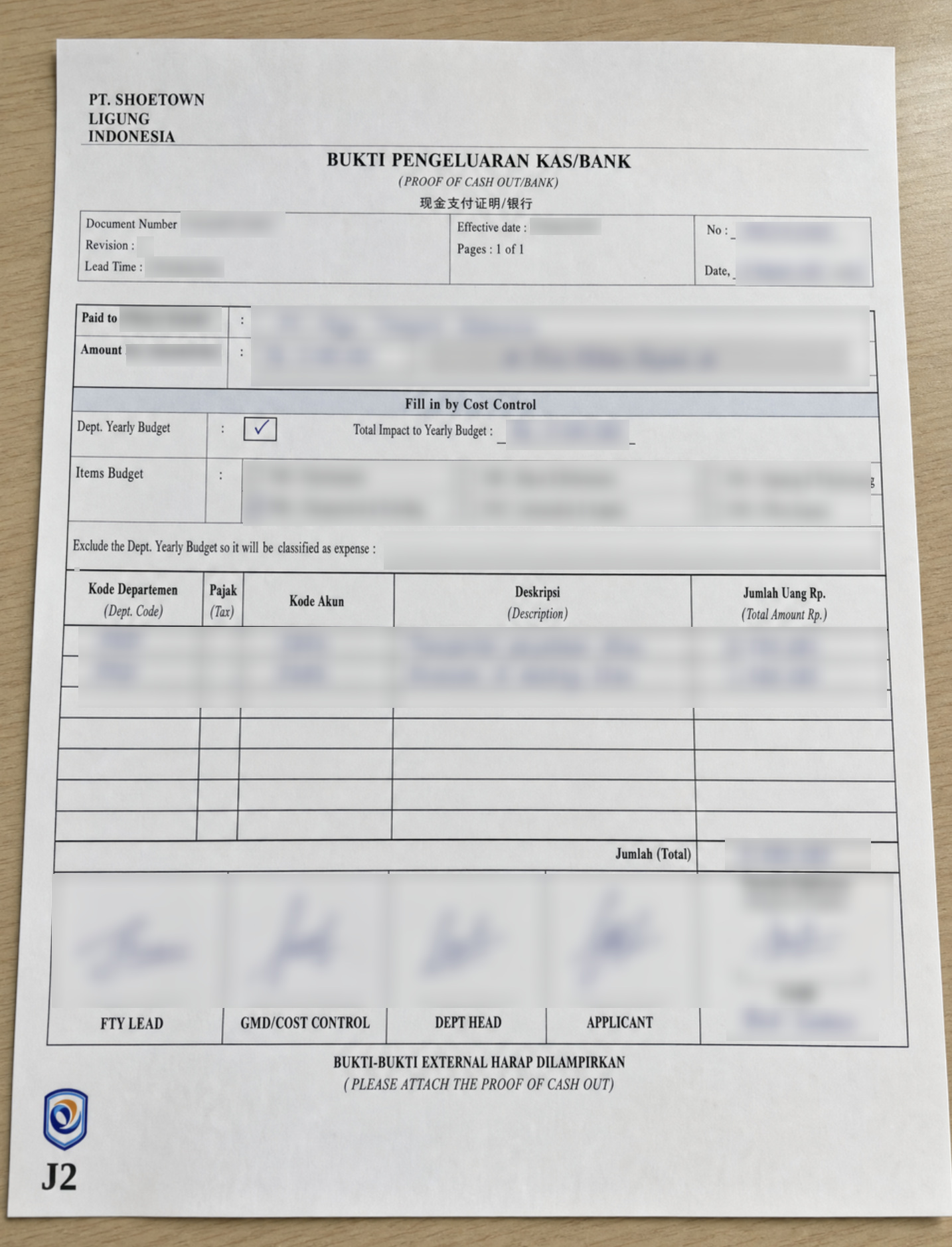
Expense reimbursement depended on physical vouchers, making approval tracking and document verification more time-consuming for employees and Finance.
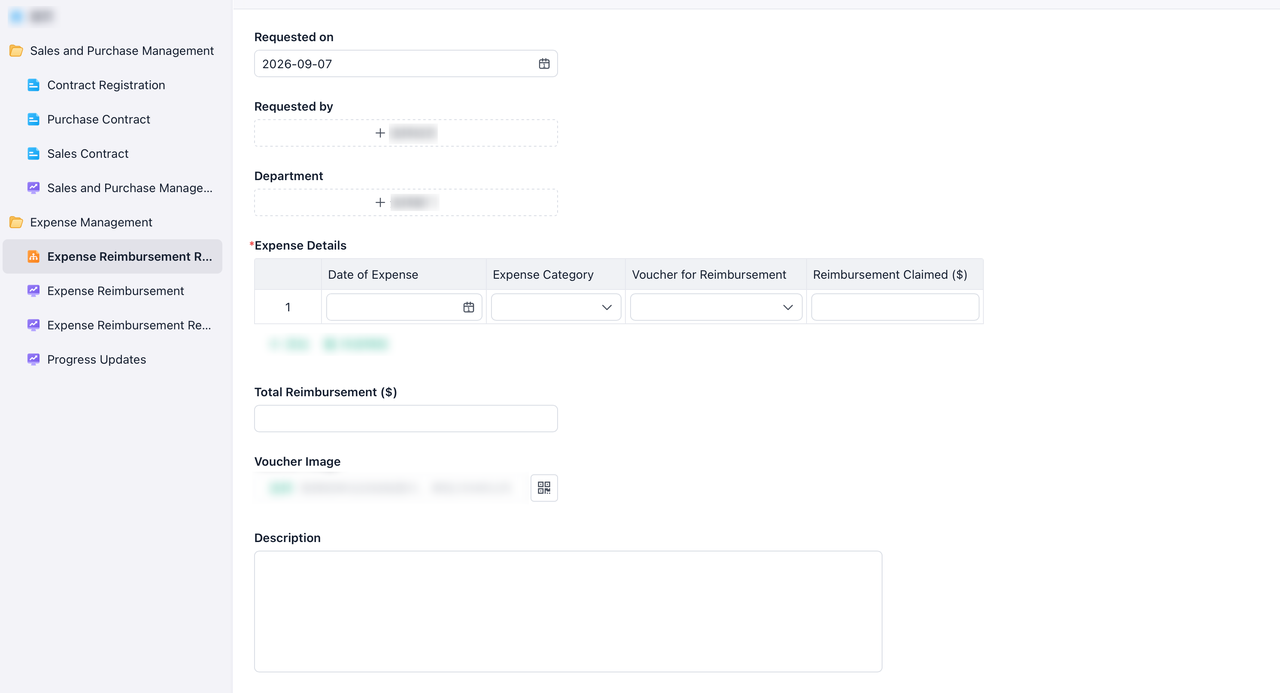
Now employees submit reimbursement requests online and link them to the relevant cash advance record. The app routes approvals, and Finance can review and process payment online. The change reduces paper and makes the relationship between advances and reimbursement clearer.
Digitizing Transportation Requests and Dispatch
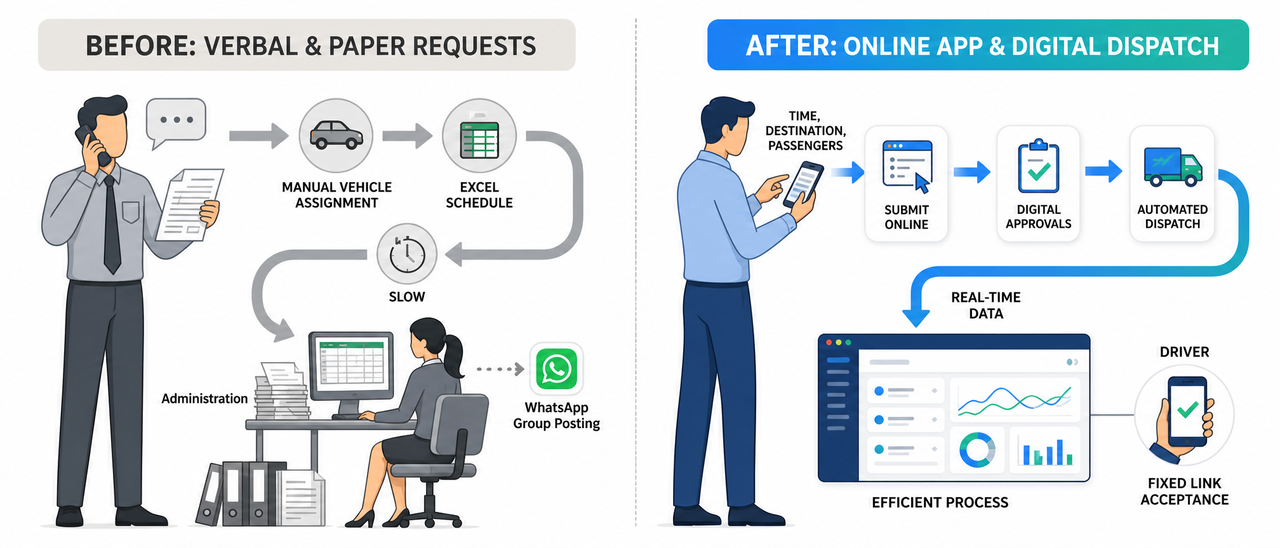
Employees requesting company transportation had previously relied on verbal communication or paper forms. Administration manually assigned vehicles and drivers, consolidated the daily schedule in Excel, and posted it to a WhatsApp group. The process took time and could create outdated information or vehicle conflicts.
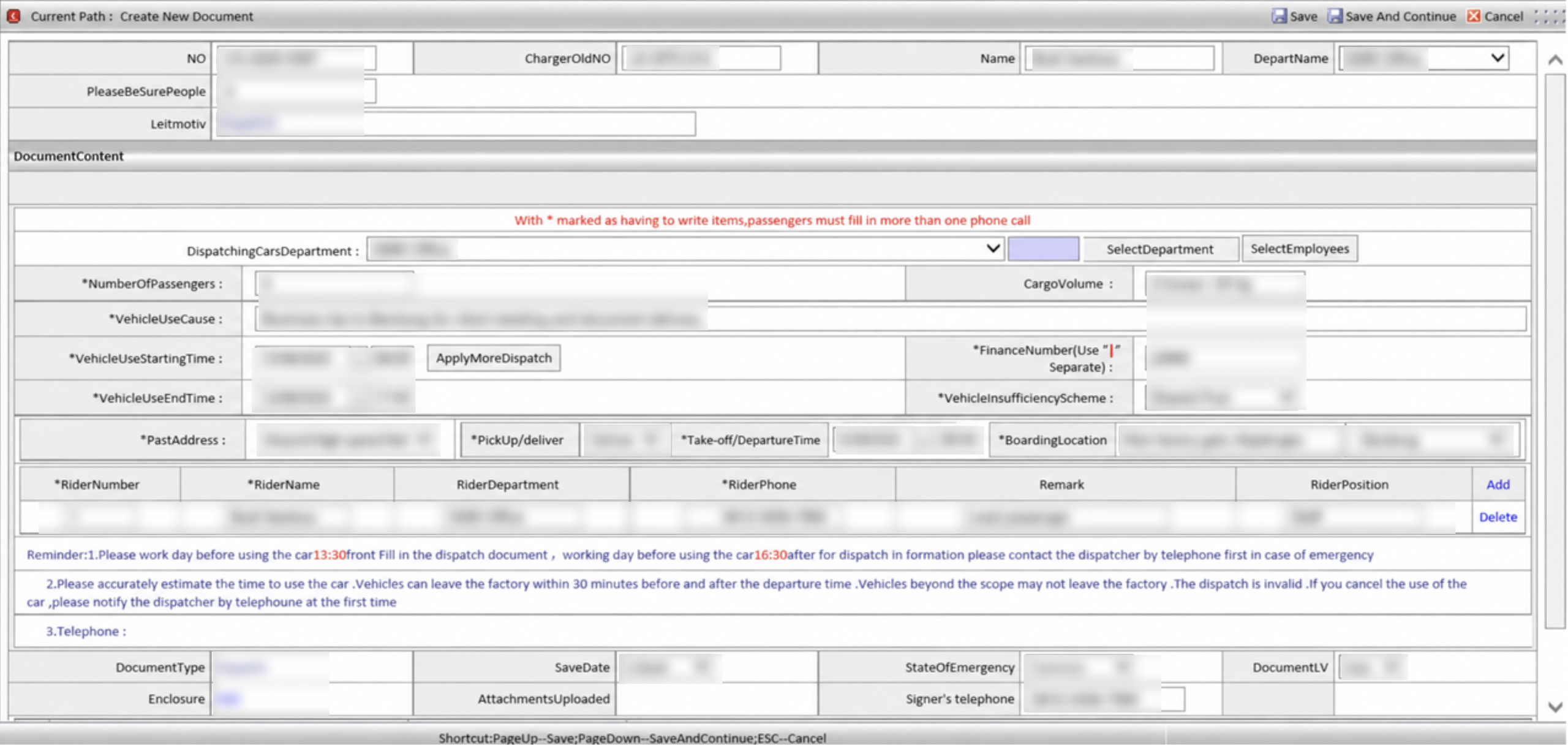
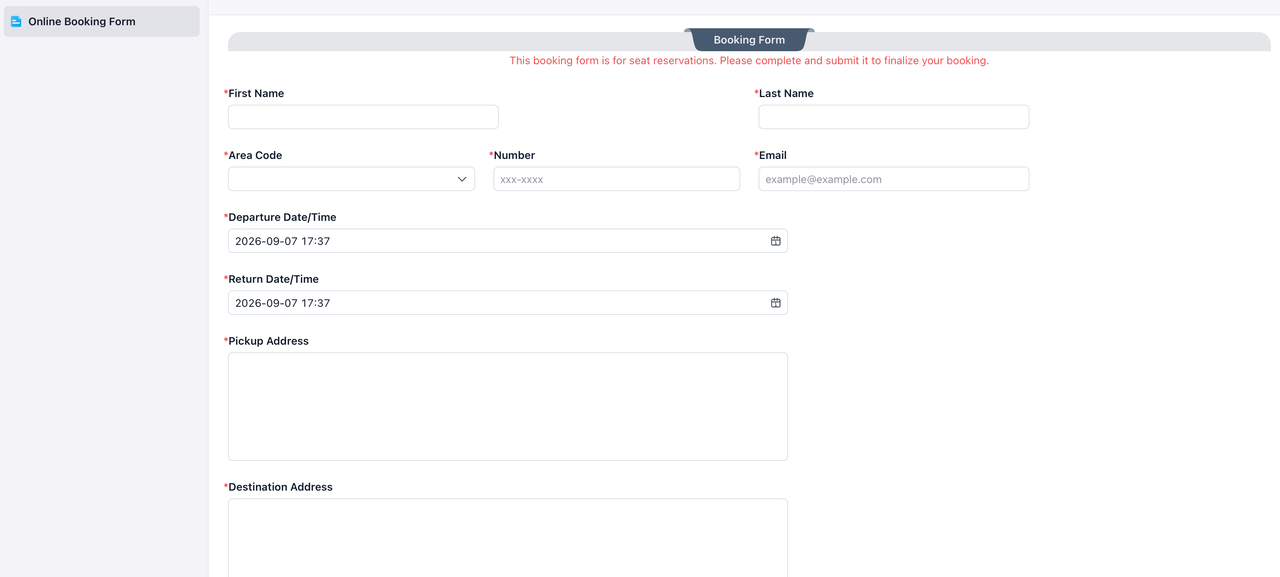
With the new app, employees enter the time, destination, and number of passengers online. Administration approves the request and assigns a vehicle and driver. Drivers use a fixed link to accept and review assignments on their phones, so the administrative team no longer has to push the schedule repeatedly.
The next step is to further enhance driver notifications.
Together, the three workflows connected employees, Finance, Administration, department leaders, and drivers. More importantly, they gave Linda first-hand experience of crossing the gap between “I understand the platform” and “I can use it to solve a real problem.”
The clearest result was not speed alone. With guided support and appropriate governance, someone close to the work could help turn that work into a usable digital process. For J2, that opened a path to improvement beyond a small central team without giving up control.
What J2 Discovered Beyond Efficiency
J2 began with paper reduction, faster work, and workforce productivity. As the training and live workflows progressed, the company began to see a broader return: employees were learning to describe work more clearly, business and IT were developing a shared language, and front-line contribution was becoming more visible to leadership.
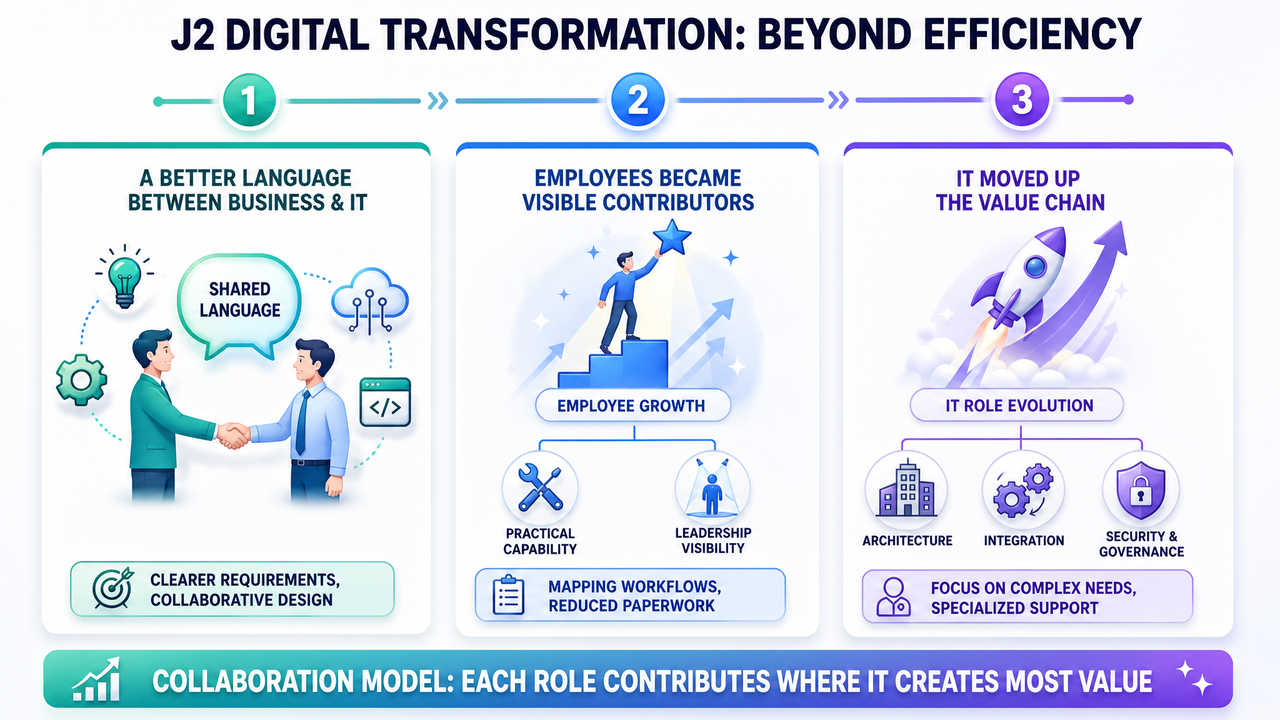
A Better Language Between Business and IT
Business teams were becoming better at articulating digital requirements.
A Group IT leader had seen business requirements arrive incomplete or change repeatedly during development. When business users help shape a workflow, they have to think through the users, data, steps, and desired outcome. Digital transformation was beginning to change not only the tools, but also the quality of conversation between business and IT.
Employees Became Visible Contributors
Another change was the opportunity for employees to grow through the transformation. As employees learned to map workflows, participate in design, and share what they had learned, they gained both practical capability and greater visibility with leadership. As the workflows mature, they may also spend less time completing paper forms, entering the same information repeatedly, or checking a request’s status.
IT Moved Up the Value Chain
As business users took greater ownership of suitable department workflows, IT saw room to focus more attention on architecture, integration, security, data, governance, and complex enterprise needs.
As business users improve their capabilities, IT can gradually invest more energy in architecture, integration, security, and governance. IT’s role can evolve toward specialized support and professional guidance.
—— J2’s IT team leader
That is the collaboration model J2 is beginning to build. Business departments understand and participate more deeply. IT provides specialized guidance and protects the enterprise architecture, integration, security, data, and complex enterprise needs. Leadership gains a more disciplined way to see real adoption and verified value. Digital transformation does not merely move work from one team to another; it helps each role contribute where it creates the most value.
A Model J2 Can Scale
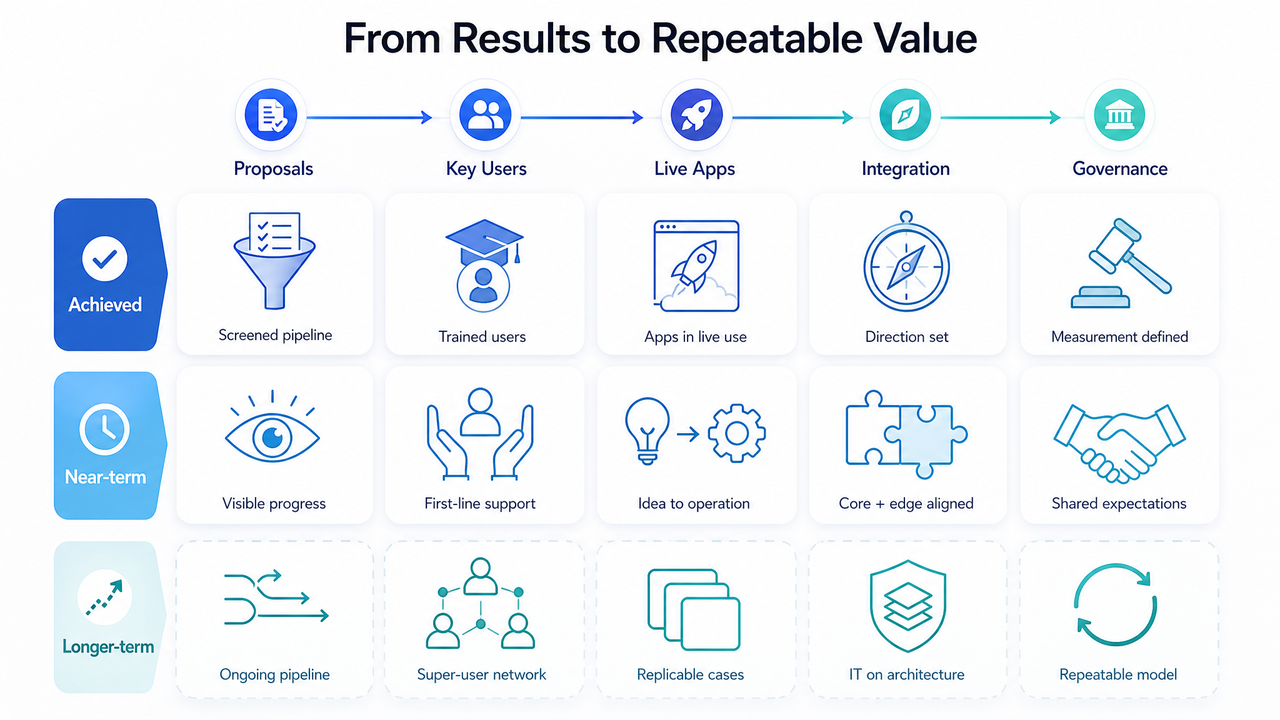
The launch stage established three important foundations: a pipeline for identifying and screening real department problems, a growing Key User community, and early evidence that guided learning could become live workflows.
J2 also clarified an important architectural principle: Jodoo should complement—not replace—the core system. A formal evaluation mechanism will now determine which workflows are sustained, governed, and able to create verified value.
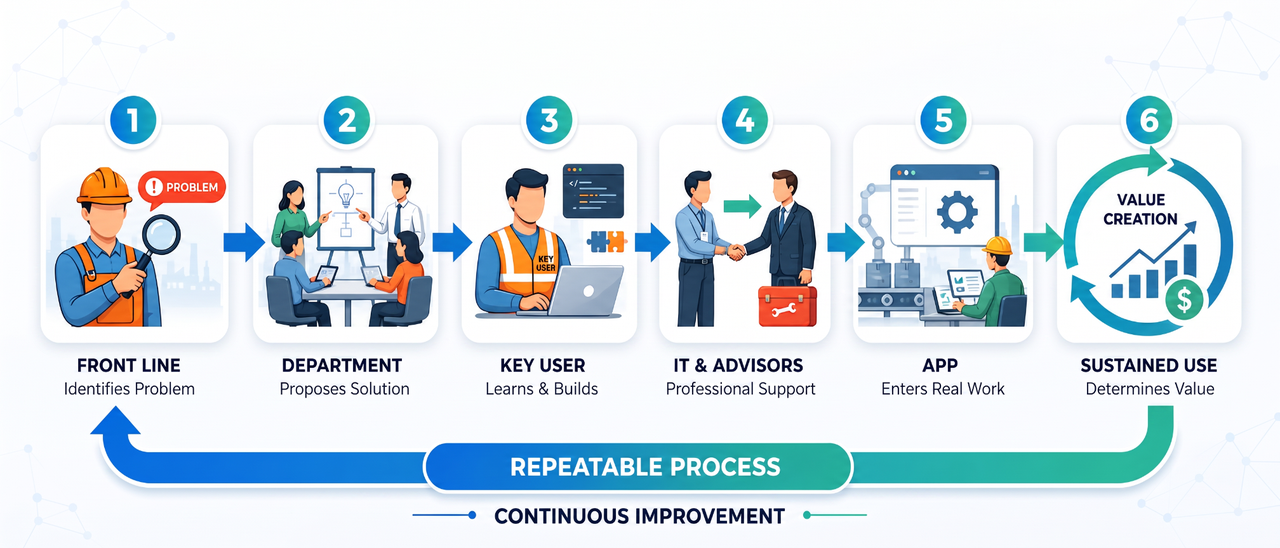
The model is becoming visible: the front line identifies a problem → the department proposes it → a Key User learns and builds → IT and Jodoo advisors provide professional support → the app enters real work, and sustained use determines whether it creates value.
The project is still early. The three workflows must continue operating in real conditions, and any claims about labor hours, paper reduction, coverage, or financial benefits will require at least eight weeks of use and formal review. But J2 has crossed a meaningful threshold: digital transformation has begun moving from an executive objective into work that employees can see, shape, and use.
From a Factory Contest to an Enterprise Capability
J2’s immediate priority is to help more Key Users bring proposals live, improve the workflows through real use, recognize strong practices, and bring the first contest cycle to a successful close.
The next ambition is to carry the method developed at J2 into JCS and, where verified evidence supports it, into other departments and factories. The goal is not to copy three fixed workflows. It is to reproduce a way of working: find the right problem, develop Key Users, guide implementation, verify sustained value, and govern what is built.
Over time, J2 wants digital transformation to become part of how Shoetown improves: front-line employees identify opportunities, business teams articulate needs more clearly, IT focuses on higher-value work, leaders evaluate results with real evidence, and effective practices travel across factories.
That is what makes J2’s story significant. A 15,000-employee factory is not treating digital transformation as a software purchase. It is building a shared operating capability—owned by the business, protected by IT, supported by Jodoo, and measured by leadership.
Explore how Jodoo can help digitize the workflows your core systems do not cover.
[Request a Demo of Jodoo]